Osteoporosis Risk Screening

Package price
£259
All-inclusive
Pay at clinic
Bone metabolism and osteoporosis risk assessment including vitamin D and bone turnover markers, at our City of London clinic.
Osteoporosis Risk Screening
All-inclusive price
- Blood draw by registered nurse
- Comprehensive lab analysis
- Detailed results report
- Detailed nurse-written review
- Follow-up recommendations
Or call 020 7183 3709
Pay at the clinic on the day of your appointment
About This Screening
Osteoporosis Risk Screening
Osteoporosis is a progressive skeletal condition characterised by reduced bone mineral density and deterioration of bone microarchitecture, leading to increased fracture susceptibility. An estimated 3.5 million people in the UK have osteoporosis, with approximately 500,000 fragility fractures occurring annually. The condition develops silently over years and is frequently undiagnosed until a fracture occurs.
This screening panel measures serum biomarkers associated with bone metabolism, including calcium, phosphate, alkaline phosphatase, albumin, vitamin D (25-hydroxyvitamin D), and Crosslaps (a bone resorption marker). Together, these markers provide information about calcium balance, bone turnover rate, and the metabolic factors that influence bone mineralisation.
Key Highlights
- Assess vitamin D status (essential for calcium absorption)
- Evaluate calcium and phosphate balance
- Measure bone resorption with Crosslaps marker
- Identify deficiencies affecting bone mineralisation
- Results typically available within 4 working days
Vitamin D is essential for intestinal calcium absorption and plays a central role in bone health. Deficiency is highly prevalent in the UK due to limited sunlight exposure, particularly during autumn and winter months. Without adequate vitamin D, calcium absorption is impaired regardless of dietary intake, which can accelerate bone loss. Vitamin D deficiency is readily correctable with appropriate supplementation.
Crosslaps (serum CTx) is a bone resorption marker that reflects the rate of bone breakdown. Elevated levels indicate accelerated bone resorption, which, if sustained, leads to progressive bone density loss. This marker can also be used to monitor the effectiveness of anti-resorptive treatment in patients already receiving therapy for osteoporosis.
This screening is particularly relevant for post-menopausal women, men over 70, individuals with a family history of osteoporosis, those taking long-term corticosteroids, and anyone who has sustained a fracture from minimal trauma. It is important to note that this blood panel assesses factors affecting bone metabolism — it does not directly measure bone mineral density. DEXA scanning provides complementary information and may be indicated based on results.
What's Included
Comprehensive testing covering all essential biomarkers for a complete health picture.
Bone Health
- Alkaline Phosphatase
- Calcium
- Albumin
- Phosphate
- Crosslaps (Serum DPD)
- Vitamin D (25-OH)
Bone Health Assessment
Osteoporosis causes progressive reduction in bone mineral density, leading to fragility fractures from minimal trauma. It develops asymptomatically over years until fracture occurs. This panel assesses key factors affecting bone metabolism, assisting in risk identification before clinical sequelae develop.
Assess vitamin D status (essential for calcium absorption)
Evaluate calcium and phosphate balance
Measure bone resorption with Crosslaps marker
Identify deficiencies affecting bone mineralisation
Results typically available within 4 working days
Inform supplementation and lifestyle modification
Who Should Take This Test?
Post-Menopausal Women
Oestrogen withdrawal accelerates bone loss. Screening is particularly indicated in the post-menopausal period.
Men Over 70
While less prevalent than in women, male osteoporosis occurs, particularly in older age groups.
Established Risk Factors
Family history, low body mass index, smoking, excessive alcohol, prolonged corticosteroid use, or malabsorptive conditions increase risk.
Previous Fragility Fracture
A fracture from minimal trauma may indicate existing osteoporosis requiring investigation and management.
How to Prepare for Your Health Screening
Follow these steps before your appointment for the most accurate results.
Fasting is not strictly required, though we recommend avoiding calcium supplements for 24 hours before testing.
Continue taking prescribed medications unless specifically advised otherwise.
No special dietary preparation is needed.
Inform our team if you are currently taking osteoporosis medication (e.g. bisphosphonates), as this may affect bone marker interpretation.
Allow approximately 10–15 minutes for your appointment.
Ready to Take Control of Your Health?
Book your Osteoporosis Risk Screening today and get comprehensive insights into your health. Results available in 4 working days.
Frequently Asked Questions
Explore More Screenings
You Might Also Be Interested In
Patient Reviews
We're proud to care for professionals and families across the City. Read what patients say about us on Google — or share your own experience.
Providing exceptional dental and medical care to the City of London community — 2 minutes from St Paul's station.
Meet Our Medical Team
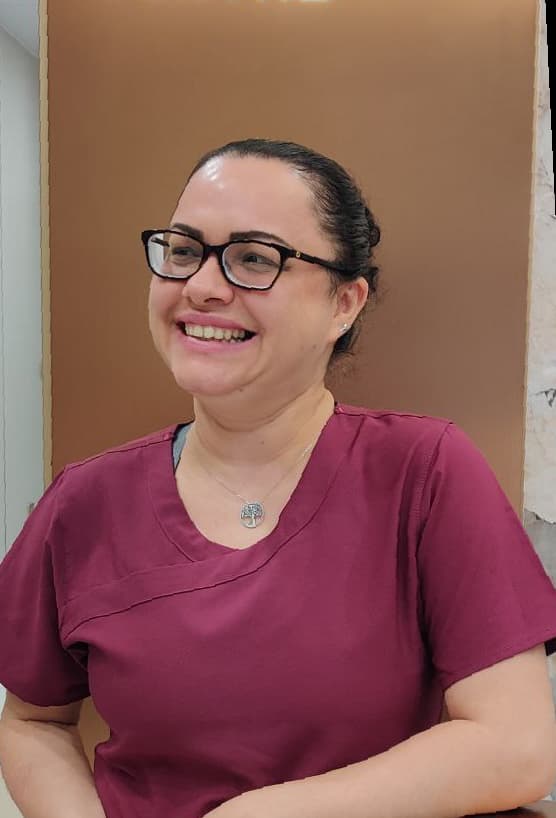
Our experienced medical team is fully qualified and registered with the GMC and NMC, delivering safe, high-quality care in line with the highest professional standards.
Because our patients deserve nothing less.


Registered. Regulated. Trusted.
At St Paul's Medical & Dental, we are registered with the Care Quality Commission (CQC) as Medical and Dental Limited (Provider ID: 1-29171948282), and our clinicians are registered with the relevant UK regulatory bodies, including the GDC and GMC. Our dentists, dental nurses and medical professionals deliver care that meets the highest clinical, safety and ethical standards, because our patients deserve nothing less.




Visit us at St Paul's
Health screening beside St Paul’s Cathedral — 2 minutes from St Paul’s tube and a short walk from Bank, Blackfriars and Barbican. Early appointments from 8am.
5 Ave Maria Lane, The City of London, EC4M 7AQ

We Accept All Major Dental Insurances
Use your workplace or personal dental cover with us. We provide itemised receipts and completed claim forms for all major UK insurers — including AXA Health, Aviva, Bupa, Cigna, Vitality, Westfield Health, WPA, Unum, and Boots Dental Plan.









You pay for treatment at the clinic and claim reimbursement from your insurer. Cover levels vary by policy — check your plan details. All insurer names and trademarks belong to their respective owners.