Dental Abscess Treatment London
Swelling and fever signal a serious infection. We provide antibiotic treatment and drainage to help stop the spread. Emergency exam from £30 for new patients (£95 standard, £47.50 for members).
X-rays £20 (£10 members) if clinically needed. Written treatment plan before any work begins.
Emergency Abscess Exam
New Patient Offer
£30
emergency exam
Usually £95
Standard Emergency Exam
£95
Member Emergency Exam
SPMD members save 50%
£47.50
Emergency exam includes:
- Full examination & diagnosis
- Assessment of infection severity
- Drainage where clinically indicated
- Antibiotics if clinically appropriate
- Written treatment plan with costs
Understanding dental abscesses
A dental abscess is a pocket of pus caused by a bacterial infection in or around a tooth. It is one of the most urgent dental conditions because the infection can spread to surrounding tissues, the jaw, and in severe cases to the neck and chest. A dental abscess will not resolve on its own and always requires professional dental treatment.
Types of dental abscess
- Periapical abscess — forms at the tip of the tooth root. Most commonly caused by untreated dental decay, a dead nerve, or failed previous treatment
- Periodontal abscess — forms in the gum tissue, usually associated with gum disease. Can also develop when food debris becomes trapped between the tooth and gum
- Pericoronal abscess — forms around a partially erupted tooth, most commonly a wisdom tooth
Symptoms and warning signs
Seek urgent dental care if you experience any of the following:
- Severe, throbbing pain that may radiate to the jaw, ear, or neck
- Swelling in the face, cheek, or under the jaw
- Red, tender, swollen gum — possibly with a visible “pimple” on the gum
- Bad taste in the mouth or foul-smelling discharge
- Fever, malaise, or general feeling of being unwell
- Difficulty opening the mouth, swallowing, or breathing (seek A&E immediately)
How we treat dental abscesses
Treatment depends on the type, location, and severity of the abscess:
- Incision and drainage — the abscess is opened to release pus and reduce pressure. This provides rapid pain relief
- Root canal treatment — the infected nerve is removed, the canals cleaned and sealed. This saves the tooth (from £347.50 for members)
- Extraction — if the tooth cannot be saved, extraction removes the source of infection (from £125 for members)
- Antibiotics — prescribed where the infection is spreading or the patient is systemically unwell. Antibiotics are an adjunct to dental treatment, not a substitute
Risks and important information
Dental abscess treatment carries risks including: pain and swelling after drainage (usually temporary), the possibility that treatment may not fully resolve the infection (requiring further intervention), the risk of nerve damage during extraction (particularly lower wisdom teeth), and the potential need for additional treatment such as a crown after root canal. Your dentist will discuss all risks and obtain informed consent before proceeding.
When to go to A&E: If you experience difficulty breathing, difficulty swallowing, swelling spreading to the eye or neck, high fever, or feel severely unwell, attend your nearest hospital emergency department immediately. These may indicate a spreading infection requiring urgent medical intervention.
Why antibiotics alone are not enough
A common misconception is that antibiotics can cure a dental abscess. While antibiotics can help control the spread of infection and are sometimes necessary, they cannot remove the source of infection (the dead or infected tissue inside the tooth or gum). Without definitive dental treatment, the infection will typically return once the antibiotic course is completed. This is why the GDC and NHS guidelines emphasise that dental treatment — not antibiotics alone — is required for dental abscesses.
Abscess treatment costs
Costs depend on the treatment required after assessment:
Starting prices. Final cost depends on assessment. SPMD members save 50%. Full fee schedule.
Our Emergency Dentists
GDC-registered dentists. Verify on the GDC register.
Dr Yasha Y Shirazi
Principal Dentist & Clinical Director
GDC No: 195843
Dr Kamran Yazdi
Dentist — MSc Conservative Dentistry, UCL Eastman
GDC No: 197926
Dr Andreia Phipps
Dentist — Cosmetic & General Practice
GDC No: 229601
Dr Narges Ameri
Dentist — Implant & Restorative Dentistry
GDC No: 214396
Dr Reza Davari
Dentist — London Gold Medal Recipient
GDC No: 302422
GDC Standards
All dentists are GDC-registered and follow GDC Standards for the Dental Team.
CQC Compliance
Clinic is CQC registered and operates to CQC fundamental standards for safety and care.
ASA / CAP Advertising
All pricing is accurate, verifiable, and ASA/CAP compliant.
Dental Abscess FAQs
How much does dental abscess treatment cost?
The emergency exam is £95 (£47.50 for members, £30 for new patients). X-rays cost £20 (£10 for members) if needed. Treatment costs depend on the approach: drainage may be included in the exam appointment, root canal treatment starts from £347.50 (members), and extraction from £125 (members). You receive a written treatment plan with exact costs before any treatment.
What is a dental abscess?
A dental abscess is a collection of pus caused by a bacterial infection. A periapical abscess forms at the tip of the tooth root, usually caused by untreated decay or a dead nerve. A periodontal abscess forms in the gum tissue. Both types cause pain, swelling, and can spread if untreated. A dental abscess will not resolve without professional treatment.
Is a dental abscess a medical emergency?
A dental abscess requires prompt professional care. While most can be managed in a dental setting, seek immediate medical attention (A&E) if you experience: difficulty breathing or swallowing, high fever, swelling spreading to the eye or neck, or inability to open your mouth. These may indicate a spreading infection requiring hospital care.
Can antibiotics cure a dental abscess?
Antibiotics alone cannot cure a dental abscess. They may help control the spread of infection but do not remove the source. Definitive treatment — such as root canal treatment, drainage, or extraction — is essential. Antibiotics are prescribed where clinically indicated as an adjunct to dental treatment, not as a substitute.
How is a dental abscess treated?
Treatment depends on the type and severity: incision and drainage to release pus and reduce pressure, root canal treatment to remove the infected nerve and save the tooth, extraction if the tooth cannot be saved, and antibiotics if the infection is spreading. Your dentist will explain all options and obtain informed consent before treatment.
Can I be seen the same day for an abscess?
Same-day emergency appointments may be available, subject to clinician availability. We prioritise patients with infections and swelling. Call 020 7183 3709 or book online for the earliest available slot.
What are the signs of a dental abscess?
Common signs include: throbbing pain that may radiate to the jaw, ear, or neck; swelling in the face, cheek, or gum; redness and tenderness in the gum; a bad taste in the mouth (if the abscess drains); fever; sensitivity to hot and cold; difficulty chewing or opening the mouth. Not all symptoms are present in every case.
Can a dental abscess come back?
Yes, if the underlying cause is not fully addressed. A tooth that has been drained but not definitively treated (with root canal or extraction) may re-infect. Maintaining good oral hygiene, attending regular check-ups, and completing recommended treatment reduces the risk of recurrence.
What happens if I ignore a dental abscess?
An untreated abscess can lead to serious complications: the infection can spread to the jaw, head, or neck; a condition called Ludwig's angina (infection of the floor of the mouth) can compromise the airway; in rare cases, sepsis (blood poisoning) can develop. A dental abscess should always be treated promptly.
Where is your dental abscess clinic?
Our clinic is at 5 Ave Maria Lane, The City of London, EC4M 7AQ — walking distance from St Paul's, Blackfriars, Bank, and Barbican stations. Open Monday to Thursday 8am–6pm, Friday 8am–5pm. Call 020 7183 3709.
Dental Abscess? Act Now
5 Ave Maria Lane, The City of London, EC4M 7AQ · Mon–Thu 8am–6pm · Fri 8am–5pm
Emergency exam from £30 (new patients). All treatment requires informed consent. Prices valid April 2026.
Explore More Treatments
You Might Also Be Interested In
Patient Reviews
We're proud to care for professionals and families across the City. Read what patients say about us on Google — or share your own experience.
Providing exceptional dental and medical care to the City of London community — 2 minutes from St Paul's station.
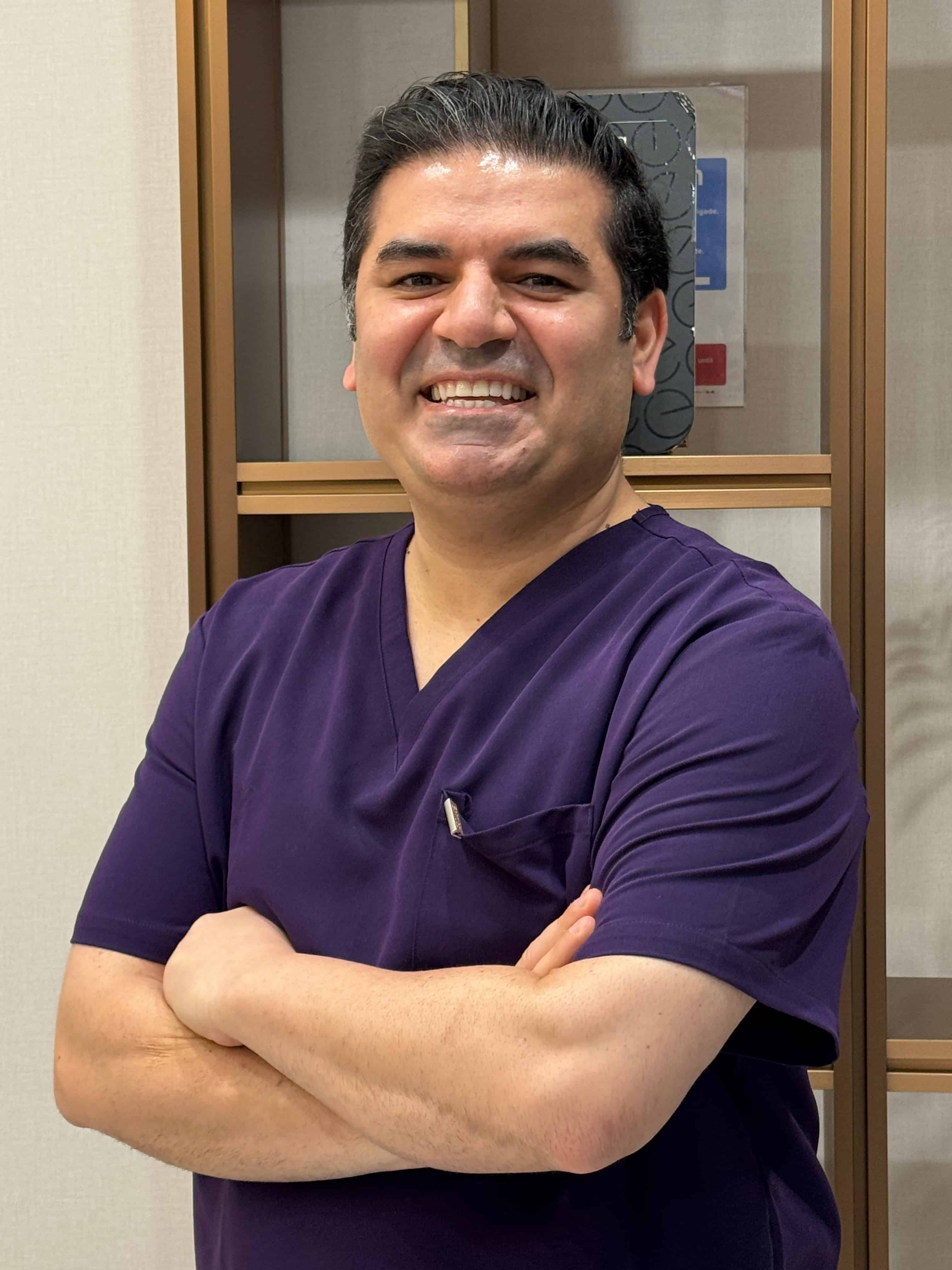
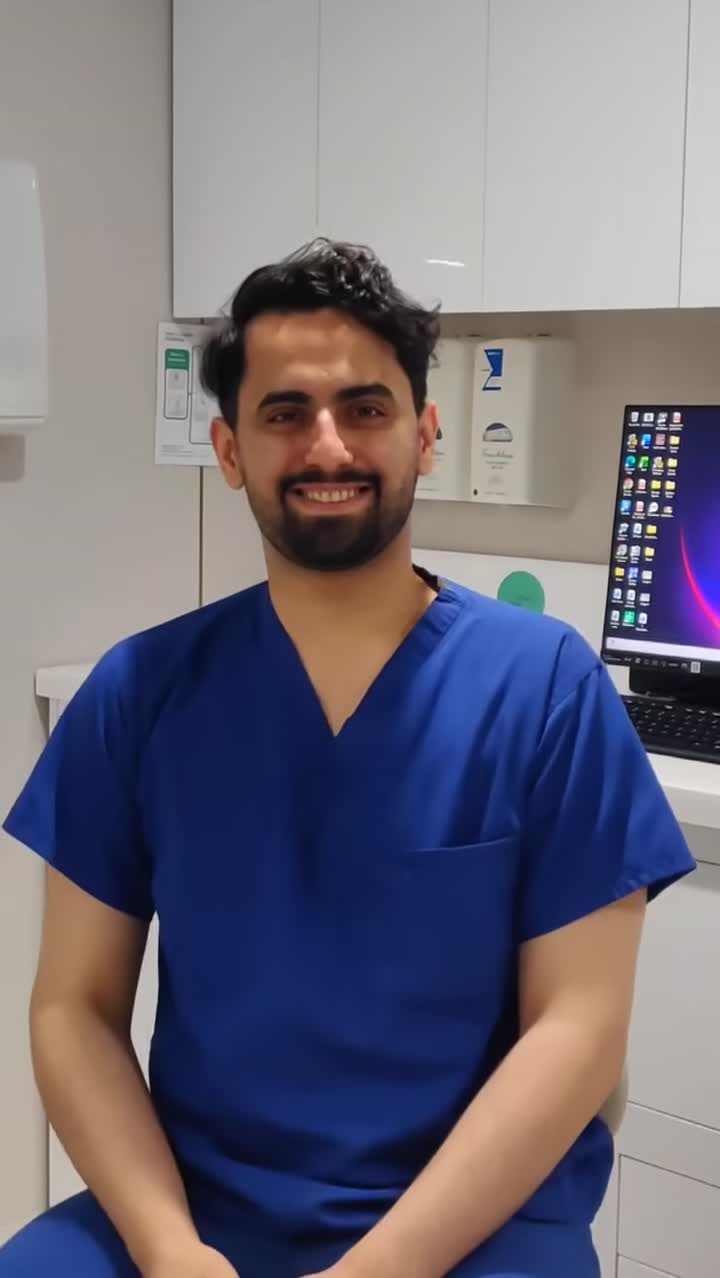
Meet Our Dental Team
Our experienced dental team is fully qualified and registered with the GDC, delivering safe, high-quality care in line with the highest professional standards.
Because our patients deserve nothing less.







Registered. Regulated. Trusted.
At St Paul's Medical & Dental, we are registered with the Care Quality Commission (CQC) as Medical and Dental Limited (Provider ID: 1-29171948282), and our clinicians are registered with the relevant UK regulatory bodies, including the GDC and GMC. Our dentists, dental nurses and medical professionals deliver care that meets the highest clinical, safety and ethical standards, because our patients deserve nothing less.


Visit us at St Paul's
Private dentistry beside St Paul’s Cathedral — 2 minutes from St Paul’s tube and a short walk from Bank, Blackfriars and Barbican. Early appointments from 8am.
5 Ave Maria Lane, The City of London, EC4M 7AQ

We Accept All Major Dental Insurances
Use your workplace or personal dental cover with us. We provide itemised receipts and completed claim forms for all major UK insurers — including AXA Health, Aviva, Bupa, Cigna, Vitality, Westfield Health, WPA, Unum, and Boots Dental Plan.









You pay for treatment at the clinic and claim reimbursement from your insurer. Cover levels vary by policy — check your plan details. All insurer names and trademarks belong to their respective owners.