Severe Toothache Treatment London
Throbbing pain keeping you awake? We diagnose the root cause and provide pain relief when possible to get you comfortable. Emergency exam from £30 for new patients (£95 standard, £47.50 for members).
X-rays £20 (£10 members) if clinically needed. Further treatment quoted after assessment — written plan provided before any work begins.
Emergency Toothache Exam
New Patient Offer
£30
emergency exam
Usually £95
Standard Emergency Exam
Returning patients
£95
Member Emergency Exam
SPMD members save 50%
£47.50
X-rays (if needed)
Only when clinically indicated
£20 (£10 members)
Emergency exam includes:
- Full examination by a dentist
- Diagnosis of the cause of pain
- Immediate pain relief where possible
- Written treatment plan with costs
- No hidden fees
Understanding severe toothache
A severe toothache is one of the most common reasons patients seek emergency dental care. The pain can be constant or intermittent, sharp or throbbing, and may radiate to the jaw, ear, or head. While over-the-counter painkillers may provide temporary relief, a toothache that persists or worsens requires professional assessment to identify the cause and prevent complications.
Common causes of severe toothache
- Dental decay (caries) — decay that has reached the inner nerve of the tooth, causing inflammation and pain
- Dental abscess — a bacterial infection at the root tip or in the gum, often causing swelling and throbbing pain
- Cracked or fractured tooth — a crack through the tooth may expose the nerve, especially when biting
- Failed filling or crown — a previous restoration that has broken down, allowing bacteria to reach the tooth
- Gum disease (periodontitis) — advanced gum infection causing pain, swelling, and bone loss around teeth
- Impacted wisdom tooth — a wisdom tooth pressing against adjacent teeth or trapped under the gum
- Referred pain — in some cases, pain felt in a tooth may originate from sinuses, the jaw joint (TMJ), or nearby structures
What to expect at your emergency appointment
When you attend for a severe toothache, your dentist will conduct a focused clinical examination, including visual inspection and gentle testing of the affected tooth. X-rays may be taken if clinically indicated. Based on the findings, your dentist will explain the diagnosis, discuss treatment options (including risks, benefits, and alternatives), and provide a written treatment plan with costs before any work proceeds.
Treatment options for severe toothache
Treatment depends on the underlying cause:
- Fillings — for teeth with decay that has not yet reached the nerve
- Root canal treatment — to remove infected nerve tissue and save the tooth (from £347.50 for members)
- Extraction — when the tooth cannot be predictably saved
- Abscess drainage — incision and drainage where a collection of pus is present
- Antibiotics — prescribed where clinically indicated for spreading infection (not a substitute for dental treatment)
- Temporary dressing — to stabilise a tooth until definitive treatment can be arranged
Risks and important information
As with any dental treatment, there are risks to be aware of. These are discussed with you before treatment and informed consent is obtained. Possible risks include: post-treatment sensitivity, the need for further treatment (such as a crown after root canal), the possibility that a tooth cannot be saved despite treatment, and temporary discomfort during recovery. Not all emergency visits result in immediate definitive treatment — some cases are stabilised and planned treatment arranged for a follow-up visit.
When to seek emergency care for a toothache
You should seek urgent dental care if you experience:
- Severe pain not controlled by over-the-counter painkillers
- Facial swelling, especially if spreading or affecting the eye or throat
- Fever alongside dental pain
- Difficulty swallowing or opening your mouth
- Pain that has been worsening over several days
- Bleeding or discharge from the gum around a tooth
If you experience difficulty breathing or severe facial swelling affecting your airway, attend your nearest hospital A&E department immediately.
While you wait for your appointment
If you are waiting for an emergency appointment, over-the-counter painkillers such as ibuprofen (if suitable for you) and paracetamol may help manage pain temporarily. Avoid very hot or cold foods and drinks. Do not place aspirin directly on the gum. A cold compress on the outside of the cheek may help reduce swelling. This is general guidance — always follow your dentist's or pharmacist's advice.
Toothache treatment cost breakdown
The initial emergency exam costs £30 for new patients (£95 standard, £47.50 for SPMD members). X-rays are £20 (£10 members) if clinically needed. Further treatment costs depend on the diagnosis — common treatment costs at our clinic include:
Prices are starting “from” prices. Final cost depends on clinical assessment. SPMD members save 50% on most fees. View full fee schedule.
Our Emergency Dentists
All emergency treatment is carried out by GDC-registered dentists. Verify any dentist on the GDC register.
Dr Yasha Y Shirazi
Principal Dentist & Clinical Director
GDC No: 195843
Dr Kamran Yazdi
Dentist — MSc Conservative Dentistry, UCL Eastman
GDC No: 197926
Dr Andreia Phipps
Dentist — Cosmetic & General Practice
GDC No: 229601
Dr Narges Ameri
Dentist — Implant & Restorative Dentistry
GDC No: 214396
Dr Reza Davari
Dentist — London Gold Medal Recipient
GDC No: 302422
GDC Standards
All dentists are GDC-registered and follow GDC Standards for the Dental Team, including informed consent and transparent pricing.
CQC Compliance
Our clinic is CQC registered and operates to CQC fundamental standards for safety, care, and governance.
ASA / CAP Advertising
All pricing is accurate, verifiable, and compliant with ASA and CAP codes. “From” prices reflect the lowest starting price.
Severe Toothache FAQs
How much does a severe toothache appointment cost?
An emergency exam is £95 (£47.50 for SPMD members). New patients currently pay just £30 as part of our opening offer. X-rays cost £20 (£10 for members) if clinically needed. Any further treatment is quoted separately after assessment — you receive a written treatment plan with costs before any work begins.
What causes a severe toothache?
Severe toothache is most commonly caused by dental decay reaching the tooth nerve (pulp), a cracked or fractured tooth, a dental abscess (infection), gum disease, or a failed previous restoration. In some cases, pain may be referred from other areas such as the sinuses or jaw joint. Only a clinical examination can confirm the cause.
Can I be seen the same day for a toothache?
Same-day emergency appointments may be available, subject to clinician availability and the nature of your condition. We prioritise patients in acute pain. Call 020 7183 3709 or book online for the earliest available slot.
What treatment will I need for a severe toothache?
Treatment depends entirely on the diagnosis. Common treatments include fillings, root canal treatment, extraction, drainage of an abscess, or antibiotics where clinically indicated. Your dentist will explain all options, risks, and costs before any treatment. Not all emergency visits require immediate procedures — some cases are stabilised and planned treatment arranged.
Should I go to A&E for a severe toothache?
Hospital A&E departments generally cannot provide definitive dental treatment. They may offer pain relief and antibiotics if infection is present, but a dentist is needed for diagnosis and treatment. A private emergency dentist can usually see you faster and provide the dental care needed.
What painkillers can I take while waiting?
Over-the-counter painkillers such as ibuprofen (if suitable for you) and paracetamol can help manage pain temporarily. Do not place aspirin directly on the gum — this can cause a chemical burn. Avoid very hot or cold foods and drinks. This is general guidance only — your dentist or pharmacist can advise on what is appropriate for your specific situation.
How do I know if my toothache is an emergency?
Seek urgent care if you experience: severe or worsening pain not controlled by painkillers, facial or gum swelling, fever, difficulty swallowing or breathing, bleeding, or a knocked-out tooth. If you are unsure, call us on 020 7183 3709 and we can advise whether an urgent appointment is appropriate.
Will the dentist extract my tooth?
Extraction is not always necessary. Where possible, we aim to save the tooth through treatments such as fillings or root canal therapy. Extraction is recommended only when the tooth cannot be predictably restored. Your dentist will discuss all options with you before any treatment.
Can a toothache go away on its own?
Some toothaches may settle temporarily, but this does not mean the underlying cause has resolved. In fact, a toothache that suddenly stops can indicate the nerve has died — which may lead to an abscess later. Professional assessment is strongly recommended for any persistent or severe toothache.
Where is your emergency toothache clinic?
Our clinic is at 5 Ave Maria Lane, The City of London, EC4M 7AQ — walking distance from St Paul's, Blackfriars, Bank, and Barbican stations. Open Monday to Thursday 8am–6pm, Friday 8am–5pm.
Don't Suffer With Toothache
5 Ave Maria Lane, The City of London, EC4M 7AQ · Mon–Thu 8am–6pm · Fri 8am–5pm
Emergency exam from £30 (new patients). All treatment requires informed consent. Prices valid April 2026.
Explore More Treatments
You Might Also Be Interested In
Patient Reviews
We're proud to care for professionals and families across the City. Read what patients say about us on Google — or share your own experience.
Providing exceptional dental and medical care to the City of London community — 2 minutes from St Paul's station.
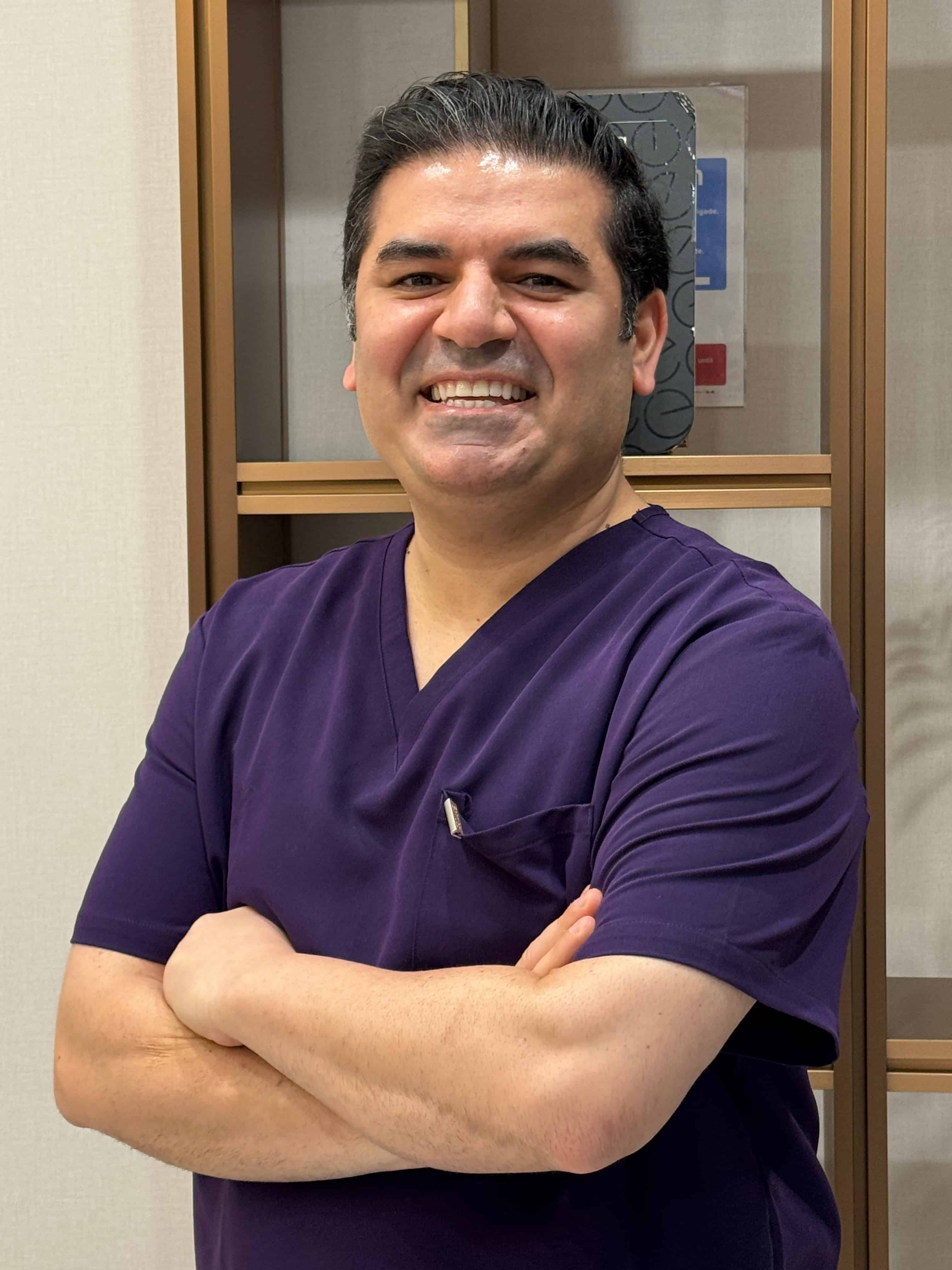
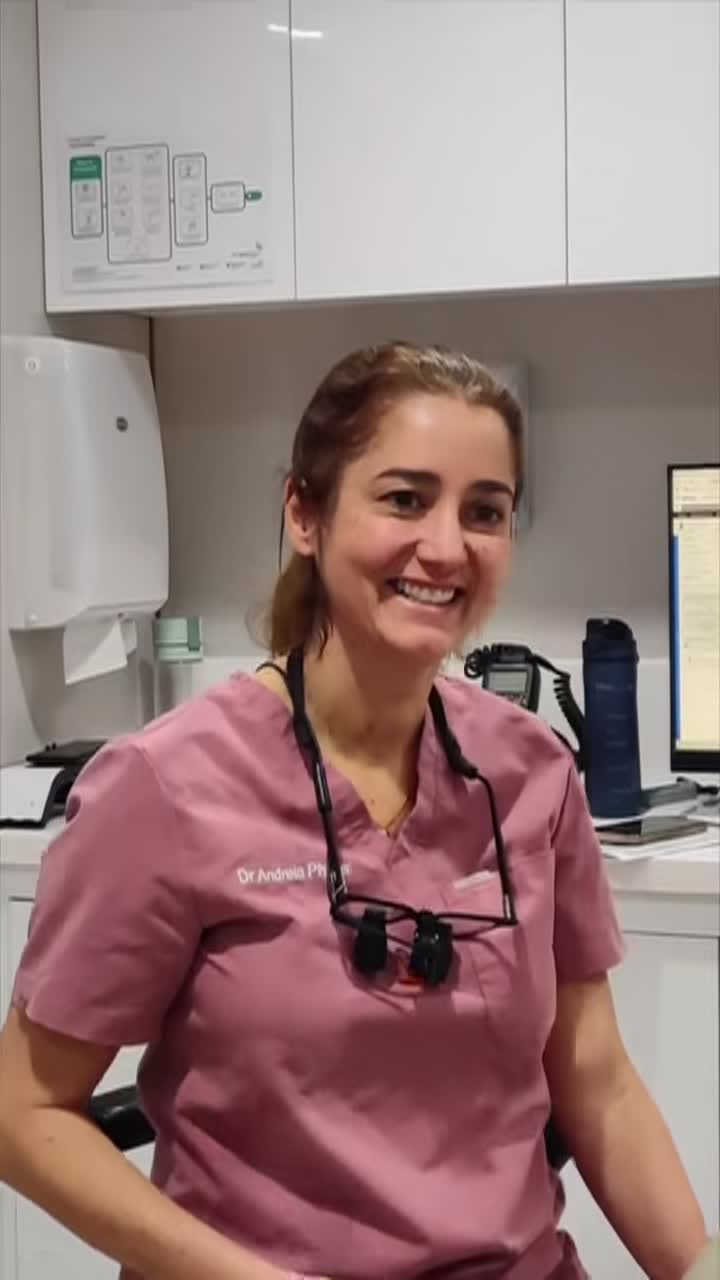
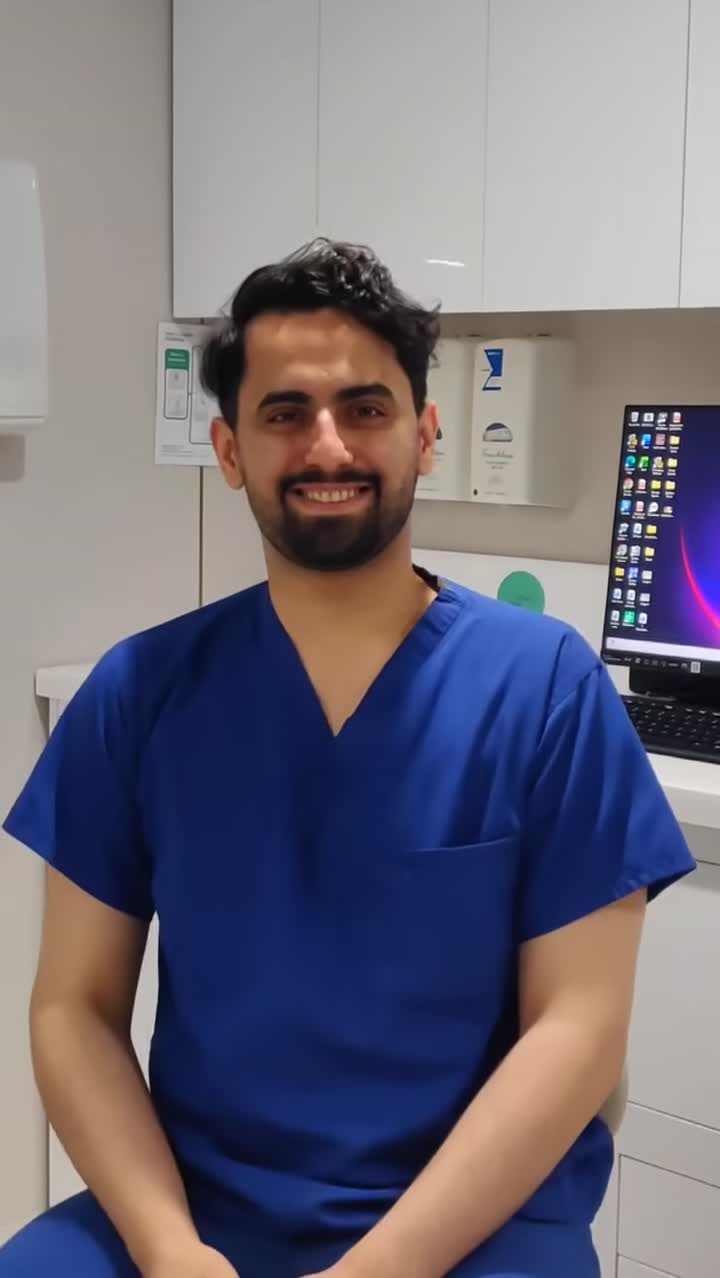
Meet Our Dental Team
Our experienced dental team is fully qualified and registered with the GDC, delivering safe, high-quality care in line with the highest professional standards.
Because our patients deserve nothing less.






Registered. Regulated. Trusted.
At St Paul's Medical & Dental, we are registered with the Care Quality Commission (CQC) as Medical and Dental Limited (Provider ID: 1-29171948282), and our clinicians are registered with the relevant UK regulatory bodies, including the GDC and GMC. Our dentists, dental nurses and medical professionals deliver care that meets the highest clinical, safety and ethical standards, because our patients deserve nothing less.

Visit us at St Paul's
Private dentistry beside St Paul’s Cathedral — 2 minutes from St Paul’s tube and a short walk from Bank, Blackfriars and Barbican. Early appointments from 8am.
5 Ave Maria Lane, The City of London, EC4M 7AQ

We Accept All Major Dental Insurances
Use your workplace or personal dental cover with us. We provide itemised receipts and completed claim forms for all major UK insurers — including AXA Health, Aviva, Bupa, Cigna, Vitality, Westfield Health, WPA, Unum, and Boots Dental Plan.









You pay for treatment at the clinic and claim reimbursement from your insurer. Cover levels vary by policy — check your plan details. All insurer names and trademarks belong to their respective owners.