Dental bridge prices · 2026
Dental Bridge Cost in London


£995 per unit
3-unit bridge £2,985 · Members £1,492.50 · £249/month at 0%
Maryland
from £1,030
3-unit
£2,985
Members
£1,492.50
Or call 020 7183 3709 · Beside St Paul's Cathedral
A dental bridge at our City of London practice is £995 per unit — £2,985 for the 3-unit bridge that replaces a single missing tooth — and members pay exactly half. Laboratory fees and a temporary bridge are included. Below: every bridge type priced, what sets the number of units, and an honest comparison with implants and dentures.
Back to Dental Bridge£995 per unit
3-unit bridge £2,985 · Members £1,492.50 · £249/month at 0%
- Marylandfrom £1,030
- 3-unitPopular£2,985
- Members£1,492.50
- Zirconia or porcelain-fused-to-metal, made in a UK lab
- Temporary bridge so you never have a gap
- Members save 50% on every tooth-supported bridge
- £30 new-patient assessment (usually £95)
- 0% finance over 12 months
Prices confirmed in writing before any treatment.
Dental Bridge Price List
Priced per unit, with the most common configurations totalled for you. Alternatives are listed so you can compare like with like.
Traditional bridge — per unit
Each crown or false tooth (pontic) counts as one unit
£995
Members £497.50
3-unit bridge (replaces 1 tooth)
Two crowns on neighbouring teeth + one pontic
£2,985
Members £1,492.50
4-unit bridge (replaces 2 teeth)
£3,980
Members £1,990
Cantilever bridge (2 units)
Supported on one side only
from £2,060
Members from £1,030
Maryland (resin-bonded) bridge
Minimal preparation; front teeth
from £1,030
Members from £515
Implant element excluded from membership
Quoted per plan
No member discount
Assessment & X-rays
£30
£95 · New patients
Members £47.50
Free 15-minute consultation
Options and rough costing
Free
Members Free
Temporary bridge
Included
Members Included
£2,950
No member discount
from £795
Members from £397.50
| Treatment | Standard price | New-patient offer | Member price |
|---|---|---|---|
Traditional bridge — per unit Each crown or false tooth (pontic) counts as one unit | £995 | — | £497.50 |
3-unit bridge (replaces 1 tooth) Two crowns on neighbouring teeth + one pontic | £2,985 | — | £1,492.50 |
4-unit bridge (replaces 2 teeth) | £3,980 | — | £1,990 |
Cantilever bridge (2 units) Supported on one side only | from £2,060 | — | from £1,030 |
Maryland (resin-bonded) bridge Minimal preparation; front teeth | from £1,030 | — | from £515 |
Implant element excluded from membership | Quoted per plan | — | Excluded |
Assessment & X-rays | £95 | £30New patients | £47.50 |
Free 15-minute consultation Options and rough costing | Free | — | Free |
Temporary bridge | Included | — | Included |
| £2,950 | — | Excluded | |
| from £795 | — | from £397.50 |
Members pay 50% of the standard price for this treatment. New memberships are currently paused. Existing members continue to receive 50% off eligible treatments. Call 020 7183 3709 to join the waiting list. Excluded from the discount: dental implants, all-on-x / full-arch implants, full mouth rehabilitation, sinus lift, bone graft, composite bonding and a small number of other treatments — see membership terms.
Bridge vs Implant vs Denture for One Missing Tooth
What each option costs now, what it costs members, and what it is likely to cost you over 20 years.
| 3-unit bridge | Single implant | Partial denture | |
|---|---|---|---|
| Standard price | £2,985 | £2,950 | from £795 |
| Member price | £1,492.50 | Excluded — £2,950 | from £397.50 |
| Treatment time | 2–3 weeks | 3–6 months | 3–5 weeks |
| Neighbouring teeth | Crowned (cut down) | Untouched | Clasps rest on them |
| Prevents bone loss | No | Yes | No |
| Typical lifespan | 10–15 yrs | 20+ yrs | 5–8 yrs |
| Fixed or removable | Fixed | Fixed | Removable |
| Likely 20-year cost (standard) | £3,000 – £6,000 | £2,950 – £3,950 | £2,400 – £3,200 |
Lifespans and 20-year costs are indicative ranges based on typical replacement intervals at today's prices. Which option suits you depends on the condition of the neighbouring teeth and your bone volume.
What Affects the Price?
Six factors set the number of units and the design — and therefore your price. All are settled at assessment.
Number of units
Bridges are priced per unit at £995. Replacing one tooth needs three units (£2,985); two adjacent teeth need four (£3,980). The neighbouring teeth that carry the bridge are crowned, and each crown is a unit.
Bridge design
A Maryland bridge bonds a wing to the back of one or two neighbouring teeth with minimal drilling — cheapest (from £1,030) but suited only to front teeth with light bite forces. A cantilever uses a single supporting tooth (from £2,060). A traditional bridge is the most versatile and long-lasting.
Material
Our standard unit fee covers high-strength zirconia or porcelain-fused-to-metal. Highly layered ceramics for very visible front teeth can cost more per unit; if that applies to your case it appears in your written quote.
Condition of the supporting teeth
The teeth either side must be strong enough to carry the load. If one needs a root canal (from £695) or a core build-up first, that is itemised separately — and member-eligible.
Fixed bridge or implant-supported
Where the neighbouring teeth are healthy and unfilled, an implant (£2,950) avoids cutting them down and is often the better long-term value. Where they already have large fillings or crowns, a bridge makes use of that and costs less.
Membership
Tooth-supported bridges are fully member-eligible at 50% off — a 3-unit bridge is £1,492.50 for members. The implant element of an implant-supported bridge is excluded. Membership is currently paused for new joiners.
Spread the Cost with 0% Finance
0% APR over 12 months on treatment plans. Apply in minutes; decisions are usually instant.
3-unit bridge (standard)
£2,985
£249/month × 12 at 0%
3-unit bridge (member)
£1,492.50
£125/month × 12 at 0%
4-unit bridge (standard)
£3,980
£332/month × 12 at 0%
Finance is subject to status and affordability checks; terms and conditions apply. Monthly figures are illustrative examples. Medical and Dental Limited (FCA no. 1047835) acts as a credit broker, not a lender; finance is provided by Tabeo Finance Limited.
Crown & Bridge Before & After
Real cases by our restorative team.
Real Results from Our Patients
See the transformations achieved by our expert dental team


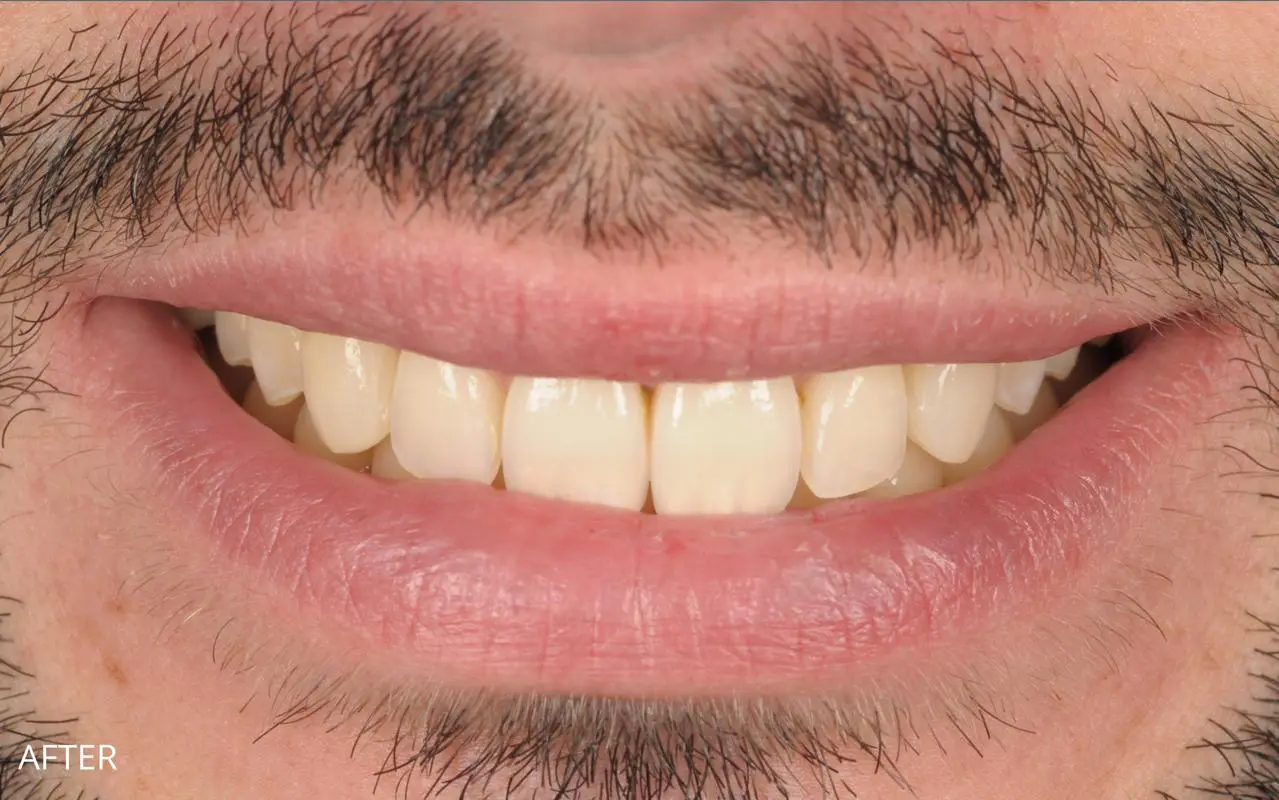
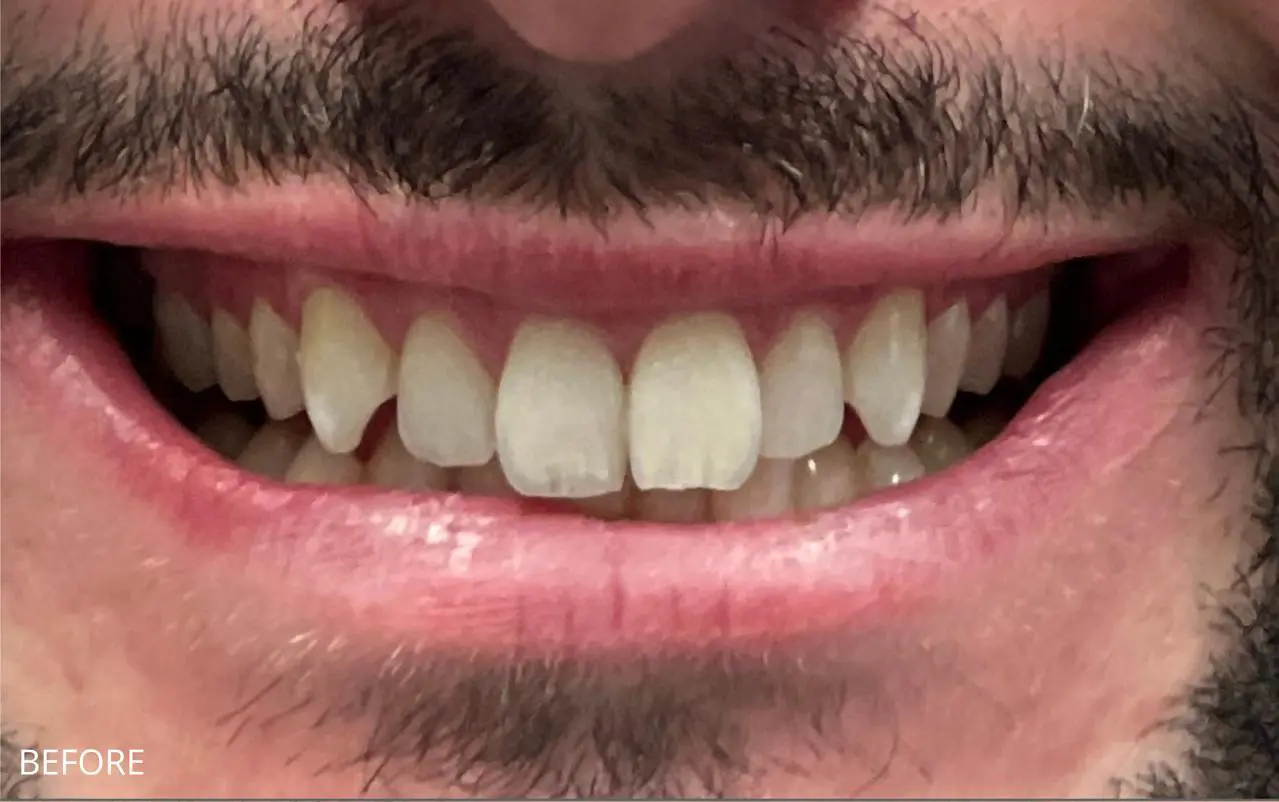


Individual results may vary. Images show real patients treated at our clinic. Results depend on individual circumstances and clinical suitability.
Actual patients treated at our clinic, published with consent. Individual results vary.
Dental Bridge Cost: St Paul's vs NHS vs London Private
| St Paul's | NHS (England) | London private range | |
|---|---|---|---|
| 3-unit bridge | £2,985 (members £1,492.50) | Band 3 · £326.70 | £2,000 – £4,500 |
| Maryland bridge | from £1,030 (members £515) | Band 3 · £326.70 | £800 – £1,800 |
| Material | Zirconia / PFM, UK lab | Usually PFM | Varies |
| Temporary bridge | Included | Varies | Sometimes extra |
| Wait | Days to start | Weeks – months | Days – weeks |
NHS charges are the 2025/26 England rates and depend on clinical need and access to an NHS dentist. London private figures are indicative of advertised 2026 prices.
Dental Bridge Cost FAQs
Get a Written Quote — Bridge, Implant or Denture
A £30 new-patient assessment with X-rays lets us check the supporting teeth and give you an itemised price for each realistic option, so you can choose with the numbers in front of you.
Explore More Treatments
You Might Also Be Interested In
Patient Reviews
We're proud to care for professionals and families across the City. Read what patients say about us on Google — or share your own experience.
Providing exceptional dental and medical care to the City of London community — 2 minutes from St Paul's station.
Meet Our Dental Team
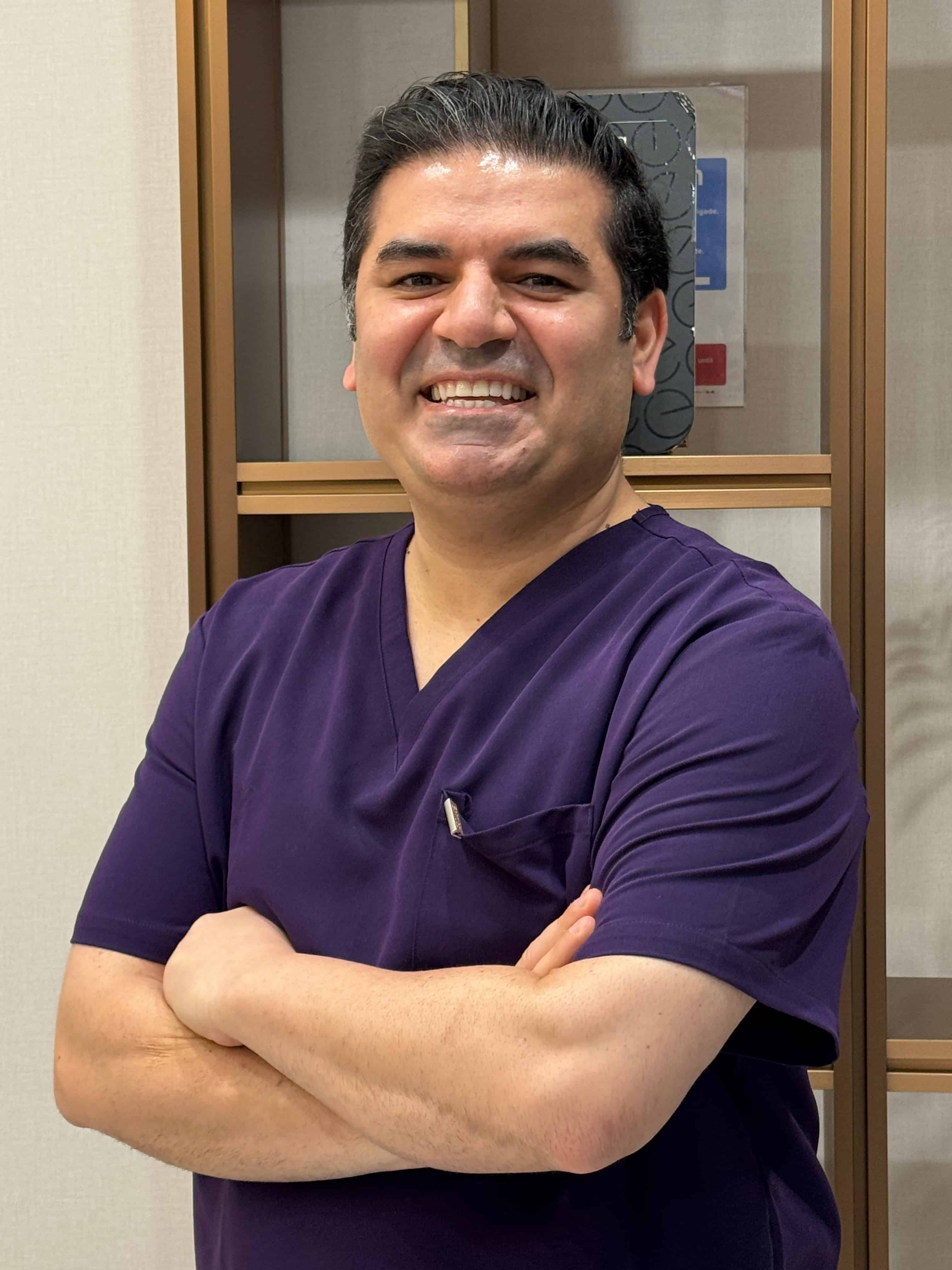
Our experienced dental team is fully qualified and registered with the GDC, delivering safe, high-quality care in line with the highest professional standards.
Because our patients deserve nothing less.








Registered. Regulated. Trusted.
At St Paul's Medical & Dental, we are registered with the Care Quality Commission (CQC) as Medical and Dental Limited (Provider ID: 1-29171948282), and our clinicians are registered with the relevant UK regulatory bodies, including the GDC and GMC. Our dentists, dental nurses and medical professionals deliver care that meets the highest clinical, safety and ethical standards, because our patients deserve nothing less.

Visit us at St Paul's
Private dentistry beside St Paul's Cathedral — 2 minutes from St Paul's tube and a short walk from Bank, Blackfriars and Barbican. Early appointments from 8am.
5 Ave Maria Lane, The City of London, EC4M 7AQ

We Accept All Major Dental Insurances
Use your workplace or personal dental cover with us. We provide itemised receipts and completed claim forms for all major UK insurers — including AXA Health, Aviva, Bupa, Cigna, Vitality, Westfield Health, WPA, Unum, and Boots Dental Plan.









You pay for treatment at the clinic and claim reimbursement from your insurer. Cover levels vary by policy — check your plan details. All insurer names and trademarks belong to their respective owners.