Emergency Root Canal London
Severe, throbbing toothache often means the nerve is infected. Root canal treatment removes the infection, relieves pain, and saves your natural tooth. Front tooth root canal from From £347.50 for members.
Emergency exam £30 (new patients). Written treatment plan before any work begins.
Root Canal Prices
Front Tooth (Incisor / Canine)
From £347.50
member
From £695 non-member
Premolar
1–2 root canals
From £397.50
From £795 non-member
Molar
3–4 root canals
From £447.50
From £895 non-member
Emergency Exam (new patient)
Usually £95
£30
- Same-day emergency pain relief where possible
- Digital X-rays for precision
- Save your natural tooth
- Written treatment plan with costs
- No hidden fees
Emergency root canal: what you need to know
Root canal (endodontic) treatment is needed when the soft tissue inside a tooth — the pulp, containing nerves and blood vessels — becomes infected or damaged beyond repair. Without treatment, the infection can spread, forming an abscess and eventually leading to tooth loss. Emergency root canal treatment aims to relieve severe pain and save your natural tooth.
What causes a tooth to need root canal treatment?
- Deep decay — a cavity that has penetrated through the enamel and dentine into the pulp
- Cracked or fractured tooth — allowing bacteria to reach the nerve
- Trauma — a blow to the tooth can damage the nerve even without visible fracture
- Repeated dental procedures — multiple restorations on the same tooth can irritate the pulp
- Gum disease — advanced periodontal disease can cause pulp infection via the root tip
How root canal treatment works
Under local anaesthesia, the dentist creates a small access hole in the top of the tooth. Using specialised instruments and often a dental microscope or magnification, the infected pulp tissue is carefully removed from the root canals. The canals are cleaned, shaped, and disinfected with antimicrobial solutions. They are then filled with a biocompatible material (gutta-percha) and sealed. The tooth is restored with a filling or, more commonly for back teeth, a crown for long-term protection.
What to expect after treatment
- Mild tenderness for 2–5 days is normal, manageable with over-the-counter painkillers
- Avoid chewing on the treated tooth until the permanent restoration (crown or filling) is placed
- Take any prescribed antibiotics as directed
- Maintain normal oral hygiene — brush and floss gently
- Attend your follow-up appointment for the permanent restoration
Root canal vs extraction
Saving your natural tooth is almost always preferable. Root canal treatment preserves your natural bite, protects neighbouring teeth from excessive wear, maintains jawbone density, and avoids the cost and complexity of a replacement (implant, bridge, or denture). Extraction may be recommended if the tooth is severely fractured, has insufficient remaining structure, or if root canal treatment is unlikely to succeed.
Risks and considerations
Root canal treatment has a high success rate (typically 85–95%), but no dental procedure is guaranteed. Possible complications include: incomplete removal of infected tissue, missed canal anatomy, instrument fracture within the canal, re-infection if the crown seal is compromised, and rarely, perforation of the root. Your dentist will discuss all risks during the informed consent process. Individual outcomes vary.
Cost comparison
Starting prices. Final cost depends on clinical assessment. Members save 50%. Full fee schedule. Full root canal cost guide.
Our Emergency Dentists
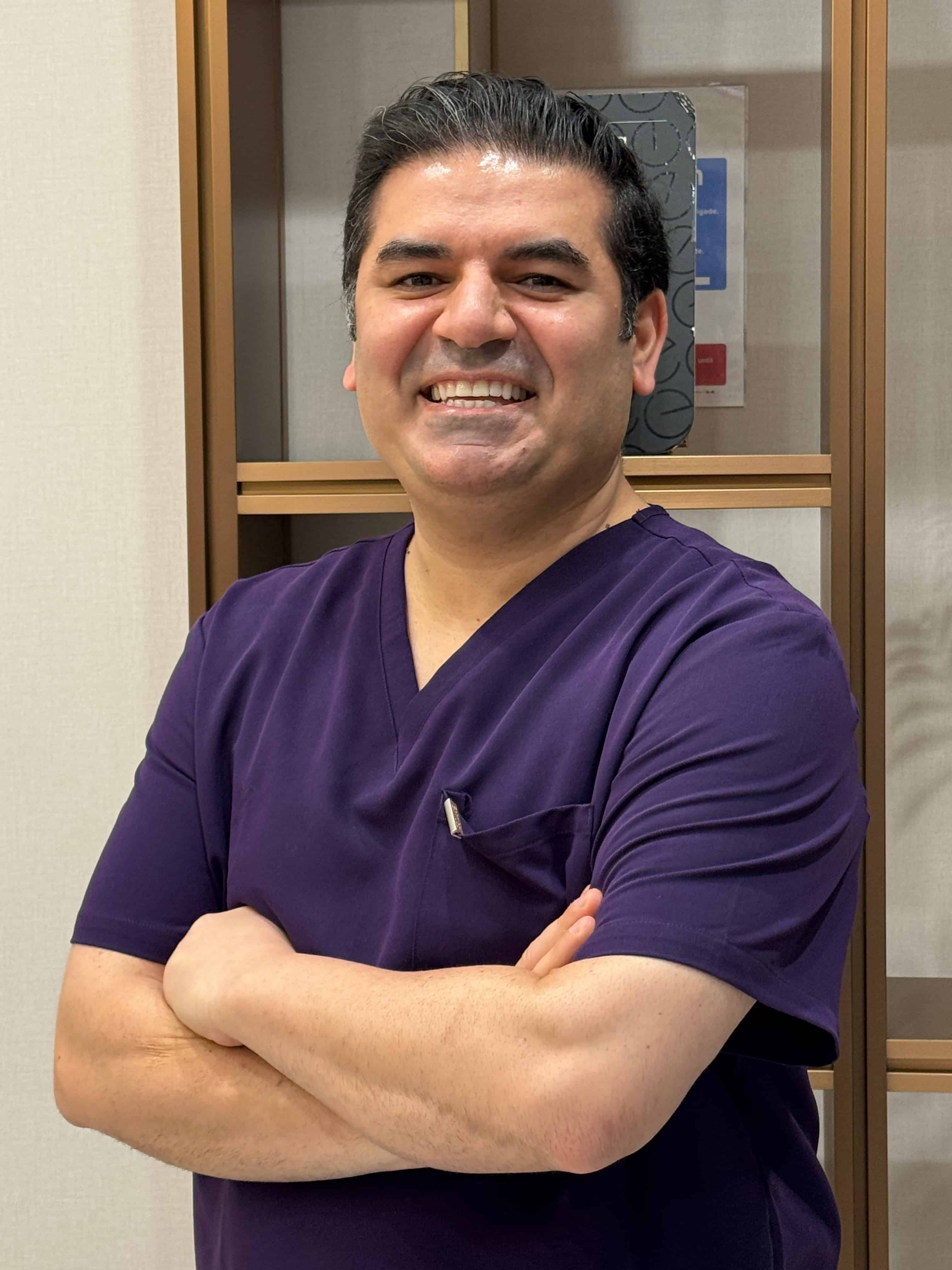
GDC-registered dentists experienced in endodontic (root canal) treatment. Verify on the GDC register.
Dr Yasha Y Shirazi
Principal Dentist & Clinical Director
GDC No: 195843
Dr Kamran Yazdi
Dentist — MSc Conservative Dentistry, UCL Eastman
GDC No: 197926
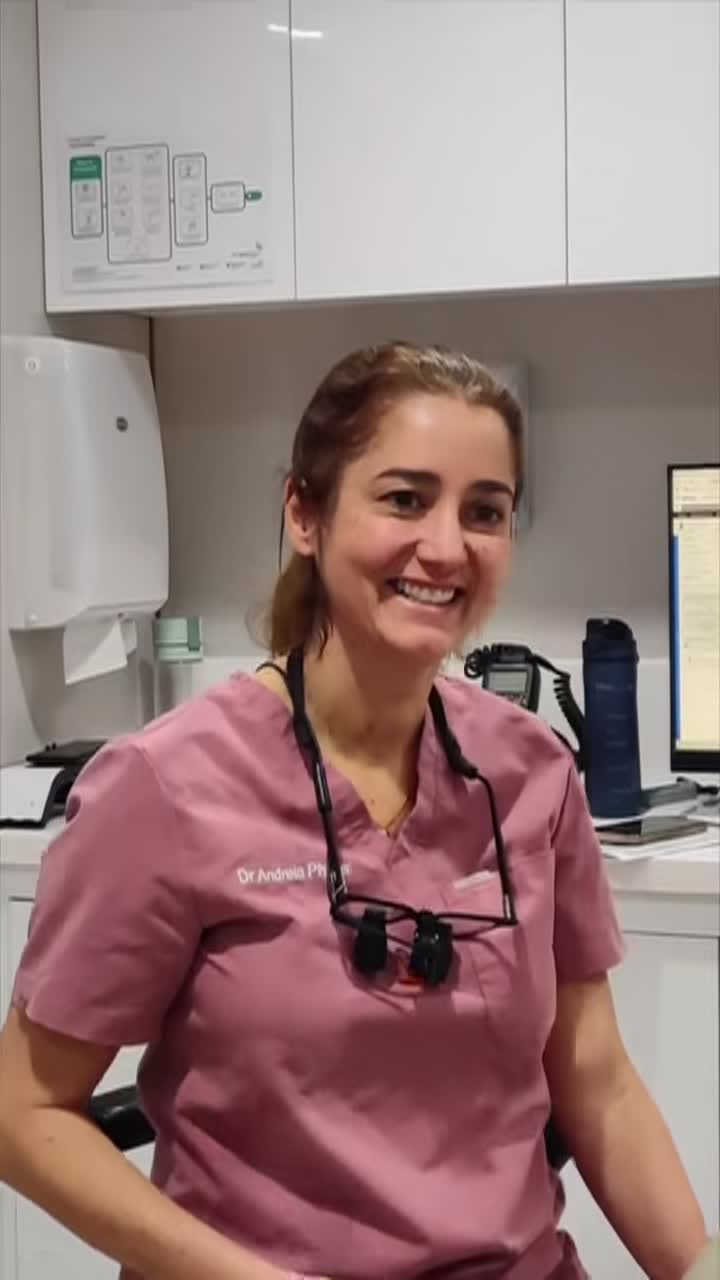
Dr Andreia Phipps
Dentist — Cosmetic & General Practice
GDC No: 229601
Dr Narges Ameri
Dentist — Implant & Restorative Dentistry
GDC No: 214396
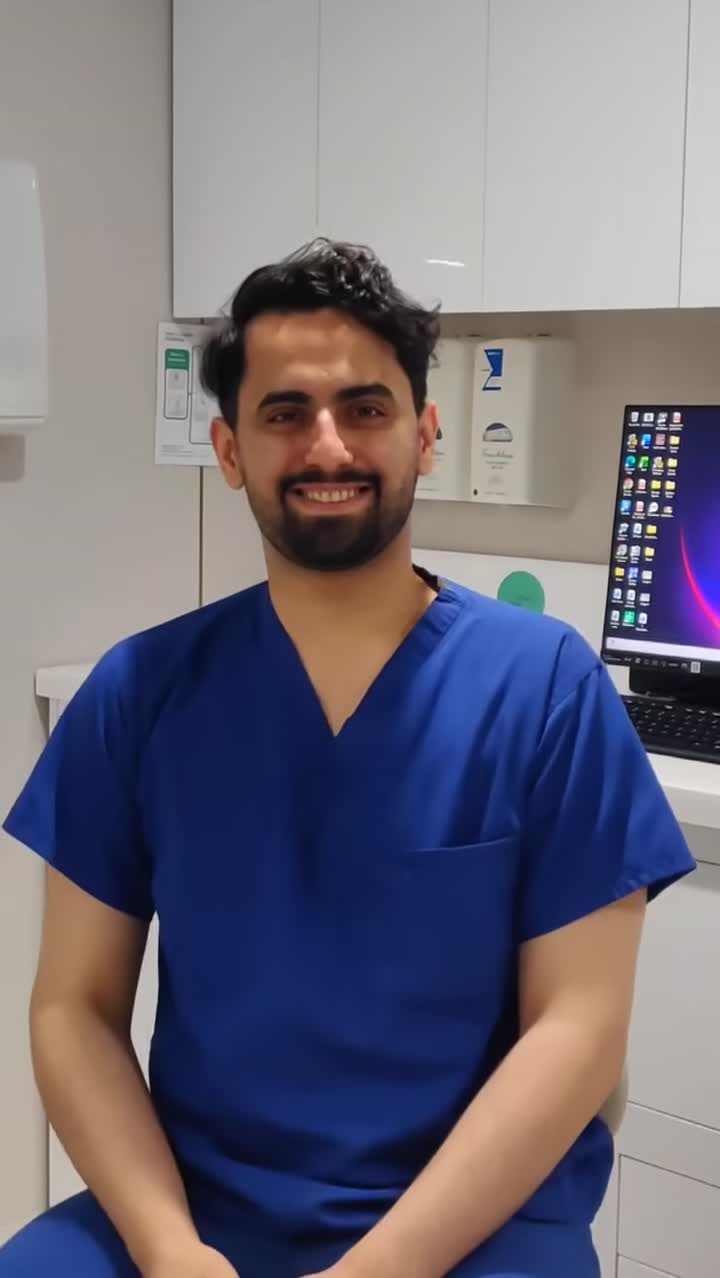
Dr Reza Davari
Dentist — London Gold Medal Recipient
GDC No: 302422
GDC Standards
All root canal treatment performed by GDC-registered dentists with full informed consent.
CQC Compliance
Clinic is CQC registered and operates to CQC fundamental standards for safety, quality, and care.
ASA / CAP Advertising
All pricing accurate, verifiable, and ASA/CAP compliant. No misleading claims.
Emergency Root Canal FAQs
How much does an emergency root canal cost?
Root canal treatment starts from £347.50 for a front tooth (SPMD members). Premolars start from £397.50 and molars from £447.50 for members. Standard prices are approximately double. The emergency exam costs £95 (£47.50 for members, £30 for new patients). A written treatment plan with exact costs is provided before any work begins.
Is root canal treatment painful?
Root canal treatment is carried out under local anaesthesia, so the procedure itself should not be painful. Many patients report it is no more uncomfortable than having a filling. The aim is to relieve the severe pain caused by the infected nerve. Some mild tenderness afterwards is normal and usually settles within a few days.
How long does emergency root canal treatment take?
An emergency root canal appointment typically takes 60–90 minutes depending on the complexity and which tooth is affected. Front teeth are generally quicker as they have one canal, whereas molars have three or four canals. In some cases, root canal treatment may be completed over two visits.
Will I need a crown after root canal treatment?
Back teeth (premolars and molars) usually require a crown after root canal treatment to protect the weakened tooth structure. Front teeth may not always need a crown but this is assessed on a case-by-case basis. Your dentist will discuss the most appropriate restoration during treatment planning.
What are the signs I need an emergency root canal?
Common signs include: severe, throbbing toothache (especially at night), prolonged sensitivity to hot or cold, pain when biting or chewing, swollen gum near the affected tooth, darkening of the tooth, a pimple or boil on the gum (sinus tract), and facial swelling. These symptoms suggest the nerve is infected or dying.
What is the alternative to root canal treatment?
The main alternative is extraction (removal) of the tooth. While extraction is quicker and less costly initially, it requires replacement with an implant, bridge, or denture to restore function and prevent neighbouring teeth from shifting. Root canal treatment is generally preferred as it preserves your natural tooth.
Can root canal treatment fail?
Root canal treatment has a high success rate (typically 85–95%). However, complications can occur: missed canals, incomplete cleaning, crown or filling failure allowing re-infection, or a fracture of the root. If a root canal fails, retreatment or apicectomy (surgical root-end treatment) may be considered.
What should I do while waiting for my emergency appointment?
Take over-the-counter painkillers as directed on the packet (ibuprofen and paracetamol taken alternately can be effective). Avoid very hot or cold food and drink. Sleep with your head slightly elevated. Rinse with warm salt water. Do not place aspirin directly on the gum. Contact us to arrange the earliest available appointment.
How long does a root canal last?
With proper care and a good-quality crown or filling, root canal treated teeth can last many years — often a lifetime. Longevity depends on the quality of the final restoration, oral hygiene, and regular dental check-ups. Individual outcomes vary.
Where is your emergency root canal clinic?
5 Ave Maria Lane, The City of London, EC4M 7AQ — walking distance from St Paul's, Blackfriars, Bank, and Barbican stations. Open Monday to Thursday 8am–6pm, Friday 8am–5pm. Call 020 7183 3709.
Severe Toothache? Save Your Tooth
5 Ave Maria Lane, The City of London, EC4M 7AQ · Mon–Thu 8am–6pm · Fri 8am–5pm
Emergency exam from £30 (new patients). All treatment requires informed consent. Prices valid April 2026.
Explore More Treatments
You Might Also Be Interested In
Patient Reviews
We're proud to care for professionals and families across the City. Read what patients say about us on Google — or share your own experience.
Providing exceptional dental and medical care to the City of London community — 2 minutes from St Paul's station.
Meet Our Dental Team
Our experienced dental team is fully qualified and registered with the GDC, delivering safe, high-quality care in line with the highest professional standards.
Because our patients deserve nothing less.






Registered. Regulated. Trusted.
At St Paul's Medical & Dental, we are registered with the Care Quality Commission (CQC) as Medical and Dental Limited (Provider ID: 1-29171948282), and our clinicians are registered with the relevant UK regulatory bodies, including the GDC and GMC. Our dentists, dental nurses and medical professionals deliver care that meets the highest clinical, safety and ethical standards, because our patients deserve nothing less.

Visit us at St Paul's
Private dentistry beside St Paul’s Cathedral — 2 minutes from St Paul’s tube and a short walk from Bank, Blackfriars and Barbican. Early appointments from 8am.
5 Ave Maria Lane, The City of London, EC4M 7AQ

We Accept All Major Dental Insurances
Use your workplace or personal dental cover with us. We provide itemised receipts and completed claim forms for all major UK insurers — including AXA Health, Aviva, Bupa, Cigna, Vitality, Westfield Health, WPA, Unum, and Boots Dental Plan.









You pay for treatment at the clinic and claim reimbursement from your insurer. Cover levels vary by policy — check your plan details. All insurer names and trademarks belong to their respective owners.