Dental Implants Cost in London (2026): Full Price Guide & Payment Options
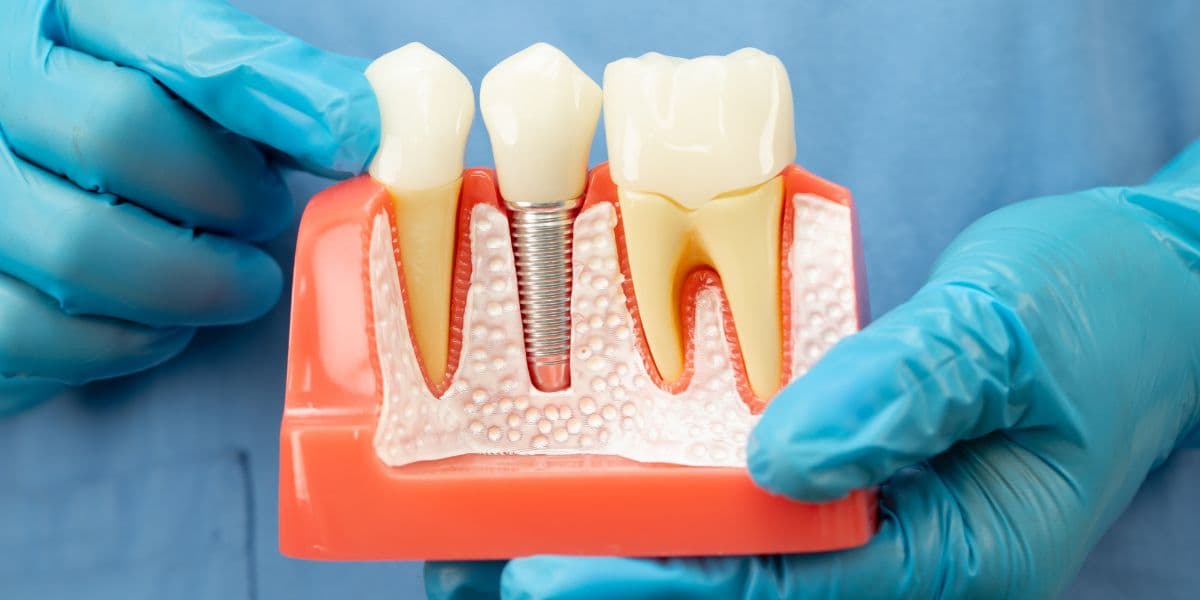
Many patients considering dental implants in London often feel uncertain about the financial investment involved. The cost of dental implants can vary significantly across different practices, leading to confusion when trying to budget for tooth replacement. Understanding dental implant pricing is helpful for making informed decisions about your oral health, particularly as this treatment represents a long-term solution for missing teeth.
Dental implants are widely recognised as an excellent option for tooth replacement, often offering enhanced stability and longevity compared to traditional dentures or bridges. However, the investment required can feel substantial, which is why many patients research costs thoroughly before proceeding. This comprehensive guide will explain the factors influencing dental implant costs in London, explore available payment options, and help you understand what to expect during your treatment journey.
While costs are important, it's equally vital to consider the expertise of your dental team and the quality of materials used. A thorough consultation with a qualified implant dentist will help determine the most suitable treatment plan for your individual circumstances.
What Do Dental Implants Cost in London?
How much do dental implants typically cost in London?
Dental implant costs in London generally range from £1,500 to £3,500 per implant, depending on complexity, materials used, and clinic location. These figures are approximate and based on general market information at the time of writing; actual costs may vary. Additional procedures such as bone grafting or sinus lifts may increase overall treatment costs.
Factors Affecting Dental Implant Pricing
Several key elements influence the overall cost of dental implant treatment. The complexity of your individual case plays a significant role, as some patients require additional preparatory procedures before implant placement. The location of the missing tooth also affects pricing, with front teeth often requiring more aesthetic considerations and specialised components.
The type of implant system used can impact costs, with premium Swiss or German manufacturers typically commanding higher prices due to their research investment and proven track records. Your dentist's experience and specialisation in implant dentistry also influences pricing, as advanced training and expertise often reflect in treatment fees.
Laboratory costs for custom crowns, bridges, or dentures attached to implants vary depending on the materials selected and the complexity of the restoration. Porcelain and zirconia restorations generally cost more than metal-ceramic alternatives but offer enhanced aesthetics and durability.
Understanding Treatment Components and Associated Costs
Dental implant treatment involves several distinct stages, each contributing to the overall investment. The initial consultation and diagnostic imaging, including CT scans, typically cost between £100-300 and are essential for accurate treatment planning.
The implant fixture itself, which is surgically placed into the jawbone, represents a significant portion of the total cost. This titanium post must integrate with your bone over several months through a process called osseointegration. Premium implant systems with extensive research backing may cost more but often provide better long-term outcomes.
The abutment, which connects the implant to the final restoration, is custom-made to ensure proper emergence and support for your new tooth. Finally, the crown, bridge, or denture attachment requires skilled laboratory work to match your natural teeth perfectly.
Additional procedures such as bone grafting may be necessary if insufficient bone volume exists to support the implant. Sinus lift procedures are sometimes required for upper posterior teeth, adding to the overall treatment timeline and cost.
Payment Options and Financing Solutions
Most dental practices in London offer various payment methods to help make implant treatment more accessible. Many patients choose to spread costs through interest-free payment plans, typically ranging from 6-24 months depending on the treatment value.
Third-party financing options are increasingly popular, allowing patients to spread payments over longer periods. These arrangements often require credit checks but can make substantial treatments more manageable within monthly budgets. Some plans offer 0% interest for qualified applicants, while others provide extended payment terms at competitive rates.
Dental insurance coverage for implants varies significantly between policies. While some private insurance plans provide partial coverage, many exclude implants or classify them as cosmetic treatment. It's worth reviewing your policy details and discussing coverage options with your insurance provider.
Some employers offer dental benefits or health savings accounts that can contribute towards implant costs. Additionally, certain practices offer loyalty schemes or package deals for multiple implants, potentially reducing per-unit costs.
The Science Behind Dental Implant Success
Dental implants work through a remarkable biological process called osseointegration, where titanium implant surfaces encourage bone cells to grow and attach directly to the implant. This creates a stable foundation that can withstand normal chewing forces, often lasting decades with proper care.
The success of this integration depends on several factors, including bone quality, implant design, and surgical technique. Modern implant surfaces are specially treated to enhance bone attachment, with some featuring microscopic textures or bioactive coatings that accelerate healing.
The timing of implant placement after tooth extraction also influences success rates. Immediate placement preserves bone architecture but requires specific conditions, while delayed placement allows complete healing but may necessitate additional bone grafting if volume has been lost.
Understanding this biological foundation helps explain why dental implants represent such excellent long-term value despite the initial investment. Unlike bridges or dentures that require periodic replacement, successful implants can last a lifetime with appropriate maintenance.
When Professional Assessment May Be Needed
Several situations warrant consultation with an implant specialist to discuss treatment options. Persistent discomfort from ill-fitting dentures or bridges may indicate that implant-supported restorations could provide better function and comfort.
Continuing bone loss in areas of missing teeth suggests the need for prompt evaluation, as delayed treatment often requires more complex and costly procedures. Difficulty eating certain foods or speaking clearly due to missing teeth significantly impacts quality of life and may benefit from implant treatment.
If you're considering tooth extraction due to severe damage or infection, discussing immediate implant placement during your consultation may help preserve bone and reduce overall treatment time. Some cases allow for immediate restoration, providing teeth on the same day as implant placement.
Regular dental examinations help identify potential issues before they become more serious, allowing for optimal treatment timing and often reducing overall costs through early intervention.
Maintaining Your Investment: Long-term Care Considerations
Successful dental implants require ongoing maintenance similar to natural teeth, including regular brushing, flossing, and professional cleaning. Investing in proper oral hygiene tools and techniques protects your implant investment and ensures long-term success.
Professional maintenance visits allow your dental team to monitor implant health and address any concerns before they develop into more serious problems. Most practices recommend check-ups every six months, with professional cleaning around implants using specialised instruments.
Avoiding harmful habits such as teeth grinding or using teeth as tools helps protect both implants and natural teeth. If you grind your teeth at night, a custom guard can protect your investment from excessive forces that might compromise the restoration or implant itself.
Understanding proper oral hygiene techniques specific to implants ensures your investment provides decades of reliable service. Your dental team will provide detailed instructions tailored to your specific restoration type.
Key Points to Remember
- Dental implant costs in London typically range from £1,500-£3,500 per implant, varying with complexity and materials
- Additional procedures such as bone grafting or sinus lifts may be necessary and increase overall investment
- Multiple payment options and financing solutions help make treatment more accessible
- Premium implant systems often provide better long-term value despite higher initial costs
- Proper maintenance and regular professional care protect your implant investment
- Individual assessment determines the most appropriate treatment approach and associated costs
Frequently Asked Questions
Are dental implants worth the investment compared to other tooth replacement options?
Dental implants often offer enhanced longevity and function compared to bridges or dentures. While the initial investment is higher, implants often prove more cost-effective over time as they rarely require replacement and don't affect adjacent healthy teeth. They also help preserve jawbone structure, preventing the facial changes that can occur with missing teeth. Most patients find the improved quality of life, including better eating and speaking ability, justifies the investment.
How long does dental implant treatment take from start to finish?
Complete dental implant treatment typically takes 3-6 months, allowing time for osseointegration between the implant and surrounding bone. Some cases may require longer if additional procedures such as bone grafting are necessary. Immediate loading protocols allow placement of temporary teeth on the same day as implant surgery in suitable cases, though the final restoration is still placed after healing is complete.
What happens if a dental implant fails after treatment?
Modern dental implants generally have high reported success rates when placed by appropriately trained and experienced practitioners, though individual outcomes depend on many factors. If an implant does not integrate as expected, it can usually be removed and, in many cases, replaced after a healing period. Maintaining excellent oral hygiene and attending regular check-ups may help reduce the risk of implant complications.
Can I get dental implants if I have gum disease or other oral health issues?
Active gum disease must be successfully treated before implant placement to ensure optimal healing and long-term success. Your dentist will assess your overall oral health and may recommend periodontal treatment before proceeding with implants. Many patients with well-controlled gum disease can successfully receive implants, but ongoing maintenance becomes even more critical for long-term success.
Do dental implants feel different from natural teeth?
Most patients report that properly placed and restored dental implants feel remarkably similar to natural teeth. There may be a brief adjustment period as you become accustomed to the new restoration, but the secure attachment and proper emergence profile typically provide excellent comfort. Unlike removable dentures, implants don't move during eating or speaking, providing confidence in social and professional situations.
How do I choose the right dentist for dental implant treatment?
Look for dentists with specific implant training and experience, preferably those who place and restore implants in their practice. Ask about their experience with similar cases, and ensure the practice uses recognised implant systems with good research backing. A thorough consultation should include detailed examination, appropriate imaging, and clear explanation of treatment options and costs. Don't hesitate to seek second opinions for complex cases or significant investments.
Conclusion
Understanding dental implant costs in London involves considering multiple factors beyond the initial price, including long-term value, quality of materials, and practitioner expertise. While the investment may seem substantial initially, dental implants often provide exceptional value over their lifespan when compared to alternative treatments that require regular replacement or adjustment.
The availability of various payment options and financing solutions makes implant treatment accessible to more patients, allowing you to prioritise your oral health without compromising financial stability. Remember that the cheapest option isn't always the best value, and investing in experienced practitioners using quality materials typically ensures better long-term outcomes.
Taking time to research your options, understand the treatment process, and discuss your concerns with qualified professionals helps ensure you make the best decision for your individual circumstances. Dental symptoms and treatment options should always be assessed individually during a clinical examination.
Disclaimer
This article is for educational purposes only and is not a substitute for professional dental advice, diagnosis, or treatment. Individual conditions vary — please consult a qualified dental professional for personalised guidance. In a dental emergency, seek immediate professional care.








