Dental Crown Cost London
Porcelain dental crowns from £995. Zirconia crowns from £1,195, metal-ceramic (PFM) crowns from £1,030, and e.max all-ceramic crowns from £1,095.
All prices are transparent standard treatment fees. Final pricing depends on the crown material, the tooth being restored and the complexity of your case. You receive an exact written quote after clinical assessment — no obligation, no hidden fees.
2026 Dental Crown Prices
Standard treatment fees
Porcelain Crown
Most naturalfrom £995
Zirconia Crown
Strongestfrom £1,195
Metal-Ceramic (PFM) Crown
Cost-effectivefrom £1,030
e.max All-Ceramic Crown
Premium aestheticfrom £1,095
Short Consultation (15 min)
15-minute chat to discuss your options
Free
Full Consultation (1 hour)
Comprehensive assessment, X-rays & treatment plan
£80
Crown price includes:
- Consultation and clinical assessment
- Tooth preparation under local anaesthetic
- Precise impressions or digital scan
- Temporary crown during fabrication
- Custom porcelain or zirconia crown
- Fitting, cementation and bite adjustment
- All follow-up adjustment appointments
Membership scheme: SPMD operates a dental membership scheme offering reduced fees on most treatments. Places are limited and currently allocated via a waiting list — you must first attend an in-person consultation with one of our dentists for clinical suitability before any membership offer is made. Terms & conditions apply. Learn more.
Understanding dental crown costs in London
Consultation, clinical assessment and treatment planning
Tooth preparation under local anaesthetic
Precise impressions or digital scan for the laboratory
Temporary crown during the fabrication period
Custom porcelain or zirconia crown fitting and cementation
All follow-up and bite-adjustment appointments
Why dental crown costs vary
The cost of a dental crown depends on three main factors: the material chosen, the position of the tooth, and the complexity of the case. Porcelain crowns start from £995 and provide the most natural appearance, making them the typical choice for front teeth. Zirconia crowns are exceptionally strong and start from £1,195 — well suited to back teeth, heavy biters and patients who grind. Metal-ceramic (PFM) crowns combine a metal core with a porcelain exterior and offer reliable, cost-effective restoration from £1,030.
Additional factors that can affect the final cost include whether root canal treatment, a post-and-core build-up or gum surgery is needed before the crown can be fitted. These are not always required, but if they are clinically indicated they will be itemised separately in your written treatment plan before any work begins.
Crown materials compared
Understanding the different crown materials helps you compare costs against long-term value:
- Porcelain (all-ceramic) crowns — most natural-looking, ideal for front teeth. Translucent like natural enamel. 10–15 year lifespan.
- Zirconia crowns — exceptionally strong, virtually chip-proof. Excellent for back teeth and bruxism patients. 15–25+ year lifespan.
- Metal-ceramic (PFM) crowns — proven, reliable and cost-effective. Strong metal core with porcelain exterior. 15–20 year lifespan.
- e.max all-ceramic crowns — high translucency and excellent aesthetics, popular for cosmetic front-tooth restorations. 10–15 year lifespan.
Dental membership — waiting list & eligibility
SPMD operates a dental membership scheme that provides reduced fees on most treatments, including crowns. The prices on this page are our standard treatment fees. Membership is not available on demand: places are limited and currently allocated through a waiting list, with clinical suitability assessed at an in-person consultation:
- Join the waiting list via reception or the membership page
- Attend an initial consultation with one of our dentists
- Your dentist confirms clinical suitability for the scheme
- If a place is available, membership terms, fees and benefits are explained in writing
- Subsequent treatment is then charged under the membership fee schedule
Until membership has been offered and accepted in writing, all treatment is quoted and charged at the standard fees shown on this page. Full terms and conditions are available on the membership page.
Dental crown vs veneer: cost comparison
A dental crown (from £995) covers the entire tooth and is used to restore broken, heavily filled, root-treated or significantly weakened teeth. A porcelain veneer covers only the front surface of the tooth and is used primarily for cosmetic improvement of teeth that are otherwise structurally sound. Crowns require more tooth preparation than veneers but provide substantially greater structural support. The choice between a crown and a veneer is a clinical decision based on how much healthy tooth structure remains and what the treatment goal is — your dentist will discuss the most appropriate option at your consultation.
The dental crown process and timeline
Understanding the treatment process helps you plan both your time and finances. A dental crown typically requires two appointments over 1–2 weeks:
- Consultation & assessment — your dentist examines the tooth, takes X-rays where appropriate, discusses crown material options and provides a personalised written treatment plan with itemised pricing. A free 15-minute consultation is available, or a full one-hour assessment (£80) for more complex cases.
- Tooth preparation & impressions (approximately 60 minutes) — the tooth is gently shaped under local anaesthetic to receive the crown. Precise impressions or a digital scan are taken and sent to the dental laboratory. A temporary crown is fitted.
- Laboratory fabrication (1–2 weeks) — your custom crown is crafted to match the colour, shape and translucency of your natural teeth. You wear the temporary crown during this period.
- Final fitting & cementation (approximately 30–45 minutes) — your permanent crown is checked for fit, shade and bite, then permanently cemented in place.
Risks, limitations and informed consent
As with any dental procedure, patients should be fully aware of the potential risks before consenting to crown treatment:
- Crown preparation requires permanent removal of some healthy tooth structure — this is irreversible
- The tooth may become sensitive to temperature for a short period after preparation
- In a small proportion of cases the underlying nerve may become inflamed and require root canal treatment
- The crown may chip, debond or fracture over time and require repair or replacement
- Decay can develop at the crown margin if oral hygiene is not maintained
- In rare cases the underlying tooth may eventually fail and require extraction
- Crown colour cannot be changed once cemented — shade selection is finalised before fitting
Your dentist will discuss these risks with you and obtain written informed consent before treatment begins. If a crown is not the most suitable option for your case, alternative treatments — including onlays, large fillings, veneers or other restorative approaches — will be discussed.
How crown costs compare to other restorative treatments
For context, here is how dental crown pricing compares to related restorative treatments at our clinic. All prices below are standard fees.
Prices shown are starting “from” standard fees. Final cost depends on individual clinical assessment. All prices include VAT where applicable. Membership-reduced rates are subject to waiting-list availability and clinical eligibility. View full fee schedule.
Crown & Bridge Results
Real patient results from our clinic. Individual outcomes vary — these images are provided for illustrative purposes and do not guarantee a specific result. All patients gave informed consent for their images to be used.
Real Results from Our Patients
See the transformations achieved by our expert dental team


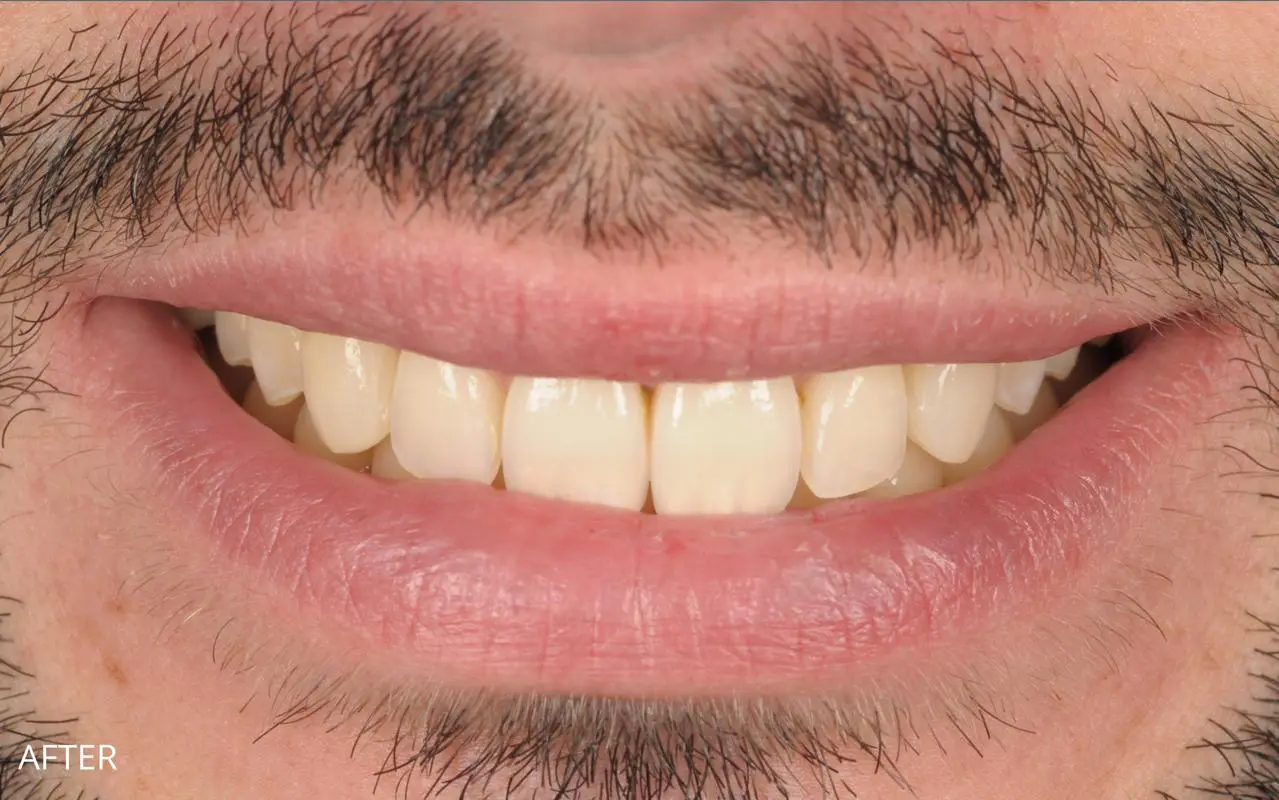
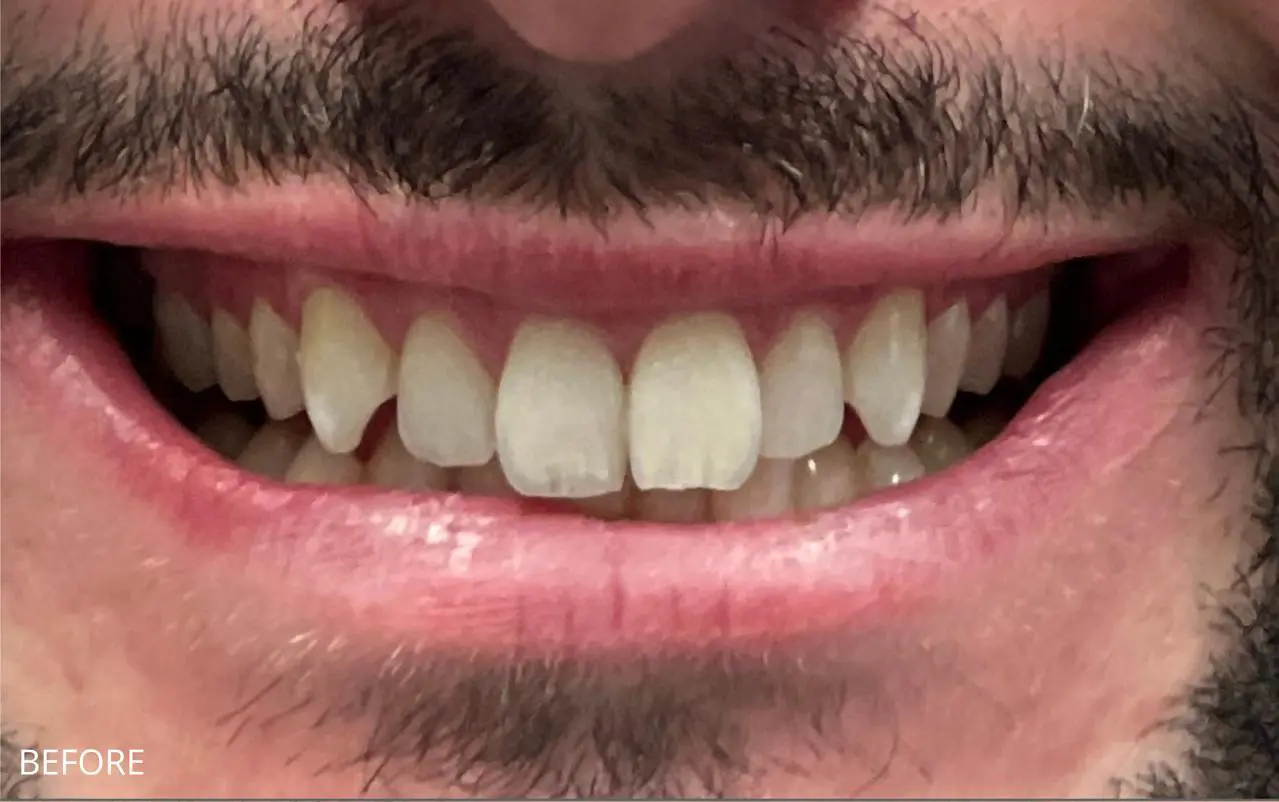


Individual results may vary. Images show real patients treated at our clinic. Results depend on individual circumstances and clinical suitability.
Our Crown Dentists
All dental crown treatment is carried out by GDC-registered dentists with experience in restorative and cosmetic dentistry. You can verify any dentist's registration on the GDC register.
Dr Yasha Y Shirazi
Principal Dentist & Clinical Director
GDC No: 195843
Dr Kamran Yazdi
Dentist — MSc Conservative Dentistry, UCL Eastman
GDC No: 197926
Dr Andreia Phipps
Dentist — Cosmetic & General Practice
GDC No: 229601
Dr Narges Ameri
Dentist — Implant & Restorative Dentistry
GDC No: 214396
Dr Reza Davari
Dentist — London Gold Medal Recipient
GDC No: 302422
GDC Standards
All our dentists are registered with the General Dental Council and follow the GDC Standards for the Dental Team, including informed consent, evidence-based care and transparent pricing.
CQC Compliance
Our clinic is registered with the Care Quality Commission. We meet all fundamental standards for safety, care, governance and patient outcomes.
ASA / CAP Advertising
All pricing on this page is accurate, verifiable and compliant with the ASA and CAP advertising codes. “From” prices reflect the lowest available starting price for each treatment category. Membership-reduced rates are conditional on waiting-list availability and clinical eligibility.
Dental Crown Cost FAQs
How much does a dental crown cost in London in 2026?
At St Paul's Medical & Dental, a porcelain dental crown costs from £995. Zirconia crowns start from £1,195, metal-ceramic (PFM) crowns from £1,030, and high-translucency e.max all-ceramic crowns from £1,095. Final pricing depends on the crown material, the tooth being restored and the complexity of your case. You receive an exact written quote after clinical assessment — no obligation and no hidden fees.
What is included in the dental crown price?
The crown fee covers your initial consultation and clinical assessment, tooth preparation under local anaesthetic, precise digital or conventional impressions, a temporary crown to wear while your permanent crown is being made, the custom-crafted porcelain or zirconia crown itself, fitting and cementation, and all follow-up adjustment appointments. A free 15-minute consultation is available to discuss your options; a full one-hour consultation (£80) includes a comprehensive examination, photographs and a detailed written treatment plan. There are no hidden charges — every fee is set out in writing before any work begins.
What is the cheapest type of dental crown?
The most affordable starting price at our clinic is a porcelain crown from £995, followed by a metal-ceramic (porcelain-fused-to-metal, PFM) crown from £1,030. PFM crowns combine a strong metal core with a porcelain exterior and are a proven, reliable option, particularly for back teeth. Porcelain crowns provide superior natural aesthetics, making them ideal for front teeth. The most suitable and cost-effective crown for you depends on tooth position, bite forces and aesthetic priorities — this is discussed in detail at your consultation.
Why are zirconia and e.max crowns more expensive?
Zirconia crowns (from £1,195) and e.max all-ceramic crowns (from £1,095) are more expensive because of the materials and laboratory work involved. Zirconia is exceptionally strong and resistant to chipping, making it ideal for back teeth and patients who grind. e.max ceramic provides the most natural translucency for front teeth. These crowns also require advanced CAD/CAM or hand-layered laboratory techniques. The added cost reflects longer expected lifespan and superior aesthetics — your dentist will explain which material is most suitable for your case.
Do you offer a dental membership scheme?
Yes. SPMD operates a dental membership scheme that provides reduced fees on most treatments (subject to terms and conditions). Membership places are currently limited and are allocated via a waiting list — you must first attend an in-person consultation with one of our dentists for clinical suitability before any membership offer is made. Membership pricing, eligibility and terms are explained in writing at your consultation. The prices shown on this page are our standard treatment fees; please ask reception or your dentist about current membership availability.
Do you offer finance for dental crown treatment?
For larger treatment plans, we may offer finance options (subject to status and eligibility; terms and conditions apply — ask at reception for full details). All standard prices on this page are payable at the time of treatment unless a finance arrangement has been agreed in writing in advance.
How long do dental crowns last?
With proper care, regular check-ups and good oral hygiene, dental crowns typically last 10–15 years, with many lasting 20+ years. Zirconia crowns can last 15–25+ years owing to their exceptional strength. Factors affecting crown lifespan include oral hygiene, diet, smoking, teeth grinding (bruxism), and whether you attend regular maintenance appointments. Your dentist will discuss expected outcomes specific to your case at consultation. Individual results vary.
What are the risks of dental crown treatment?
Crowns carry potential risks that we will discuss with you before treatment. These include: permanent removal of some healthy tooth structure during preparation (this is irreversible); short-term sensitivity to hot, cold or sweet stimuli; the small possibility that the underlying tooth nerve becomes inflamed and may require root canal treatment; the crown may chip, debond or fracture over time, requiring repair or replacement; decay can develop at the crown margin if oral hygiene is not maintained; and in rare cases the underlying tooth may eventually fail. Your dentist will discuss all risks specific to your case and obtain written informed consent before any treatment begins.
Is getting a dental crown painful?
Crown preparation is performed under local anaesthetic, so you should not feel pain during the procedure. Many patients describe it as comparable to a routine filling appointment. Some patients experience mild sensitivity or tenderness for a few days after preparation, which is typically managed with over-the-counter painkillers. Most patients report the procedure is comfortable. Individual experiences vary — your dentist will discuss what to expect before treatment begins.
How many appointments do I need for a dental crown?
A dental crown typically requires two appointments over 1–2 weeks. The first appointment (approximately 60 minutes) involves tooth preparation under local anaesthetic and taking precise impressions or digital scans. A temporary crown is fitted to protect your tooth in the meantime. The second appointment (approximately 30–45 minutes) involves checking the fit, shade and bite of your custom crown, then permanently cementing it in place. Some complex cases may require an additional visit. Your dentist will confirm the expected timeline at your consultation.
What is the difference between a crown and a veneer?
A crown covers the entire visible tooth and is used to restore broken, heavily filled, root-treated or significantly weakened teeth. A veneer is a thin facing bonded to the front of a tooth, used primarily for cosmetic improvement of intact teeth — to change colour, shape or close small gaps. Crowns require more tooth preparation than veneers but provide much greater structural support. Your dentist will recommend the most appropriate option for your specific clinical situation.
Is a dental crown better than a large filling?
When more than around 50% of a tooth is filling, a crown generally provides better long-term protection and longevity than replacing the filling again. Large fillings can weaken the remaining tooth structure, increasing the risk of fracture. A crown covers and reinforces the entire tooth, distributing bite forces more evenly. However, conservative treatment is always preferred where appropriate — your dentist will weigh up the size of the existing restoration, remaining tooth structure, bite forces and your individual circumstances before recommending a crown.
Where is your dental crown clinic in London?
Our clinic is at 5 Ave Maria Lane, The City of London, EC4M 7AQ — within walking distance of St Paul's, Blackfriars, Bank, Mansion House and Barbican Underground stations. We offer a free 15-minute consultation to discuss your crown options, or a full one-hour consultation (£80) for a comprehensive assessment, photographs, X-rays and a detailed written treatment plan.
Restore Your Tooth — Book Today
5 Ave Maria Lane, The City of London, London EC4M 7AQ
Walking distance from St Paul's, Blackfriars, Bank, Mansion House and Barbican stations. Open Monday – Friday. Free 15-minute consultations available, or a full one-hour assessment for £80.
Free 15-minute consultation to discuss your options. Full one-hour consultation (£80) includes comprehensive assessment, photographs and a written treatment plan. All treatment requires informed consent. Prices valid as of May 2026 and subject to change.
Explore More Treatments
You Might Also Be Interested In
Patient Reviews
We're proud to care for professionals and families across the City. Read what patients say about us on Google — or share your own experience.
Providing exceptional dental and medical care to the City of London community — 2 minutes from St Paul's station.
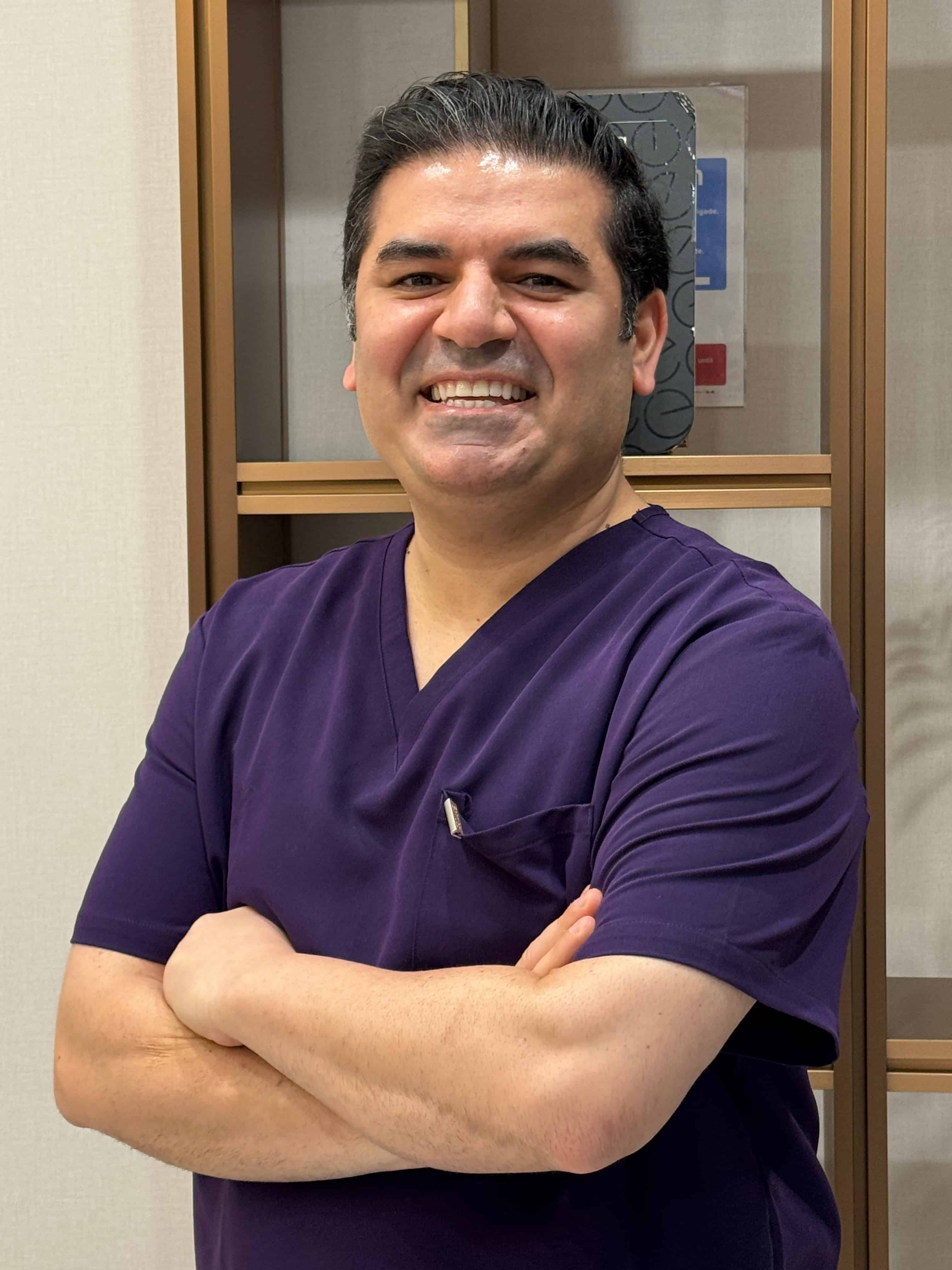
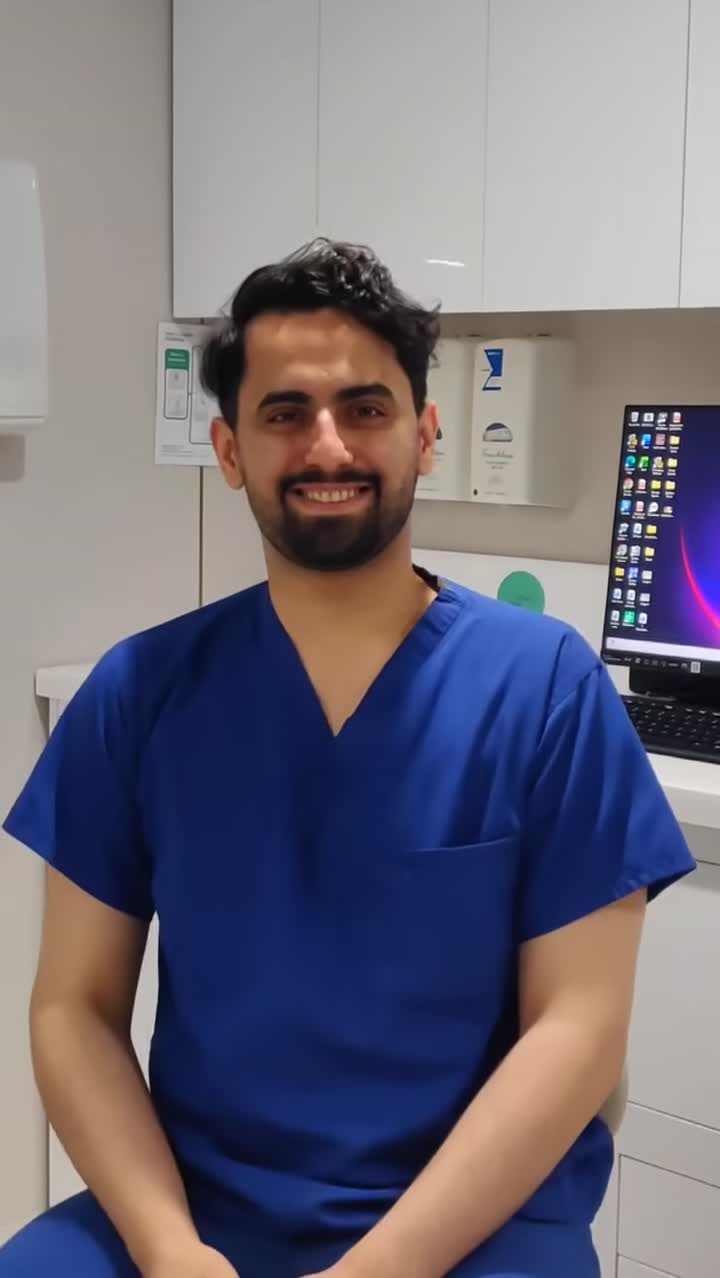
Meet Our Dental Team
Our experienced dental team is fully qualified and registered with the GDC, delivering safe, high-quality care in line with the highest professional standards.
Because our patients deserve nothing less.







Registered. Regulated. Trusted.
At St Paul's Medical & Dental, we are registered with the Care Quality Commission (CQC) as Medical and Dental Limited (Provider ID: 1-29171948282), and our clinicians are registered with the relevant UK regulatory bodies, including the GDC and GMC. Our dentists, dental nurses and medical professionals deliver care that meets the highest clinical, safety and ethical standards, because our patients deserve nothing less.


Visit us at St Paul's
Private dentistry beside St Paul’s Cathedral — 2 minutes from St Paul’s tube and a short walk from Bank, Blackfriars and Barbican. Early appointments from 8am.
5 Ave Maria Lane, The City of London, EC4M 7AQ

We Accept All Major Dental Insurances
Use your workplace or personal dental cover with us. We provide itemised receipts and completed claim forms for all major UK insurers — including AXA Health, Aviva, Bupa, Cigna, Vitality, Westfield Health, WPA, Unum, and Boots Dental Plan.









You pay for treatment at the clinic and claim reimbursement from your insurer. Cover levels vary by policy — check your plan details. All insurer names and trademarks belong to their respective owners.