A hive rash is one of the most common skin reactions. It can appear suddenly, cause intense itching, and then disappear just as quickly — often leaving patients unsure about what caused it or how long it will last.
Understanding the difference between hives vs rash is an important first step. While the term “rash” describes any change in skin appearance, hives (also known as urticaria) are a specific type of rash characterised by raised, itchy welts. They can be triggered by allergies, infections, stress, or environmental factors.
How long does hive rash last? For most people, acute hives resolve within hours to days. In some cases, they may persist for several weeks or longer. The duration depends on the cause and individual factors.
This article is for informational purposes only and does not replace medical advice. Individual experiences may vary.
What Is Hives Skin Rash?
A hive rash — medically known as urticaria — is a skin reaction that produces raised, red or skin-coloured welts. These welts are often intensely itchy and can appear anywhere on the body. They occur when the body releases histamine and other chemicals into the skin, usually in response to a trigger.
What is hives skin rash in practical terms? It is a very common condition. Most people will experience at least one episode of hives at some point in their lives. The welts can vary in size — from small spots to large patches — and may change shape or merge together over a short period.
An itchy skin rash with hives can feel uncomfortable and sometimes alarming, but in the majority of cases it is not dangerous and resolves on its own. However, persistent or severe symptoms should always be assessed by a healthcare professional.
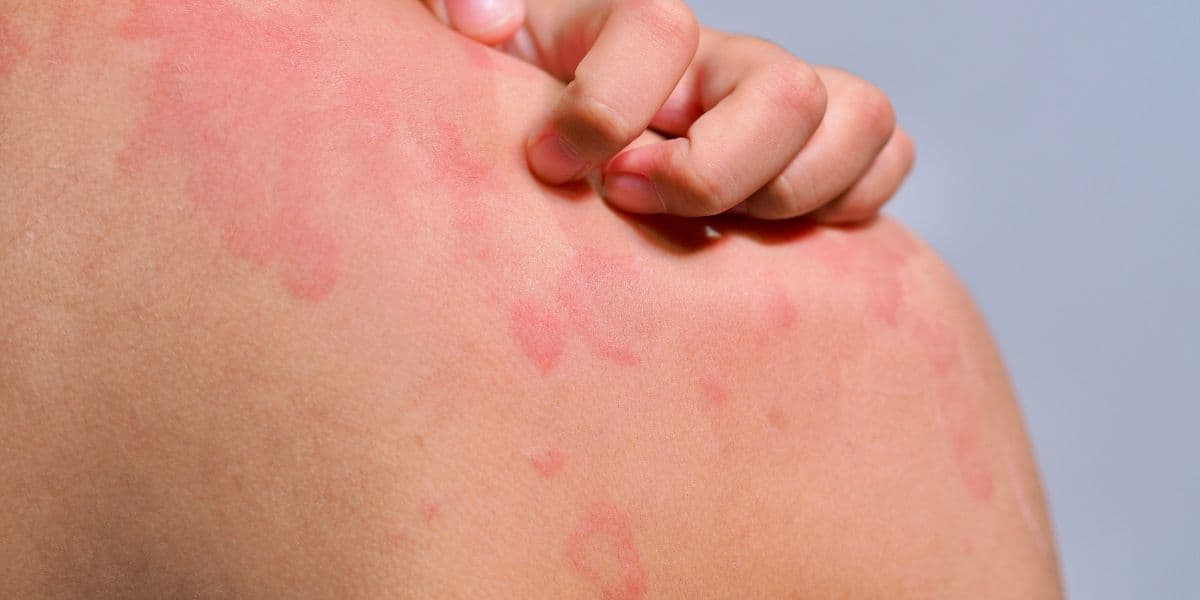
What Does Hive Rash Look Like?
Knowing what hive rash looks like can help you identify it. The appearance of hives is quite distinctive, although it can vary between individuals.
Common visual characteristics include:
Raised bumps or welts on the skin surface
Pale centres with red or pink borders
Welts that may be small, large, or merged into larger patches
Skin that appears red, inflamed, or swollen in affected areas
Welts that may change shape, size, or location within hours
On darker skin tones, hives may appear as raised welts that are the same colour as the surrounding skin, slightly darker, or slightly lighter. The itching and swelling are usually still present even if the colour change is less visible.
What Are the Symptoms of Hives Rash?
Beyond their appearance, hives can produce a range of symptoms. Knowing what to look for may help you understand the condition better.
Itching. This is usually the most noticeable symptom. The itch can range from mild to intense and may be described as a prickling or burning sensation.
Swelling. The affected area may become swollen. In some cases, deeper swelling (known as angioedema) can develop around the eyes, lips, or throat.
Warmth. The skin around the hives may feel warm or tender to the touch.
Temporary flare-ups. Individual welts may appear and disappear within hours, with new ones forming in different locations.
Blanching. Pressing on a hive may cause the centre to turn white (blanch), which can help distinguish hives from other types of rash.
Skin Rash Hives Causes
Understanding skin rash hives causes can help you identify potential triggers. Hives occur when the body releases histamine, but the reason behind this release varies widely.
Common triggers include:
Allergic Reactions
A skin rash from an allergic reaction with hives is one of the most well-known causes. Common allergens include certain foods, medications, insect stings, and latex. A food allergy hives rash may develop shortly after eating a trigger food — common culprits include shellfish, nuts, eggs, and certain fruits.
Infections
Viral and bacterial infections can trigger hives, particularly in children. Upper respiratory infections and urinary tract infections are sometimes associated with urticaria episodes.
Medications
Certain medications — including some antibiotics and anti-inflammatory drugs — may cause hives as a side effect in some individuals.
Stress
Can stress cause rashes and hives? Yes. Emotional or physical stress is a recognised trigger. The body's stress response may release chemicals that provoke or worsen hives in some people.
Environmental Factors
Temperature changes, sunlight exposure, pressure on the skin, and cold air can all trigger hives in susceptible individuals. Exercise and excessive sweating may also be contributing factors.
In many cases, the exact cause of hives is never identified. This is known as idiopathic urticaria and is more common with chronic episodes.
How Long Does Hive Rash Last?
How long does hive rash last? In many cases, individual welts appear and fade within a few hours. However, the overall episode — with new welts replacing old ones — can last from a few days to several weeks.
Duration Overview
| Type | Typical Duration | Notes |
|---|---|---|
| Acute hives | Hours to 6 weeks | Most common; often resolves within days |
| Chronic hives | 6 weeks or longer | May come and go over months; cause often unknown |
Acute hives are the most common form. They typically last from a few hours to several days and usually resolve within six weeks. They are often linked to an identifiable trigger such as a food, medication, or infection.
Chronic hives persist for six weeks or longer. They can come and go unpredictably, sometimes lasting months. The cause is often difficult to identify, and ongoing assessment may be needed.
The duration varies between individuals. If hives persist, recur frequently, or are accompanied by other symptoms, it is advisable to seek assessment from a healthcare professional.
Heat Rash vs Hives
Heat rash and hives can sometimes look similar, but they have different causes and characteristics. Understanding the difference between heat rash vs hives can help you distinguish between the two.
Heat Rash vs Hives — Comparison
| Feature | Heat Rash | Hives |
|---|---|---|
| Cause | Blocked sweat ducts | Histamine release |
| Appearance | Small red bumps or blisters | Raised welts, often with pale centres |
| Location | Skin folds, chest, back, groin | Anywhere on the body |
| Movement | Stays in one area | May move around the body |
| Trigger | Heat and sweating | Allergies, stress, infections, etc. |
Heat rash typically resolves once the skin cools down and the blocked sweat ducts clear. Hives may require further assessment, particularly if they persist or are associated with other symptoms.
Hives Rash During Pregnancy
Some individuals experience hives rash during pregnancy. Hormonal changes can affect the immune system and increase skin sensitivity, which may contribute to urticaria episodes.
Key considerations during pregnancy include:
Hormonal changes. Fluctuations in hormones during pregnancy may trigger or worsen hives in some individuals.
Increased sensitivity. The body may become more reactive to allergens or environmental triggers during pregnancy.
Safety considerations. Not all over-the-counter treatments are suitable during pregnancy. Always consult a healthcare professional before taking any medication.
Important: Any new or persistent rash during pregnancy should be discussed with your midwife, GP, or healthcare team. They can help rule out other conditions and advise on safe management options.
Hives Rash Treatment Options
Hives rash treatment focuses on relieving symptoms and managing triggers. There is no single approach that works for everyone, but several options may help reduce discomfort.
Medical Options
Antihistamines. An antihistamine for hives rash is often the first-line approach. Over-the-counter non-drowsy antihistamines may help reduce itching and swelling. Always follow the dosage instructions on the packaging or as advised by a pharmacist.
Cooling creams. Calamine lotion or menthol-based creams may help soothe itchy skin. These are widely available over the counter.
Prescription options. For chronic or severe hives that do not respond to over-the-counter treatments, a healthcare professional may recommend alternative approaches.
Supportive Measures (Home Remedies)
In addition to medical options, several hives rash home remedies and supportive measures may help manage symptoms:
Cool compresses. Applying a cool, damp cloth to the affected area may help reduce itching and swelling.
Avoid known triggers. If you have identified specific triggers — such as certain foods, heat, or stress — avoiding them where possible may help reduce flare-ups.
Loose clothing. Wearing loose-fitting, breathable clothing can help reduce friction and irritation on the skin.
Lukewarm baths. Avoiding very hot water and opting for lukewarm baths may help calm irritated skin.
Note: These measures may help reduce symptoms but are not guaranteed to resolve the condition. If symptoms persist, worsen, or are accompanied by other concerns, seek assessment from a healthcare professional.
When Should Someone Seek Medical Assessment?
While most cases of hives are not serious, there are situations where seeking prompt medical assessment is important.
Breathing difficulty. If swelling affects the lips, tongue, or throat and causes difficulty breathing or swallowing, seek emergency medical care immediately.
Persistent symptoms. If hives last longer than six weeks or keep coming back, assessment by a healthcare professional is recommended.
Worsening symptoms. If the rash spreads rapidly, becomes painful, or is accompanied by fever, dizziness, or nausea, seek medical attention.
No response to treatment. If over-the-counter antihistamines do not provide relief, further assessment may help identify alternative management options.
If you are unsure about a skin concern, our medical team at St Paul's Medical & Dental can provide a private assessment in a comfortable, confidential setting. For patients who wish to investigate potential underlying causes, a private blood test may be recommended as part of a broader evaluation.
Summary
A hive rash is a common skin reaction that most people will encounter at some point. While the appearance can be concerning, the majority of cases are temporary and resolve without lasting effects.
The causes of hives vary widely — from allergies and infections to stress and environmental factors. Understanding your triggers, where possible, is one of the most effective ways to manage the condition.
Treatment focuses on symptom relief. Antihistamines, cool compresses, and trigger avoidance may all help. The duration differs between individuals — acute hives often resolve quickly, while chronic hives may require ongoing management.
If you have concerns about a persistent or recurrent rash, speaking with a healthcare professional can provide clarity and personalised guidance.
Frequently Asked Questions
How long does hive rash last?
Acute hives typically last from a few hours to several days and usually resolve within six weeks. Chronic hives may persist for six weeks or longer and can come and go over months. The duration varies between individuals and depends on the underlying cause.
What is hives skin rash?
A hive rash, medically known as urticaria, is a skin reaction that produces raised, red or skin-coloured welts. These welts are often itchy and can appear anywhere on the body. They may vary in size and can change shape, merge together, or move to different areas within hours.
What does hive rash look like?
Hives appear as raised bumps or welts on the skin. They are often red or skin-coloured with pale centres and red borders. Individual welts may be small or large and can merge together. They may change size, shape, or location over a short period.
Can stress cause rashes and hives?
Yes, stress is a recognised trigger for hives. Emotional or physical stress may contribute to flare-ups or worsen existing symptoms. The body's stress response can release chemicals such as histamine, which may trigger or aggravate urticaria in some individuals.
What is the difference between heat rash and hives?
Heat rash occurs when sweat ducts become blocked, causing small red bumps, typically in areas where skin folds or clothing traps moisture. Hives are caused by histamine release and produce raised, itchy welts that can appear anywhere and may move around the body. Heat rash tends to stay in one area, while hives can spread.
What are common treatments for hives rash?
Common approaches include over-the-counter antihistamines, which may help reduce itching and swelling. Supportive measures such as cool compresses, wearing loose clothing, and avoiding known triggers may also help manage symptoms. Persistent or severe cases should be assessed by a healthcare professional.
Are hives during pregnancy common?
Some individuals experience hives during pregnancy due to hormonal changes and increased skin sensitivity. This is not uncommon. However, any new rash during pregnancy should be discussed with a healthcare professional to ensure appropriate assessment and guidance.
Disclaimer
This article is for educational purposes only and is not a substitute for professional dental advice, diagnosis, or treatment. Individual conditions vary — please consult a qualified dental professional for personalised guidance. In a dental emergency, seek immediate professional care.








