Breaking a tooth can be an unsettling experience. Whether it happens whilst eating, during a sporting activity, or as a result of an accident, a broken tooth often prompts an immediate search for answers. Many patients want to understand their options and naturally wonder whether veneers for broken teeth could offer a suitable solution.
It is completely understandable to look for information online when facing dental damage. Knowing what treatments exist, how they work, and what might be appropriate for your situation can help you feel more confident when speaking with a dental professional. However, the most appropriate treatment for a broken tooth depends on several factors, including the location of the tooth, the extent of the damage, and the overall health of your mouth.
This article explores whether veneers may be a suitable option for broken teeth, explains how they work, discusses alternative treatments, and outlines when it may be appropriate to seek a professional dental assessment. Understanding these aspects can help you make more informed decisions about your dental care.
Are Veneers Suitable for Broken Teeth?
Veneers for broken teeth may be a suitable option when the damage is relatively minor, such as a small chip or crack affecting the front surface of a tooth. Veneers are thin, custom-made shells bonded to the front of teeth to restore appearance and function. However, their suitability depends on the extent of the break and overall tooth health, which can only be determined through a clinical dental examination.
What Are Dental Veneers?
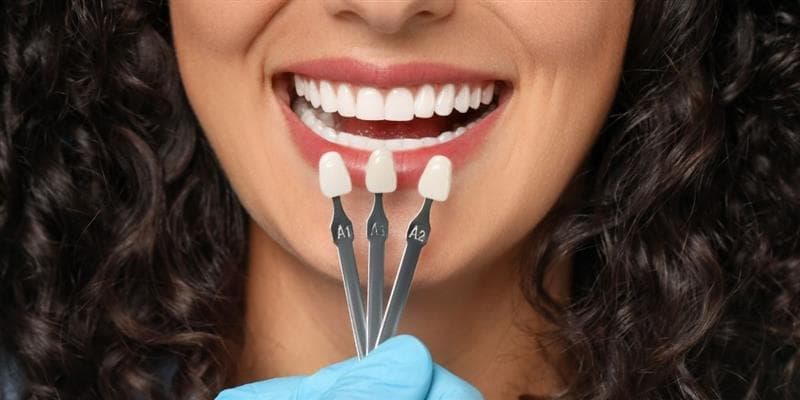
Dental veneers are thin restorations, typically made from porcelain or composite resin, designed to cover the front surface of a tooth. They are widely used in cosmetic and restorative dentistry to address concerns such as chipped, discoloured, or slightly misaligned teeth. For patients considering how veneers compare with other restorations, our guide on dental veneers and crowns for short or worn teeth provides a helpful comparison.
Porcelain veneers are crafted in a dental laboratory to match the natural shade and shape of your surrounding teeth. Composite veneers, on the other hand, can often be applied directly in a single appointment. Both types aim to provide a natural-looking result that blends with your existing smile.
Veneers work by bonding securely to the prepared tooth surface, effectively masking damage and restoring the tooth's visual appearance. They are generally considered a conservative option because they require relatively minimal alteration to the underlying tooth structure compared to some other restorations.
It is worth noting that veneers are primarily designed to address surface-level concerns. They are not a structural repair in the same way that a crown or other restoration might be, which is why the type and severity of a break play a significant role in determining whether veneers are appropriate.
Understanding How Teeth Break: The Dental Science
To understand why treatment options differ depending on the type of break, it helps to know a little about tooth structure.
Each tooth is made up of several layers. The outermost layer is enamel, the hardest substance in the human body. Beneath the enamel sits dentine, a slightly softer layer that forms the bulk of the tooth. At the centre is the pulp, which contains nerves and blood vessels.
When a tooth breaks, the severity is largely determined by which layers are affected:
-
• Enamel-only chips — These are superficial and often cause no pain. They may be suitable for cosmetic treatments such as veneers or bonding.
-
• Breaks extending into dentine — These can cause sensitivity and may require more substantial restoration.
-
• Fractures reaching the pulp — These are more serious and may involve infection risk, potentially requiring root canal treatment before any restoration.
The location of the break also matters. Front teeth with minor chips are often good candidates for veneers, whereas back teeth (molars) that endure significant chewing forces may need stronger restorations. Understanding this anatomy helps explain why a dental examination is essential before deciding on any treatment approach.
When Veneers May Be Appropriate for a Broken Tooth
Veneers may be considered when the damage to a tooth is relatively contained and primarily affects its appearance. Situations where veneers are sometimes recommended include:
-
• Small chips on front teeth that affect the smile line
-
• Minor cracks that do not extend deep into the tooth structure
-
• Surface fractures where the underlying tooth remains healthy and structurally sound
In these cases, a veneer can effectively restore the tooth's shape, colour, and appearance without the need for more invasive treatment. Many patients find that porcelain veneers, in particular, provide a durable and aesthetically pleasing result.
However, it is important to understand that veneers are not universally suitable for all types of broken teeth. If the break is extensive, if a significant portion of the tooth structure has been lost, or if the pulp has been exposed, alternative treatments are likely to be more appropriate. A dentist will assess the specific circumstances during a clinical examination to recommend the most suitable option.
The decision to place a veneer also depends on factors such as your bite alignment, whether you grind your teeth, and the overall condition of the tooth receiving the veneer.
Alternative Treatments for Broken Teeth
Depending on the nature and extent of the damage, several other treatment options may be considered alongside or instead of veneers:
Dental Bonding
For very minor chips, composite bonding involves applying tooth-coloured resin directly to the damaged area. This is often a quicker and less invasive option that can be completed in a single visit. Bonding may be particularly suitable for small cosmetic imperfections.
Dental Crowns
When a tooth has sustained more significant structural damage, a dental crown may be recommended. Crowns cover the entire visible portion of the tooth, providing both protection and restored function. They are generally more robust than veneers and can withstand greater biting forces.
Root Canal Treatment
If the break has exposed the tooth's pulp or if infection has developed, root canal treatment may be necessary before any external restoration can be placed. This involves removing the affected pulp tissue and sealing the tooth internally.
Dental Implants
In cases where a tooth is too severely damaged to be saved, extraction followed by a dental implant may be considered as a longer-term replacement option.
Each of these treatments serves a different purpose, and the most appropriate choice depends entirely on a thorough clinical assessment of the individual tooth and surrounding structures.
Factors That Influence Treatment Suitability
Several factors play a role in determining whether veneers or an alternative treatment may be the most suitable approach for a broken tooth:
-
• Extent of the break — Minor surface chips may respond well to veneers, whilst deeper fractures may require crowns or other interventions.
-
• Tooth location — Veneers are most commonly placed on front teeth. Back teeth, which bear more chewing force, often benefit from stronger restorations.
-
• Remaining tooth structure — Sufficient healthy tooth structure must be present for a veneer to bond effectively.
-
• Gum health — Healthy gums are important for the success and longevity of any dental restoration.
-
• Bite and alignment — Habits such as teeth grinding (bruxism) or a misaligned bite can affect the durability of veneers.
-
• Patient preferences — Some patients prioritise aesthetics, whilst others may focus on long-term durability. A dentist can help explain the trade-offs associated with each option.
Understanding these factors highlights why a one-size-fits-all answer is not possible when it comes to treating broken teeth. What works well for one patient may not be the most suitable option for another.
When Professional Dental Assessment May Be Needed
If you have broken a tooth, it is generally advisable to arrange a dental appointment, even if the damage appears minor. Certain signs may indicate that prompt assessment is particularly important:
-
• Pain or sensitivity when eating, drinking, or breathing in cold air
-
• Visible damage such as a noticeable chip, crack, or missing portion of tooth
-
• Swelling or redness around the affected tooth or gum area
-
• Discolouration of the tooth following the break
-
• A sharp or rough edge that is irritating your tongue, cheek, or lip
-
• Difficulty chewing or discomfort when biting down
These symptoms do not necessarily indicate a serious problem, but they do suggest that a clinical examination would be beneficial. A dentist can assess the extent of the damage, check for any underlying concerns, and discuss appropriate treatment options based on your individual circumstances.
If you are unsure about what to expect during an appointment, the video below provides a helpful overview:
Prevention and Oral Health Advice
Whilst not all dental injuries can be prevented, there are practical steps that may help reduce the risk of breaking a tooth:
-
• Wear a mouthguard during contact sports or high-risk physical activities. Custom-fitted mouthguards from a dentist typically offer better protection than over-the-counter options.
-
• Avoid using teeth as tools — Opening packaging, biting nails, or chewing on hard objects such as pen lids or ice can increase the risk of chips and fractures.
-
• Maintain regular dental check-ups — Routine examinations allow your dentist to identify weakened teeth, cracks, or areas of concern before they develop into more significant problems.
-
• Practice good oral hygiene — Brushing twice daily with fluoride toothpaste and cleaning between teeth helps maintain strong, healthy tooth structure.
-
• Be mindful of hard foods — Biting directly into very hard foods such as toffees, hard sweets, or unpopped popcorn kernels can sometimes cause unexpected damage.
-
• Address teeth grinding — If you clench or grind your teeth, particularly at night, speak with your dentist about whether a protective night guard may be appropriate.
Taking a proactive approach to oral health can help protect your teeth and reduce the likelihood of needing restorative treatment in the future.
Key Points to Remember
-
• Veneers may be suitable for minor chips or cracks on front teeth, but they are not appropriate for all types of broken teeth.
-
• The most appropriate treatment for a broken tooth depends on the extent of the damage, the tooth's location, and your overall oral health.
-
• Alternative treatments such as bonding, crowns, or root canal treatment may be more appropriate for more significant breaks.
-
• A clinical dental examination is essential to determine the most suitable approach for your individual situation.
-
• Prompt dental assessment is generally advisable following any tooth breakage, even if symptoms appear mild.
-
• Preventative measures such as wearing a mouthguard and maintaining good oral hygiene can help reduce the risk of dental injuries.
Frequently Asked Questions
Can veneers fix a badly broken tooth?
Veneers are generally designed for minor cosmetic damage such as small chips or surface cracks. If a tooth is badly broken, with significant structural loss or pulp exposure, a veneer alone is unlikely to provide adequate restoration. In such cases, a dental crown, root canal treatment, or other intervention may be more appropriate. The extent of the damage must be assessed clinically to determine the most appropriate course of action. Your dentist will be able to explain which options may be suitable based on the specific condition of the affected tooth.
How long do veneers last on broken teeth?
The longevity of veneers varies depending on factors such as the material used, oral hygiene habits, and lifestyle considerations. Porcelain veneers typically last between 10 and 15 years, although some may last longer with proper care. Composite veneers generally have a shorter lifespan, often around 5 to 7 years. Regular dental check-ups, avoiding excessive force on the veneers, and maintaining good oral hygiene all contribute to their durability. It is worth discussing expected longevity with your dentist, as individual results can differ. For more detailed information, see our guide on how long veneers last.
Are veneers painful to have fitted?
The process of having veneers fitted is generally not considered painful. A small amount of enamel is usually removed from the front surface of the tooth to create space for the veneer, and this is typically carried out under local anaesthetic to ensure comfort. Some patients may experience mild sensitivity following the procedure, but this usually resolves within a few days. Your dentist will explain the process in detail beforehand and ensure you are comfortable throughout. If you have concerns about dental anxiety, these can be discussed at your appointment.
Is it better to get a crown or a veneer for a broken tooth?
The choice between a crown and a veneer depends largely on the extent of the damage. Veneers cover only the front surface of a tooth and are suited to minor cosmetic damage. Crowns encase the entire visible portion of the tooth and provide greater structural support, making them more appropriate for teeth with significant breakage. A dentist will assess the remaining tooth structure, the location of the tooth, and your overall oral health before recommending one option over the other. Both treatments have their own advantages depending on the clinical situation.
Can a broken tooth heal on its own?
Unlike bones, teeth cannot regenerate or heal themselves once the enamel or dentine has been fractured. A broken tooth will generally require some form of dental treatment to restore its appearance, function, and protection against further damage or infection. Even if a chip or crack seems small and is not causing pain, it is still advisable to have it assessed by a dentist. Untreated breaks can sometimes worsen over time, leading to more complex and costly treatment later. Early assessment is usually beneficial.
How quickly should I see a dentist after breaking a tooth?
It is generally advisable to contact your dental practice as soon as possible after breaking a tooth. If there is significant pain, bleeding, or swelling, or if a large portion of the tooth has broken away, seeking prompt attention is particularly important. For smaller chips that are not causing immediate discomfort, arranging an appointment within a few days is usually sensible. In the meantime, you can rinse gently with warm water and avoid chewing on the affected side. Your dentist will assess the situation and advise on the most appropriate next steps.
Conclusion
Veneers can be an effective option for restoring the appearance of teeth with minor chips or surface cracks, particularly on front teeth. However, they are not suitable for every type of broken tooth. The severity of the damage, the location of the tooth, the health of the remaining structure, and individual patient factors all play a role in determining the most appropriate treatment approach.
Understanding the range of options available — from dental bonding and veneers for broken teeth to crowns and other restorations — can help you feel better informed when discussing your care with a dental professional. Each treatment has its own advantages and limitations, and what may be suitable for one person's situation may not be the most appropriate fit for another.
If you have broken a tooth or have concerns about dental damage, seeking a professional assessment is an important first step. Dental symptoms and treatment options should always be assessed individually during a clinical examination. Early attention to dental injuries can often lead to simpler, more conservative treatment and help maintain your long-term oral health.
This content has been reviewed for clinical accuracy by the dental team at St Paul's Medical & Dental. All treatment information reflects current evidence-based dental practice.
This article has been produced for educational and informational purposes only. The content is intended to support general understanding of dental health topics and should not be considered a substitute for professional dental advice, diagnosis, or treatment. Every patient's oral health circumstances are unique, and individual symptoms, concerns, or treatment options should always be assessed during a clinical dental examination carried out by a qualified dental professional. No treatment outcomes are guaranteed, and the suitability of any dental procedure depends on a thorough individual assessment. Readers are encouraged to consult their dentist for personalised advice relating to their specific dental health needs. This content has been prepared in accordance with UK dental communication standards, including guidance from the General Dental Council (GDC), the Care Quality Commission (CQC), and the Advertising Standards Authority (ASA) CAP Code for healthcare communications.
Disclaimer
This article is for educational purposes only and is not a substitute for professional dental advice, diagnosis, or treatment. Individual conditions vary — please consult a qualified dental professional for personalised guidance. In a dental emergency, seek immediate professional care.








