How Long Do Veneers Last? Lifespan, Costs & What to Expect
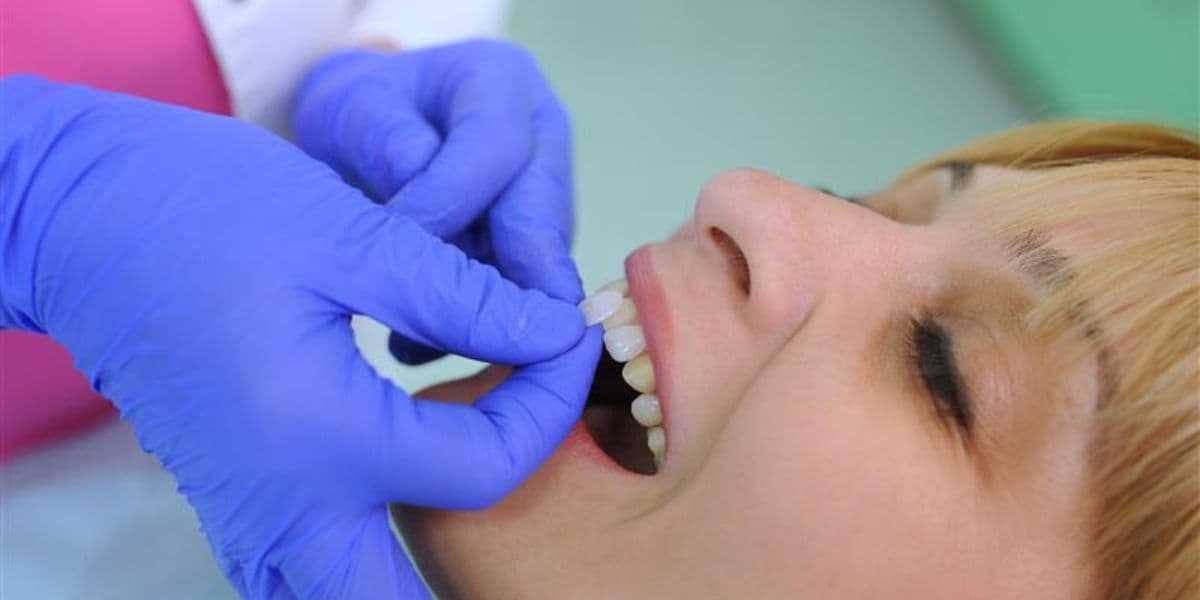
How long do veneers last? It is one of the most common questions patients ask before committing to cosmetic dental treatment. The honest answer is that it depends — on the type of veneer, the materials used, and how well they are looked after.
Dental veneers are one of the most popular ways to improve the appearance of your smile. Whether you are considering porcelain or composite options, understanding their expected lifespan, associated costs, and maintenance requirements is essential for making an informed decision.
This guide covers everything you need to know — from how long each type of veneer lasts, to UK pricing, and the steps you can take to make your veneers last as long as possible.
What Are Veneers?
So what are veneers exactly? Veneers are thin, custom-made coverings that are placed over the front surface of the teeth. They are designed to improve the shape, size, colour, and overall appearance of the smile — offering a natural-looking transformation.
There are two main types of dental veneers:
Porcelain veneers. Custom-made in a dental laboratory from high-quality porcelain. They are strong, stain-resistant, and closely mimic the translucency of natural teeth. Visit our porcelain veneers page for more detail.
Composite veneers. Made from a tooth-coloured composite resin, applied directly to the teeth in a single appointment. They are more affordable and can be repaired more easily but may not last as long as porcelain.
Both types can be used to correct chips, cracks, gaps, uneven edges, and discolouration. The best option for you depends on your goals, budget, and the condition of your teeth.
How Long Do Porcelain Veneers Last?
Porcelain veneers are widely regarded as the most durable cosmetic veneer option. With proper care, they typically last between 10 and 20 years. Some patients find their porcelain veneers last even longer, particularly when supported by good oral hygiene and regular dental check-ups.
Several factors contribute to their longevity:
Material strength. Porcelain is a hard-wearing, stain-resistant material that holds its colour and shape well over time.
Custom fabrication. Each veneer is individually crafted in a laboratory for a precise, secure fit.
Bonding quality. Modern dental adhesives create a strong bond between the porcelain and the tooth surface.
The porcelain veneers cost is higher than composite, but many patients consider it a worthwhile investment given the extended lifespan and superior aesthetics.
How Long Do Composite Veneers Last?
Composite veneers — sometimes referred to as composite bonding teeth — typically last between 5 and 10 years. While their lifespan is shorter than porcelain, they remain a popular choice for patients who want a more affordable, less invasive cosmetic improvement.
Key points to consider:
Staining. Composite resin is more prone to surface staining than porcelain, particularly from tea, coffee, and red wine.
Wear. The material can gradually chip or wear, especially on patients who grind their teeth.
Repairability. One key advantage is that composite veneers can be easily repaired or touched up without replacing the entire restoration.
The composite veneers cost is lower upfront, and the treatment can often be completed in a single visit. To learn more about this option, visit our composite bonding London page.
Veneers Before and After — Do Results Last?
When patients see veneers before and after images, the transformation can look dramatic. But it is natural to wonder whether those results hold up over time.
The good news is that with the right care, the aesthetic improvement from veneers can be maintained for many years. Here is what to expect:
Porcelain veneers retain their colour and lustre well. They are highly resistant to staining, so the original shade tends to hold for many years.
Composite veneers may develop minor surface staining or discolouration over time. However, this can often be addressed with professional polishing during routine hygiene visits.
Natural changes to the surrounding gum tissue and adjacent teeth can also affect the overall appearance over time. Regular check-ups help ensure your veneers continue to look and feel their best.
To see examples of cosmetic dental treatments, browse our Smile Gallery.
Veneers Cost UK — Does Price Affect Longevity?
Understanding the cost of dental veneers is an important part of the decision-making process. In the UK, the teeth veneers cost varies depending on the type of veneer, the number of teeth being treated, and the complexity of the case.
Veneers Price UK — Porcelain vs Composite
| Type | Cost Per Tooth | Expected Lifespan |
|---|---|---|
| Porcelain veneers | £500 to £1,200 | 10 to 20 years |
| Composite veneers | £150 to £400 | 5 to 10 years |
Does the veneers cost affect how long they last? Generally, yes. Porcelain veneers cost more upfront but tend to last significantly longer and require less maintenance over their lifetime. Composite veneers are a more affordable entry point but may need replacing sooner.
When comparing veneers price UK options, it is worth considering the total cost of ownership over time — not just the initial investment.
Pricing note: These are estimated UK price ranges and may vary depending on individual circumstances. For current fees and a personalised quote, view our treatment fees page or book a consultation.
Caps vs Veneers — What Lasts Longer?
Patients often ask about the difference between caps vs veneers. While both can improve the appearance of teeth, they serve different purposes and have different lifespans.
Caps (Crowns) vs Veneers — Key Differences
| Feature | Veneers | Caps (Crowns) |
|---|---|---|
| Coverage | Front surface only | Entire tooth |
| Primary purpose | Cosmetic improvement | Structural + cosmetic |
| Tooth preparation | Minimal enamel removal | More significant reduction |
| Typical lifespan | 10 to 20 years (porcelain) | 10 to 25 years |
| Best for | Healthy teeth needing cosmetic changes | Weakened, damaged, or heavily filled teeth |
In short, veneers are typically recommended when the tooth is structurally sound but the patient wants to improve its appearance. Caps (crowns) are better suited to teeth that have been weakened by decay, fractures, or large fillings and need full coverage for protection.
Your dental team can help determine which option is most appropriate based on the condition of your teeth and your cosmetic goals.
Factors That Affect How Long Veneers Last
Regardless of the type you choose, several factors influence how long your veneers will last:
Oral hygiene. Brushing twice daily, flossing, and attending regular hygiene appointments help keep both the veneers and the underlying teeth in good condition.
Teeth grinding (bruxism). Grinding or clenching places significant stress on veneers and can cause them to chip or crack. A custom night guard is strongly recommended for patients who grind their teeth.
Diet. Biting into very hard foods — such as ice, boiled sweets, or hard nuts — can damage veneers. A sensible approach to diet helps protect them.
Regular dental check-ups. Routine appointments allow your dental team to monitor the condition of your veneers and address any minor issues early — before they become bigger problems.
Lifestyle habits. Smoking and heavy consumption of staining foods or drinks can affect the appearance of composite veneers more than porcelain.
Veneers London — Choosing the Right Clinic
If you are searching for veneers London or veneers near me, choosing the right clinic is one of the most important decisions you can make. The quality of the treatment, the materials used, and the experience of the dental team all have a direct impact on how long your veneers will last and how natural they will look.
When choosing a clinic, consider the following:
Proper assessment. A thorough consultation should always come before any cosmetic treatment. This ensures the treatment plan is tailored to your individual needs.
Experience. Look for a dental team with demonstrable experience in cosmetic treatments, including both porcelain and composite veneer techniques.
Quality materials. The grade of porcelain and composite resin used can significantly affect the final result and durability. Premium materials generally deliver better outcomes.
CQC registration. In the UK, dental practices should be registered with the Care Quality Commission (CQC), which ensures they meet national standards of care and safety.
At St Paul's Medical & Dental, we offer cosmetic veneer consultations at our dental clinic in the City of London. Our team will help you explore your options and find the approach that best suits your goals.
How to Make Veneers Last Longer
Looking after your veneers does not require anything complicated. A few simple, consistent habits can help extend their lifespan significantly:
Wear a night guard. If you grind or clench your teeth, a custom-fitted night guard protects your veneers from excessive force while you sleep.
Avoid biting hard objects. Do not use your veneered teeth to open packaging, bite into ice, or chew pens. These habits can chip or fracture the material.
Attend regular hygiene appointments. Professional cleaning removes plaque and surface staining, helping your veneers maintain their appearance and reducing the risk of decay underneath.
Limit staining drinks. If you consume tea, coffee, or red wine regularly, rinse with water afterwards to minimise surface staining — particularly on composite veneers.
Maintain good daily hygiene. Brush with a soft-bristled brush, use interdental aids, and keep the gum line clean and healthy.
When Should Veneers Be Replaced?
Even with excellent care, veneers will eventually need to be replaced. Knowing when it is time to consider replacement helps you stay ahead of any issues:
Chips or cracks. Visible damage to the veneer surface — whether a minor chip or a more significant crack — may warrant repair or replacement.
Discolouration. Composite veneers can develop surface staining over time. If professional polishing no longer restores the original shade, replacement may be the best option.
Gum changes. As gum tissue naturally recedes with age, the margin of the veneer may become visible. This can create an uneven appearance that a new veneer can correct.
Loosening. If a veneer becomes loose or detaches, contact your dental team promptly. In many cases, it can be re-bonded or replaced without further complications.
Your dental team will monitor the condition of your veneers during routine check-ups and advise you when replacement is recommended.
Book a Veneers Consultation
Whether you are considering porcelain or composite veneers, the best starting point is a consultation. This gives your dental team the opportunity to assess your teeth, discuss your goals, and recommend the most suitable approach — with a clear breakdown of expected costs and timelines.
Book a consultation to take the first step towards a confident, natural-looking smile.
Frequently Asked Questions
How long do veneers last?
Porcelain veneers typically last between 10 and 20 years with proper care. Composite veneers generally last between 5 and 10 years. The exact lifespan depends on factors such as oral hygiene, diet, lifestyle habits, and whether a night guard is worn to protect against grinding.
Are porcelain veneers permanent?
Porcelain veneers are long-lasting but not technically permanent. They are considered an irreversible treatment because a thin layer of enamel is removed during preparation. However, the veneers themselves will eventually need to be replaced — typically after 10 to 20 years — due to normal wear, minor damage, or changes to the surrounding gum tissue.
How much do veneers cost UK?
In the UK, porcelain veneers typically cost between £500 and £1,200 per tooth. Composite veneers are more affordable, usually ranging from £150 to £400 per tooth. The final cost depends on the number of teeth being treated, the complexity of the case, and the materials used. A consultation is the best way to receive an accurate, personalised quote.
Are composite veneers cheaper?
Yes. Composite veneers are generally more affordable than porcelain veneers. They are applied directly in a single appointment and do not require laboratory fabrication, which keeps the cost lower. However, they may need to be replaced or maintained more frequently, so the long-term cost should also be considered.
Caps vs veneers — which is better?
Caps (dental crowns) and veneers serve different purposes. Veneers cover only the front surface of the tooth and are primarily cosmetic. Crowns encase the entire tooth and are used for both cosmetic improvement and structural restoration. Veneers are typically recommended for healthy teeth needing aesthetic improvement, while crowns are better suited to weakened, heavily filled, or damaged teeth.
Can veneers fall off?
Although uncommon, veneers can occasionally come loose or detach. This may happen due to trauma, biting into very hard foods, teeth grinding, or if the bonding weakens over time. If a veneer does come off, it can usually be re-bonded or replaced. Contact your dental team as soon as possible if this occurs.
Do veneers damage natural teeth?
Porcelain veneers require a thin layer of enamel to be removed, which means the process is irreversible. However, the amount of tooth structure removed is minimal. Composite veneers typically require little to no enamel removal, making them a more conservative and potentially reversible option. Neither type should cause damage to the underlying tooth when placed by an experienced dental team.
Disclaimer
This article is for educational purposes only and is not a substitute for professional dental advice, diagnosis, or treatment. Individual conditions vary — please consult a qualified dental professional for personalised guidance. In a dental emergency, seek immediate professional care.








