Types of Tooth Discoloration and What They Mean: A Complete Patient Guide
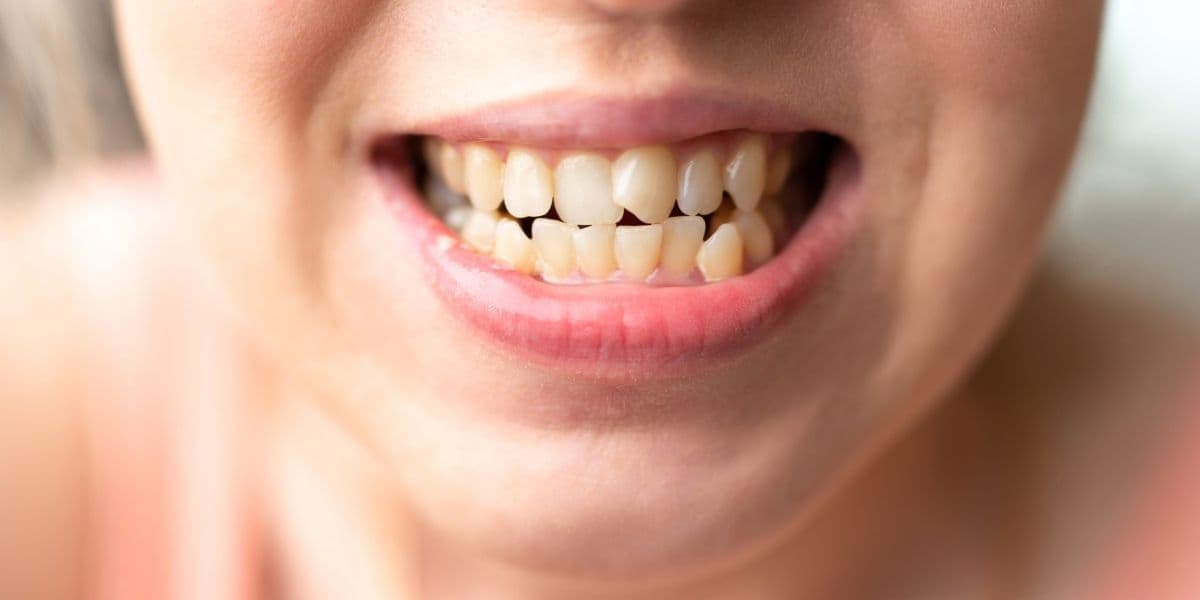
Tooth discoloration is one of the most common concerns patients raise with their dentist. Whether it is a general yellowing, a dark spot, or an unexplained white patch, changes in tooth colour can affect how you feel about your smile.
The colour of our teeth can change for many reasons. Everyday habits, age, medications, trauma, and underlying health conditions can all play a role. Some changes are purely cosmetic, while others may signal something that needs attention.
Understanding what type of discoloration you have is the first step toward effective treatment. The good news is that most tooth discoloration can be improved — and sometimes significantly — with the right professional care.
Our team at St Paul's Medical & Dental regularly helps patients in the City of London achieve brighter, healthier smiles.
1
The Science of Tooth Colour – What Determines Natural Shade
Teeth are made up of several layers, and each one contributes to the overall colour you see when you smile.
The outermost layer is enamel. It is the hardest substance in the human body, but it is actually semi-translucent with a bluish-white hue. Enamel does not have much colour of its own — instead, it allows the colour of the layer beneath to show through.
That underlying layer is dentin. Dentin is naturally yellow to light brown in colour, and its shade varies from person to person. The thicker your enamel, the less dentin colour shows through. The thinner the enamel, the more yellow or dark the tooth appears.
This is why everyone has a slightly different natural tooth shade, and why teeth naturally become darker with age. As enamel wears down over the years, more of the underlying dentin shows through, giving teeth a warmer, yellower appearance.
2
Three Main Categories of Tooth Discoloration
Dental professionals classify tooth discoloration into three main categories. Understanding which type you have is essential for choosing the right treatment.
-
Extrinsic stains – Discoloration on the outer surface of the tooth. These are caused by external substances and are generally the easiest to treat.
-
Intrinsic stains – Discoloration within the tooth structure itself. These occur when the inner layers of the tooth change colour and require more advanced treatment.
-
Age-related stains – A combination of both extrinsic and intrinsic factors. Years of surface staining combined with natural enamel thinning create a cumulative darkening effect.
Why does classification matter? Because treatment that works brilliantly for surface stains may have little effect on intrinsic discoloration. Accurate diagnosis guides effective results.
3
Extrinsic Stains – Surface-Level Discoloration
Extrinsic stains sit on the outer surface of the enamel. They are caused by pigmented substances that stick to the tooth surface or become trapped in the plaque film that forms on teeth.
These stains develop gradually over time. You may not notice them day to day, but over months and years, the cumulative effect becomes visible — often as a general yellowing or brownish tinge.
The good news is that extrinsic stains are the most treatable type of discoloration. Professional cleaning can remove much of the buildup, and whitening treatments can be very effective against surface staining.
Regular visits with a dental hygienist can prevent and remove surface stains, keeping your smile looking its best between whitening treatments.
4
Common Causes of Extrinsic Stains
The substances we consume and our daily habits are the primary drivers of surface-level tooth staining.
-
Food and drinks – Coffee, tea, red wine, dark berries, curry, and soy sauce are among the most common culprits. Their strong pigments adhere to enamel.
-
Tobacco use – Both smoking and chewing tobacco cause stubborn brown or yellowish stains that worsen over time.
-
Poor oral hygiene – When plaque is not removed effectively, it traps pigments from food and drink against the tooth surface, accelerating staining.
-
Chlorhexidine mouthwashes – Long-term use of prescription-strength chlorhexidine mouthwash can cause brown staining.
-
Iron supplements – Particularly liquid forms, which can leave dark deposits on teeth.
5
Intrinsic Stains – Discoloration Within the Tooth
Intrinsic stains originate within the tooth structure itself. They affect the dentin or the internal layers of enamel, making them significantly harder to treat than surface stains.
These stains can develop during tooth formation (before the tooth erupts) or after the tooth is fully developed, due to trauma, decay, or other factors.
Because the discoloration is inside the tooth, standard cleaning and surface whitening may not be effective. More advanced approaches are often needed.
Explore cosmetic dentistry options that can address intrinsic staining and help restore a natural, even tooth colour.
6
Common Causes of Intrinsic Stains During Tooth Development
Certain factors during childhood — and even before birth — can affect the colour of the teeth as they form.
-
Tetracycline antibiotics – Taken during childhood or by a mother during pregnancy, these antibiotics can become incorporated into developing teeth, causing grey, brown, or banded staining.
-
Excessive fluoride (fluorosis) – Too much fluoride during childhood can cause white spots, streaks, or in severe cases, brown pitting on the enamel.
-
High fever or illness during tooth formation – Disruptions during enamel development can cause permanent discoloration or defects.
-
Nutritional deficiencies – Lack of key vitamins and minerals during tooth development affects enamel quality and colour.
-
Genetic conditions – Conditions such as amelogenesis imperfecta and dentinogenesis imperfecta affect enamel or dentin formation, causing inherent discoloration.
7
Common Causes of Intrinsic Stains After Tooth Development
Even fully developed teeth can develop intrinsic discoloration from events that occur after they have erupted.
-
Trauma or injury – A knock to a tooth can cause bleeding inside the tooth structure. As the blood breaks down, it stains the dentin grey or dark brown.
-
Root canal treatment – A tooth may gradually darken after root canal therapy as the internal structure changes over time.
-
Tooth decay – Decay often starts as white spots from demineralisation, then progresses to brown and eventually black as the damage deepens.
-
Old dental restorations – Amalgam fillings can cause a greyish discoloration in the surrounding tooth structure over many years.
-
Ageing – The natural thinning of enamel combined with decades of stain accumulation creates a gradual darkening effect.
Learn about root canal treatment and how it can affect tooth colour over time.
8
What Different Tooth Colours Mean
The colour of the discoloration can offer helpful clues about its cause and how best to treat it.
-
Yellow teeth – Often caused by enamel thinning (revealing yellow dentin beneath), age-related changes, or surface staining from food, drink, and tobacco.
-
Brown teeth – Typically caused by heavy staining from tobacco or dark-coloured foods, active or arrested decay, or tartar buildup.
-
Grey teeth – Often the result of trauma causing internal bleeding, or darkening following root canal treatment.
-
White spots – May indicate fluorosis, early-stage decay (demineralisation), or enamel hypoplasia.
-
Black teeth – Usually indicates advanced decay or old amalgam restorations showing through the tooth structure.
-
Purple or blue teeth – Rare, and can indicate internal trauma or certain systemic conditions.
9
Yellow Teeth – The Most Common Concern
Yellow teeth are the single most common reason patients ask about cosmetic treatment. The causes range from simple surface staining to natural age-related changes.
Extrinsic yellowing — from coffee, tea, wine, and tobacco — typically responds well to professional whitening. Intrinsic yellowing, caused by enamel thinning with age, can also be improved, although the results depend on the extent of the change.
Treatment options include professional teeth whitening, composite bonding, and porcelain veneers for more dramatic transformations. Prevention strategies include reducing staining foods and maintaining excellent oral hygiene.
Our teeth whitening treatments can effectively address yellow discoloration and help you achieve a noticeably brighter smile.
10
Brown Spots and Patches – What They Indicate
Brown spots on teeth can have several different causes, and the right response depends on what is behind them.
Heavy staining from tobacco, coffee, and tea is the most common cause. These surface stains can usually be removed with professional cleaning and prevented from returning with improved hygiene.
However, brown spots can also indicate old or arrested decay, tartar buildup that has become stained, or enamel hypoplasia where the enamel has not formed properly.
If a brown spot appeared recently, is growing, or is accompanied by sensitivity, it should be assessed by your dentist to rule out active decay.
11
Grey Teeth – Trauma and Root Canal Darkening
A tooth that turns grey is often telling a specific story. In most cases, it indicates that something has happened to the blood supply inside the tooth.
Trauma — from a fall, sports injury, or accident — can cause bleeding within the tooth. As the blood breaks down, it releases compounds that stain the dentin from within. This process can take weeks, months, or even years to become noticeable.
Teeth that have had root canal treatment may also darken over time. The tooth is no longer alive and can gradually change shade.
Treatment options for grey teeth include internal bleaching (for root canal-treated teeth), porcelain veneers, and dental crowns. Standard external whitening is generally less effective on grey discoloration.
View patient examples in our smile gallery to see how grey and discoloured teeth have been restored to a natural appearance.
12
White Spots on Teeth – Fluorosis and Enamel Issues
White spots on teeth can be confusing. They look like the tooth is lighter in those areas, but they actually indicate an underlying issue with the enamel.
-
Fluorosis – Excessive fluoride during childhood causes chalky white patches or faint streaks on the enamel surface.
-
Enamel hypoplasia – Underdeveloped enamel results in opaque white areas that may also have a rough texture.
-
Early decay (demineralisation) – The first sign of decay is often a white spot where minerals have been lost from the enamel.
-
After orthodontic treatment – White spots can appear where brackets were bonded if plaque was not well controlled during treatment.
Treatment options for white spots include microabrasion, carefully managed whitening to blend the surrounding colour, and composite bonding for more prominent areas.
13
Tetracycline Stains – A Distinctive Pattern
Tetracycline staining is one of the most recognisable forms of intrinsic discoloration. It produces distinctive horizontal banding or stripes across the teeth, typically in shades of dark grey, brown, or blue-grey.
This staining occurs when tetracycline antibiotics are taken during tooth development — either by a child during the years teeth are forming or by a mother during pregnancy. The antibiotic becomes incorporated into the developing tooth structure.
Tetracycline stains are notoriously resistant to traditional whitening. While prolonged whitening courses can lighten them to some degree, the results are often limited.
For significant tetracycline staining, porcelain veneers, crowns, or composite bonding are usually the most effective treatment options, providing complete and lasting coverage.
14
Age-Related Discoloration – Why Teeth Darken Over Time
As we age, tooth colour changes are inevitable. This is a natural process driven by a combination of extrinsic and intrinsic factors working together over decades.
Enamel naturally thins with years of use. As this protective outer layer wears down, more of the darker dentin beneath shows through. At the same time, the dentin itself can darken with age.
On top of these internal changes, decades of exposure to staining foods, drinks, and habits accumulate on the surface, adding to the overall darkening.
Treatment approaches for age-related discoloration include professional cleaning to remove surface stains, whitening to brighten the overall shade, and cosmetic options such as veneers for a more comprehensive transformation.
15
When Discoloration Signals a Dental Problem
While much tooth discoloration is cosmetic, some colour changes can indicate an underlying dental issue that needs attention.
-
White spots turning brown – This may indicate early decay progressing to established decay.
-
Sudden darkening of a single tooth – Could indicate nerve damage or internal bleeding from trauma.
-
Black areas – Very likely to indicate advanced decay that requires prompt treatment.
-
Spreading discoloration – Any colour change that appears to be growing or spreading warrants professional investigation.
Book a dental examination to rule out underlying issues and get a clear diagnosis of what is causing your tooth colour changes.
16
Professional Treatment Options for Tooth Discoloration
The right treatment depends entirely on the type and cause of your discoloration. Here is an overview of the main professional options available.
-
Professional cleaning – Removes surface stains, calculus, and plaque that dull the appearance of teeth.
-
Teeth whitening – Uses bleaching agents to lighten the overall shade. Most effective on extrinsic and some intrinsic stains.
-
Microabrasion – Gently removes a thin layer of enamel to eliminate superficial white spots and surface defects.
-
Composite bonding – Tooth-coloured resin is applied to cover stains, reshape teeth, and create a uniform appearance.
-
Veneers – Thin porcelain shells bonded to the front of teeth, covering even severe discoloration permanently.
-
Crowns – For severely discoloured or structurally compromised teeth, a crown provides complete coverage and protection.
17
Professional Teeth Whitening – What It Can and Can't Do
Professional teeth whitening is one of the most popular cosmetic dental treatments, and for good reason. When used for the right type of staining, it can deliver noticeable results.
-
Best for – Yellow and brown extrinsic stains from food, drink, and tobacco.
-
Limited effect on – Grey teeth from trauma or root canal treatment.
-
Not effective on – White spots, which may actually become more noticeable after whitening.
-
Resistant stains – Tetracycline banding is very difficult to lighten with whitening alone.
Treatment options include custom take-home tray systems and in-chair whitening, each with different advantages. Results vary by the type of discoloration, which is why a professional assessment is always recommended first.
18
Composite Bonding for Stained Teeth
Composite bonding is a versatile cosmetic treatment that can address many types of tooth discoloration, particularly when whitening is not suitable.
The process involves applying tooth-coloured composite resin directly to the tooth surface. The material is sculpted and shaped to cover stains, fill imperfections, and create a natural, even appearance.
Bonding is ideal for localised stains, white spots, and small areas of discoloration. It is typically completed in a single visit and matches the surrounding tooth colour closely.
The results are durable but may need maintenance over time. With proper care, composite bonding typically lasts five to ten years.
Learn about composite bonding and how it can help restore the appearance of stained or uneven teeth.
19
Veneers and Crowns for Severe Discoloration
When whitening and bonding are not enough to achieve the desired result, veneers and crowns provide a more comprehensive and lasting solution.
Porcelain veneers are thin shells custom-made to fit over the front surface of teeth. They cover even the most severe discoloration, including tetracycline staining, grey teeth from trauma, and deep intrinsic stains.
Crowns are used when a tooth is both heavily discoloured and structurally compromised. A crown covers the entire visible tooth, restoring both appearance and strength.
Both options are custom colour-matched to create a natural, harmonious smile. The results are designed to be durable and more resistant to future staining.
20
Preventing Tooth Discoloration – Daily Habits
While not all discoloration can be prevented, these daily habits can significantly reduce surface staining and protect your tooth colour.
-
Brush twice daily with fluoride toothpaste – Removes plaque before it traps staining pigments against the enamel.
-
Floss daily – Removes plaque and debris from between teeth where stains can build up unseen.
-
Rinse with water after staining foods and drinks – A quick rinse helps wash away pigments before they settle.
-
Use a straw for dark beverages – Reduces direct contact between staining liquids and your front teeth.
-
Avoid tobacco – Smoking and chewing tobacco cause some of the most stubborn and pervasive tooth stains.
-
Attend regular dental cleanings – Professional cleaning removes surface stains that home care misses.
-
Limit sugary and acidic foods – Acids erode enamel, making teeth more vulnerable to staining.
21
When to See a Dentist About Tooth Discoloration
While many people live with tooth discoloration without concern, there are times when a professional assessment is important.
-
The discoloration bothers you aesthetically – Your confidence and comfort with your smile matter. There is no need to live with staining if treatment is available.
-
Sudden colour change in one tooth – This may indicate trauma, nerve damage, or internal issues that need investigation.
-
Dark spots that might be decay – Any new dark area on a tooth should be assessed to rule out active decay.
-
Pain accompanying discoloration – Colour changes combined with pain or sensitivity suggest an underlying problem.
-
Before using over-the-counter whitening products – A professional assessment ensures you choose the right approach and avoid potential harm.
?
Frequently Asked Questions About Tooth Discoloration
Can yellow teeth become white again?
Yes, in most cases. Yellow teeth caused by surface stains from food, drink, or smoking typically respond well to professional teeth whitening and hygienist cleaning. If the yellowing is caused by enamel thinning with age, whitening can still improve the shade, although results depend on how much enamel remains. Your dentist can advise on the best approach for your situation.
Why are my teeth turning grey?
Grey teeth are most commonly caused by trauma or injury to the tooth, which can cause bleeding inside the tooth structure. The blood breakdown products stain the dentin from within. Root canal-treated teeth may also darken to grey over time. Grey discoloration is usually intrinsic and may require treatments such as internal bleaching, veneers, or crowns rather than standard whitening.
What causes white spots on teeth?
White spots can be caused by fluorosis (excessive fluoride during childhood), enamel hypoplasia (underdeveloped enamel), early tooth decay (demineralisation), or orthodontic treatment. The cause determines the best treatment, which may include microabrasion, composite bonding, or carefully managed whitening to blend the surrounding tooth colour.
Does teeth whitening work on all stains?
No. Professional teeth whitening is most effective on yellow and brown extrinsic stains caused by food, drink, and tobacco. It has limited effect on grey teeth caused by trauma or root canal treatment, and it does not improve white spots — it may actually make them more noticeable. Tetracycline stains are also resistant to standard whitening. Your dentist can recommend the right treatment for your specific type of discoloration.
How much does professional whitening cost?
The cost of professional teeth whitening varies depending on the type of treatment chosen. In-chair whitening and custom take-home tray systems have different price points. It is best to book a consultation so your dentist can assess your teeth, discuss realistic outcomes, and provide an accurate quote based on your needs.
Can decay cause tooth discoloration?
Yes. Tooth decay often begins as white spots on the enamel surface, caused by demineralisation. As decay progresses, these areas turn brown and eventually black. A dark spot on a tooth that was not there before should be assessed by a dentist to determine whether active decay is present.
Are stained teeth weaker?
Not necessarily. Surface stains from food, drink, or tobacco do not weaken the tooth structure. However, some types of discoloration do indicate structural issues. White spots from enamel hypoplasia mean the enamel is thinner and more vulnerable. Discoloration from decay indicates active damage. A dental assessment can determine whether your staining is cosmetic or structural.
How long does composite bonding last for stains?
Composite bonding typically lasts five to ten years with proper care. It can stain over time from coffee, tea, and other pigmented substances, so maintaining good oral hygiene and attending regular dental visits helps extend its lifespan. Your dentist can polish or replace bonding as needed to maintain your smile.
Disclaimer
This article is for educational purposes only and is not a substitute for professional dental advice, diagnosis, or treatment. Individual conditions vary — please consult a qualified dental professional for personalised guidance. In a dental emergency, seek immediate professional care.








