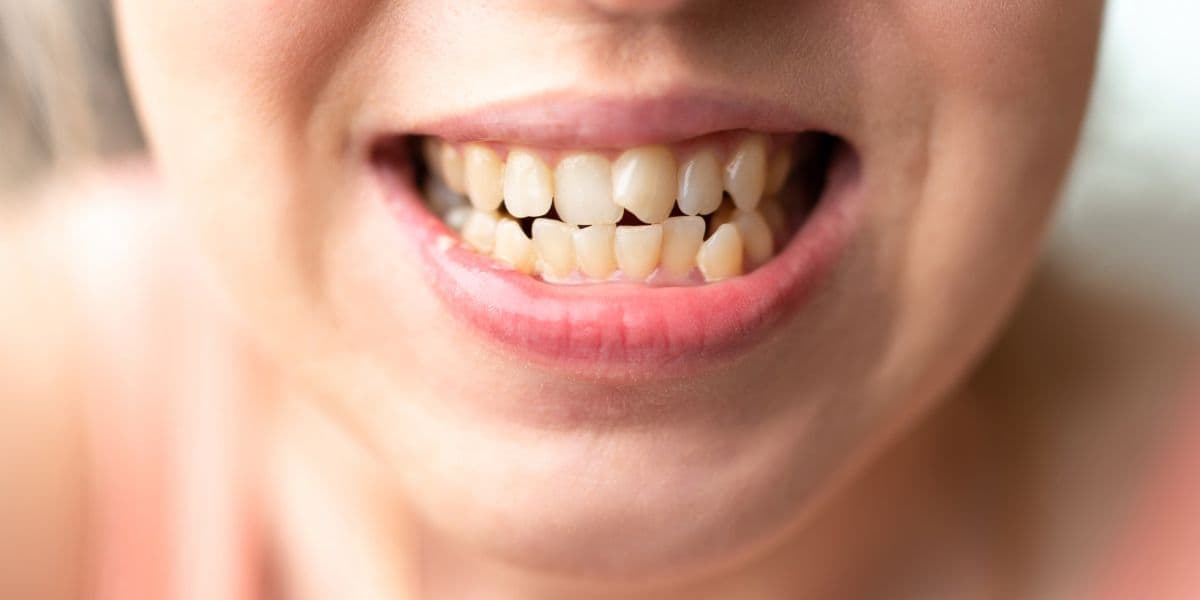
Many patients who attend regular dental check-ups and receive the welcome news that they have no cavities often wonder whether a professional dental cleaning is still necessary. It is a common and entirely reasonable question. If there are no visible signs of decay, it can feel as though everything is perfectly fine and that a cleaning appointment might be an unnecessary step.
This is one of the most frequently searched dental questions online, and it reflects a widespread misunderstanding about what professional cleaning actually achieves. The truth is that professional dental cleaning addresses far more than cavities alone. Oral health encompasses the condition of your gums, the accumulation of plaque and tartar, and the early detection of concerns that may not yet be causing any noticeable symptoms.
Understanding why professional cleaning matters — even in the absence of cavities — can help you make more informed decisions about your ongoing dental care. This article explores the purpose of professional cleaning, what happens beneath the gumline, and why regular hygiene appointments play an important role in long-term oral health. If you have specific concerns, a professional dental assessment can provide personalised guidance.
Is Professional Cleaning Necessary If You Have No Cavities?
Yes, professional dental cleaning is necessary even without cavities. Professional cleaning removes plaque and hardened tartar that regular brushing cannot reach, particularly below the gumline. It helps prevent gum disease, reduces the risk of future decay, and allows your dental team to identify early signs of oral health concerns before they progress. Cavities are only one aspect of overall dental health.
Why Cavities Are Not the Only Measure of Oral Health
When most people think about dental health, they tend to focus on whether or not they have cavities. Whilst cavities are certainly an important concern, they represent only one part of a much broader picture. Your oral health also depends on the condition of your gums, the integrity of existing dental restorations, the health of the bone supporting your teeth, and the overall balance of bacteria in your mouth.
It is entirely possible to have no cavities and still be developing early-stage gum disease, also known as gingivitis. Gum disease in its early stages often presents with very few noticeable symptoms. You might experience occasional bleeding when brushing or mild redness around the gumline, but many patients overlook these signs or consider them normal.
Professional cleaning appointments allow your dental hygienist to assess these less obvious aspects of your oral health. By removing built-up tartar and carefully examining your gum tissues, your dental team can identify concerns at an early stage, when they are typically easier to manage. Relying solely on the absence of cavities as an indicator of good oral health may mean that other important conditions go unnoticed.
What Happens During a Professional Dental Cleaning?
A professional dental cleaning, often referred to as a scale and polish, involves the careful removal of plaque and calculus (hardened tartar) from the surfaces of your teeth. Your dental hygienist uses specialised instruments to clean areas that are difficult to reach with a standard toothbrush and floss, including the spaces between teeth and just below the gumline.
The appointment typically begins with an assessment of your gum health. Your hygienist may measure the depth of the pockets around your teeth to check for signs of gum inflammation or recession. Following this, scaling is carried out to remove tartar deposits. The teeth are then polished to smooth the enamel surfaces, which can help reduce future plaque accumulation.
In some cases, your hygienist may also provide advice on brushing technique, flossing methods, and the use of interdental aids. This personalised oral hygiene guidance is an important part of preventative dental care. If you are interested in learning more about what a hygiene appointment at St Paul's involves, our team can provide further details during your visit.
The Science Behind Plaque and Tartar Build-Up
To understand why professional cleaning remains important even without cavities, it helps to know a little about how plaque and tartar develop. Plaque is a soft, sticky film of bacteria that forms naturally on the surfaces of your teeth throughout the day. When you eat or drink, the bacteria in plaque produce acids that can attack tooth enamel. Over time, this acid exposure may contribute to the development of cavities.
However, plaque does not only affect the enamel. When plaque accumulates along and beneath the gumline, it triggers an inflammatory response in the surrounding gum tissues. If left undisturbed, plaque hardens into tartar (also known as calculus) within approximately 24 to 72 hours. Once tartar has formed, it cannot be removed by brushing or flossing at home — it requires professional removal with dental instruments.
Tartar that builds up below the gumline is particularly concerning because it creates a rough surface where further bacteria can accumulate. This ongoing bacterial presence can lead to progressive gum inflammation, which, if untreated, may develop into periodontitis — a more advanced form of gum disease that can affect the bone supporting your teeth. For more on this topic, see our article on whether professional cleaning damages tooth enamel.
How Gum Disease Can Develop Without Cavities
Gum disease is one of the most common oral health conditions in adults, and it frequently develops without any accompanying cavities. In its earliest stage, gingivitis, the gums may appear slightly red or swollen and may bleed during brushing or flossing. Many patients dismiss these symptoms as insignificant, particularly if they have been told their teeth are cavity-free.
If gingivitis is not addressed, it can progress to periodontitis. At this stage, the inflammation extends deeper, potentially affecting the bone and ligaments that hold your teeth in place. Periodontitis can lead to gum recession, tooth mobility, and, in more advanced cases, tooth loss. The progression of gum disease is often gradual and may not cause significant discomfort until it has reached a more advanced stage.
Regular professional cleaning plays a key role in managing gum health by removing the bacterial deposits that drive this inflammatory process. For patients who may already be experiencing signs of gum concerns, a periodontal assessment can help determine the most appropriate approach to care. Early identification and management of gum disease can make a meaningful difference to long-term oral health outcomes.
When Professional Dental Assessment May Be Needed
While routine professional cleaning is recommended for most adults, there are certain situations where seeking a dental assessment sooner rather than later may be particularly important. Being aware of these signs can help you take timely action to protect your oral health.
You may wish to consider arranging a dental appointment if you notice:
- Bleeding gums when brushing, flossing, or eating
- Persistent bad breath that does not improve with oral hygiene
- Gum recession or teeth that appear longer than before
- Sensitivity to hot, cold, or sweet foods and drinks
- Loose teeth or a change in how your teeth fit together when you bite
- Swelling or tenderness in the gum tissues
These symptoms do not necessarily indicate a serious problem, but they do warrant professional evaluation. Your dental team can carry out a thorough clinical examination to determine the cause and discuss any appropriate next steps.
Prevention and Oral Health Advice
Maintaining good oral health between professional cleaning appointments is an important part of reducing the risk of both cavities and gum disease. There are several practical steps you can take at home to support your dental health:
- Brush twice daily using a fluoride toothpaste and a soft-bristled toothbrush. Spend at least two minutes each time, paying attention to the gumline and all tooth surfaces.
- Clean between your teeth daily using floss, interdental brushes, or a water flosser. This helps remove plaque from areas your toothbrush cannot easily reach.
- Limit sugary and acidic foods and drinks, particularly between meals. Frequent snacking on sugary items increases the amount of time your teeth are exposed to acid.
- Avoid smoking or using tobacco products, as these significantly increase the risk of gum disease and can delay healing following dental treatment.
- Attend regular dental check-ups and hygiene appointments as recommended by your dental team. The frequency of visits may vary depending on your individual oral health needs.
Your dental hygienist can provide tailored advice based on your specific circumstances. If you are considering a comprehensive approach to maintaining your oral health, you may wish to explore the dental check-up services available at St Paul's. You may also find our guide on common mistakes patients make after teeth cleaning helpful.
Key Points to Remember
- Professional dental cleaning is important even if you have no cavities, as it addresses plaque, tartar, and gum health.
- Gum disease can develop without any cavities and often shows minimal symptoms in its early stages.
- Tartar cannot be removed at home and requires professional cleaning instruments.
- Regular hygiene appointments support the early detection of oral health concerns before they become more complex.
- Good daily oral hygiene habits complement professional care and help reduce the risk of future dental problems.
- Individual dental needs vary, so the recommended frequency of professional cleaning should be discussed with your dental team.
Frequently Asked Questions
How often should I have a professional dental cleaning?
The recommended frequency of professional cleaning varies depending on your individual oral health. For many patients, a cleaning every six months is appropriate, though some individuals with a higher risk of gum disease or faster tartar accumulation may benefit from more frequent appointments. Your dental hygienist or dentist can advise on the most suitable schedule following a clinical assessment of your gums, teeth, and overall oral health. It is important not to assume that a single recommendation applies to everyone, as personal factors such as medical history and home care habits all play a role.
Can I get gum disease even if I brush regularly?
Yes, it is possible to develop gum disease even with regular brushing. Whilst brushing is essential, it may not fully remove plaque from hard-to-reach areas such as between teeth and just below the gumline. Factors including genetics, hormonal changes, certain medications, smoking, and underlying health conditions can all increase susceptibility to gum disease. This is one of the reasons professional cleaning is important — it addresses the bacterial deposits that home care alone may not fully manage, helping to maintain gum health over time.
Is a scale and polish the same as a professional cleaning?
A scale and polish is the most common form of professional dental cleaning. The scaling component involves the removal of hardened tartar from tooth surfaces, while the polishing step smooths the enamel to help reduce future plaque accumulation. In some cases, particularly where gum disease is present, a more detailed type of cleaning known as root surface debridement may be recommended. Your dental team will explain which approach is most appropriate based on your individual clinical needs during your appointment.
Does professional cleaning damage tooth enamel?
Professional dental cleaning, when carried out by a qualified dental hygienist, does not damage tooth enamel. The instruments and techniques used are specifically designed to remove plaque and tartar without harming the underlying tooth structure. Some patients may experience temporary sensitivity following a cleaning, particularly if a significant amount of tartar has been removed, but this typically resolves within a few days. If you have concerns about sensitivity, your hygienist can adjust their approach and recommend suitable products to help manage any discomfort.
What happens if I skip professional cleaning appointments?
If professional cleaning appointments are missed over an extended period, plaque and tartar can accumulate, increasing the risk of gum inflammation and, potentially, gum disease. Tartar that forms below the gumline is particularly difficult to detect without professional examination and can contribute to progressive damage to the supporting structures of the teeth. While the effects may not be immediately apparent, long-term neglect of professional cleaning can lead to more complex dental concerns that may require more involved treatment to address.
Is professional cleaning necessary for children as well?
Professional cleaning can be beneficial for children, particularly as they develop their brushing and flossing skills. Children's teeth are susceptible to plaque build-up just as adult teeth are, and establishing good dental habits early in life can support long-term oral health. The frequency and nature of professional cleaning for children will depend on their individual needs and the recommendation of their dental team. Regular dental visits from a young age also help children become comfortable with the dental environment.
Conclusion
Professional dental cleaning serves a vital purpose that extends well beyond the detection and prevention of cavities. It plays an essential role in managing gum health, removing tartar that cannot be addressed at home, and allowing your dental team to identify early signs of oral health concerns. Even if your teeth appear healthy and cavity-free, the tissues and structures surrounding your teeth require ongoing attention and care.
Maintaining a consistent routine of professional cleaning alongside good daily oral hygiene habits provides the strongest foundation for long-term dental health. If you have not had a professional cleaning recently, or if you have noticed any changes in your gums or teeth, speaking with your dental team is a sensible next step.
Dental symptoms and treatment options should always be assessed individually during a clinical examination. You may also wish to read our guide on professional cleaning for patients with dental implants for further information on specialised cleaning needs.
This article has been produced for educational and informational purposes only. The content is intended to support general understanding of dental health topics and does not constitute professional dental advice, diagnosis, or treatment recommendation. Individual dental symptoms, oral health concerns, and treatment options vary from person to person and should always be assessed during a clinical dental examination conducted by a qualified dental professional. No specific treatment outcomes are implied or guaranteed within this article. Readers are encouraged to consult their dental team for personalised advice relevant to their individual circumstances. This content has been prepared in accordance with the communication principles set out by the General Dental Council (GDC), Care Quality Commission (CQC), and the Advertising Standards Authority (ASA) CAP Code for healthcare advertising.
Protect Your Oral Health — Even Without Cavities
Our dental hygiene team can help keep your gums healthy, remove tartar build-up, and support your long-term oral health.