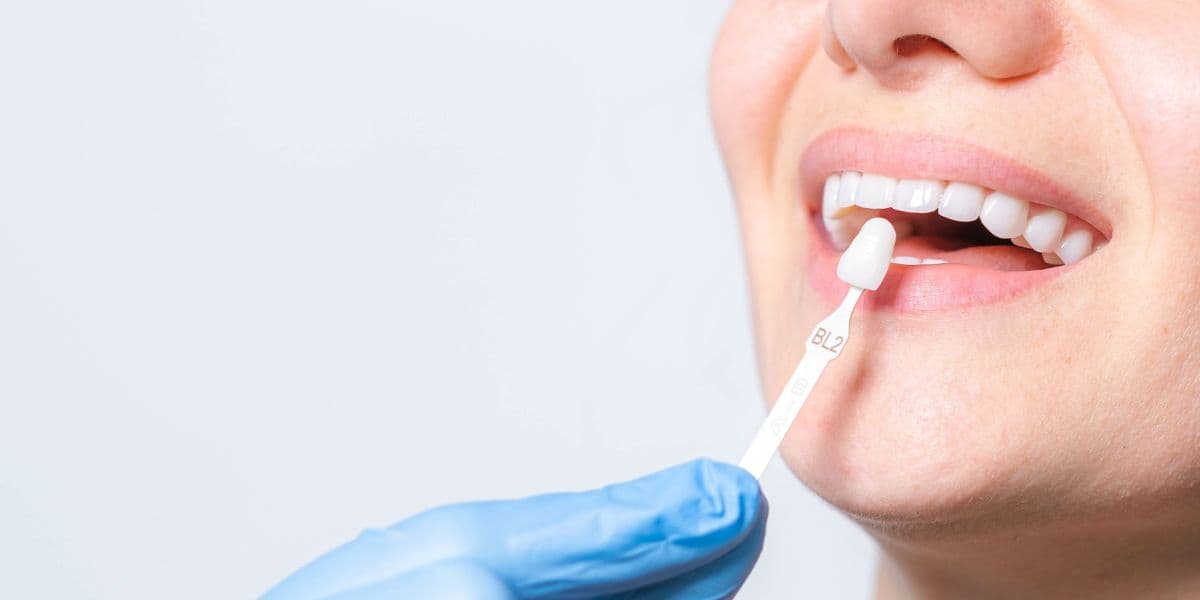
Many adults feel self-conscious about gaps between their teeth, particularly when smiling or speaking in professional and social situations. Dental spaces, medically known as diastemas, can occur naturally or develop over time due to various factors including genetics, gum disease, or tooth loss.
Understanding your options for addressing gaps between teeth without traditional braces has become increasingly important as modern dentistry offers several alternative approaches. These treatments can range from conservative cosmetic solutions to more comprehensive restorative procedures, each with distinct advantages depending on your individual circumstances.
This article will explore the various methods available to close gaps between teeth without conventional metal braces, including their clinical applications, potential benefits, and considerations. We'll examine how these treatments work, when they may be appropriate, and the importance of professional assessment in determining the most suitable approach for your specific dental needs.
Whether you're considering cosmetic improvements or addressing functional concerns, understanding these treatment options can help you make informed decisions about your oral health and discuss possibilities with your dental professional.
Can You Close Gaps Between Teeth Without Braces?
Yes, gaps between teeth can often be addressed without traditional braces through various dental treatments including composite bonding, porcelain veneers, dental crowns, or clear aligners, depending on the size and cause of the gap.
Understanding Dental Gaps and Their Causes
Gaps between teeth can develop for numerous reasons, and understanding the underlying cause is essential for determining the most appropriate treatment approach. Natural spacing often occurs when there's a discrepancy between tooth size and jaw size, creating spaces that may have been present since childhood or become more noticeable as teeth naturally shift over time.
Gum disease represents another significant factor in gap development. When periodontal disease progresses, it can cause bone loss around teeth, leading to loosening and movement that creates or widens existing spaces. Additionally, habits such as tongue thrusting or thumb sucking can exert pressure on teeth, gradually pushing them apart.
Missing teeth also contribute to gap formation, as adjacent teeth may drift into empty spaces, creating new gaps elsewhere in the mouth. Understanding these various causes helps determine whether addressing the gap alone is sufficient or whether underlying issues require treatment first.
Cosmetic Bonding for Small Gaps
Composite bonding offers an effective solution for addressing minor gaps between teeth without the need for orthodontic treatment. This procedure involves applying tooth-coloured composite resin material to the edges of teeth adjacent to the gap, effectively building up the tooth structure to close the space.
The bonding process typically requires minimal tooth preparation and can often be completed in a single appointment. Your dentist will carefully select composite material that matches your natural tooth colour and shape it to create a seamless appearance whilst closing the gap.
Composite bonding works particularly well for small gaps, typically those measuring 2mm or less. The material can be sculpted and polished to blend naturally with your existing teeth, providing both functional and aesthetic benefits. However, the longevity of composite bonding depends on factors such as oral hygiene, dietary habits, and the forces placed on the treated teeth during normal function.
Porcelain Veneers for Comprehensive Gap Closure
Porcelain veneers provide a more permanent solution for closing gaps whilst simultaneously addressing other cosmetic concerns such as tooth shape, size, or colour discrepancies. These thin ceramic shells are custom-made to fit over the front surface of teeth, allowing for precise control over the final appearance.
The veneer process typically involves removing a small amount of tooth enamel to accommodate the thickness of the porcelain, ensuring the final result appears natural and proportionate. This preparation, whilst minimal, makes veneers an irreversible treatment that requires careful consideration and planning.
Veneers excel at addressing moderate gaps and can simultaneously improve multiple aesthetic aspects of your smile. The porcelain material resists staining and provides excellent durability when properly maintained. However, the treatment requires healthy underlying tooth structure and good oral hygiene to ensure long-term success.
Clear Aligner Therapy as an Alternative
Clear aligners represent a modern orthodontic approach that can address gaps between teeth without the visibility and lifestyle restrictions associated with traditional metal braces. These removable, transparent plastic trays gradually move teeth into desired positions through controlled force application.
The clear aligner process begins with detailed impressions or digital scans of your teeth, which are used to create a series of custom aligners. Each aligner moves teeth incrementally, with patients typically changing to a new aligner every one to two weeks as treatment progresses.
This treatment option works particularly well for individuals with good oral hygiene habits and the discipline to wear aligners for the recommended 20-22 hours per day. Clear aligners can address various gap sizes and may be combined with other treatments for comprehensive smile improvement.
The Science Behind Tooth Movement and Gap Closure
Understanding how teeth move and respond to different treatments helps explain why various gap closure methods work effectively. Teeth are held in position by the periodontal ligament, a network of fibres connecting the tooth root to the surrounding bone. When controlled pressure is applied, these fibres can remodel, allowing teeth to move gradually into new positions.
In cosmetic treatments like bonding and veneers, gaps are closed by adding material to teeth rather than moving them. This approach works by increasing the width of teeth adjacent to the gap, effectively eliminating the space whilst maintaining the underlying tooth positions.
The choice between moving teeth orthodontically or adding material cosmetically depends on factors including gap size, tooth proportions, overall oral health, and patient preferences. Each approach offers distinct advantages and considerations that should be evaluated during professional consultation.
When Professional Assessment May Be Needed
Seeking professional dental evaluation becomes particularly important when gaps between teeth are accompanied by other symptoms or concerns. Persistent gum inflammation, bleeding, or recession around gapped teeth may indicate underlying periodontal issues that require treatment before cosmetic gap closure.
Changes in gap size, whether widening or the development of new spaces, warrant professional assessment as these may signal underlying dental problems such as bone loss, tooth movement, or structural issues requiring intervention.
Additionally, gaps that interfere with normal function, including speech difficulties, food trapping that leads to gum irritation, or bite problems, should be evaluated professionally. These functional concerns may indicate that comprehensive treatment addressing both the gap and its underlying causes would be most beneficial.
Professional assessment also becomes important when considering treatment options, as factors such as tooth health, bite relationships, and long-term oral health goals influence which approach may be most suitable for your individual circumstances.
Preventing Gap Formation and Maintaining Results
Maintaining good oral hygiene forms the foundation of preventing gap formation and preserving the results of gap closure treatments. Regular brushing and flossing help prevent gum disease, which can lead to bone loss and tooth movement that creates or widens gaps between teeth.
Addressing habits that contribute to tooth movement, such as tongue thrusting or using teeth as tools, can help prevent new gaps from forming. Additionally, wearing protective guards during sports activities helps prevent dental trauma that could lead to tooth loss and subsequent gap formation.
Regular dental check-ups allow for early detection and management of factors that might contribute to gap development. Professional cleanings and examinations help maintain gum health and identify potential issues before they progress to stages requiring more extensive treatment.
Following specific care instructions for cosmetic treatments, such as avoiding hard foods that might damage bonding or wearing retainers as directed after orthodontic treatment, helps ensure long-term success of gap closure procedures.
Key Points to Remember
- Multiple treatment options exist for closing gaps between teeth without traditional braces, including bonding, veneers, and clear aligners
- The most appropriate treatment depends on gap size, underlying causes, and individual oral health factors
- Professional assessment helps determine which approach offers the best long-term results for your specific situation
- Preventive care and good oral hygiene help prevent gap formation and maintain treatment results
- Treatment selection should consider both aesthetic goals and functional requirements
- Regular dental monitoring supports long-term success of gap closure treatments
Frequently Asked Questions
How long does composite bonding last for gap closure?
Composite bonding typically lasts 3-7 years with proper care, though longevity varies based on oral hygiene, dietary habits, and the forces placed on treated teeth during normal function.
Are porcelain veneers reversible for gap treatment?
Porcelain veneers require minimal enamel removal during preparation, making them an irreversible treatment that requires careful consideration and professional consultation before proceeding.
Can clear aligners close large gaps between teeth?
Clear aligners can address various gap sizes, though larger spaces may require longer treatment times or combination approaches with other dental procedures for optimal results.
Will insurance cover cosmetic gap closure treatments?
Insurance coverage varies by provider and treatment type, with functional concerns more likely to receive coverage than purely cosmetic treatments requiring verification with your provider.
How quickly can gaps be closed without braces?
Treatment timelines vary by method, with cosmetic bonding possible in one appointment, veneers requiring 2-3 visits, and clear aligners taking several months depending on gap complexity.
Do gaps between teeth always need treatment?
Not all gaps require treatment; small, stable spaces that don't cause functional problems or aesthetic concerns may simply need monitoring during regular dental check-ups.
Conclusion
Addressing gaps between teeth without traditional braces offers several effective options tailored to different needs and circumstances. From conservative composite bonding for minor spaces to comprehensive clear aligner therapy for more complex cases, modern dentistry provides solutions that can improve both function and appearance whilst respecting individual preferences and lifestyle considerations.
The key to successful gap closure lies in proper assessment of underlying causes, careful treatment selection, and commitment to maintaining good oral health following treatment. Whether pursuing cosmetic improvements or addressing functional concerns, understanding your options enables informed discussions with dental professionals about the most appropriate approach for your specific situation.
Regular professional monitoring and preventive care support long-term success of gap closure treatments whilst helping prevent new spaces from developing. Dental symptoms and treatment options should always be assessed individually during a clinical examination.
Disclaimer
This article is for educational purposes only and is not a substitute for professional dental advice, diagnosis, or treatment. Individual conditions vary — please consult a qualified dental professional for personalised guidance. In a dental emergency, seek immediate professional care.








