How to Fix Crooked Teeth Without Braces: Alternative Options for Adults in London
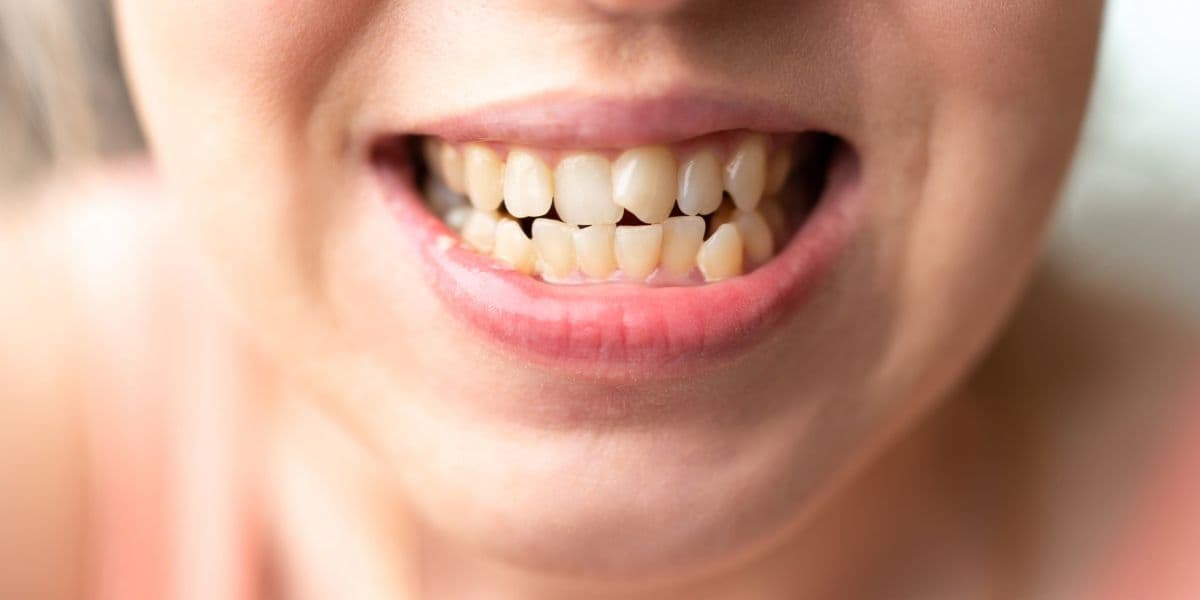
Many adults in London feel self-conscious about their crooked teeth but assume traditional metal braces are their only option. The thought of wearing visible metal brackets for years often deters people from seeking treatment, leading them to search for alternative solutions online. Perhaps you've avoided smiling in photographs or felt hesitant about your appearance in professional settings.
The good news is that modern dentistry offers several effective alternatives to conventional braces for correcting crooked teeth in adults. These options often provide more discreet, comfortable, and convenient treatment experiences whilst still achieving good results. From clear aligners to cosmetic bonding, the range of available treatments means there's likely a suitable solution for your specific needs and lifestyle.
Understanding these alternatives is important because untreated misaligned teeth can affect more than just appearance. Crooked teeth can impact oral hygiene, increase the risk of tooth decay and gum disease, and sometimes contribute to jaw problems. This article will explore the various non-traditional methods available to fix crooked teeth, helping you make an informed decision about your dental health. Professional assessment remains essential to determine which treatment approach may be most suitable for your individual circumstances.
What are the alternatives to traditional braces for crooked teeth?
Several effective alternatives to traditional metal braces can straighten crooked teeth, including clear aligners, lingual braces, ceramic braces, and cosmetic treatments like veneers or bonding. The most suitable option depends on the severity of misalignment and individual dental needs, which require professional assessment to determine.
Clear Aligners: The Popular Invisible Option
Clear aligners have revolutionised orthodontic treatment for adults, offering a virtually invisible way to straighten crooked teeth. These custom-made transparent plastic trays gradually move teeth into their correct positions using gentle, controlled pressure. Popular systems like Invisalign create a series of aligners that you wear for approximately 20-22 hours daily, changing to the next set every one to two weeks.
The main advantages include their removable nature, allowing you to eat, drink, brush, and floss normally. This makes maintaining oral hygiene significantly easier compared to fixed braces. Clear aligners are also more comfortable, with no metal brackets or wires that might cause mouth irritation. Treatment typically takes 6-18 months, depending on the complexity of your case.
However, clear aligners work best for mild to moderate misalignment issues. Severe crowding, significant bite problems, or complex tooth movements may require alternative treatments. Success also depends on patient compliance – wearing the aligners for the recommended hours daily is crucial for achieving optimal results. Your dentist can assess whether clear aligners are suitable for your specific orthodontic needs during a consultation.
Lingual Braces: Hidden Behind Your Teeth
Lingual braces offer the effectiveness of traditional orthodontic treatment whilst remaining completely hidden from view. These braces attach to the back surfaces of your teeth (tongue-side) rather than the front, making them invisible when you smile or speak. They use the same mechanical principles as conventional braces but with a more discreet placement.
This treatment option works well for complex orthodontic cases that might not be suitable for clear aligners. Lingual braces can address severe crowding, significant rotations, and complex bite issues effectively. The brackets and wires are custom-made to fit the unique contours of each tooth's inner surface, ensuring precise tooth movement.
The main considerations include a longer adjustment period, as your tongue needs time to adapt to the brackets' presence. Speech may be temporarily affected during the first few weeks, and oral hygiene requires extra attention due to the brackets' position. Treatment duration is typically similar to conventional braces, ranging from 18-36 months depending on case complexity. Regular appointments are necessary for adjustments and monitoring progress throughout treatment.
Ceramic Braces: Tooth-Coloured Discretion
Ceramic braces provide a compromise between traditional metal braces and more discreet options. These braces use tooth-coloured or clear ceramic brackets instead of metal ones, making them significantly less noticeable whilst maintaining the effectiveness of conventional orthodontic treatment. The brackets blend with your natural tooth colour, creating a more aesthetically pleasing appearance.
These braces work particularly well for patients who need comprehensive orthodontic treatment but prefer a less visible option than metal braces. They can address most orthodontic issues effectively, including complex cases involving severe misalignment, bite problems, and significant tooth movements. The ceramic material is strong and durable, though slightly larger than metal brackets.
Considerations include the potential for the ceramic brackets to stain if oral hygiene isn't maintained properly, particularly with foods and drinks like coffee, tea, or red wine. The elastic ties used with ceramic braces may also discolour between appointments. Treatment duration is comparable to metal braces, and regular adjustment appointments are necessary. Ceramic braces typically cost more than traditional metal braces but less than some newer clear aligner systems.
Understanding Tooth Movement and Alignment
Tooth movement occurs through a biological process called bone remodelling, which happens naturally throughout life but can be controlled and directed through orthodontic treatment. When gentle, consistent pressure is applied to teeth, the periodontal ligament (which connects teeth to the surrounding bone) experiences compression on one side and tension on the other.
This pressure triggers cellular activity where bone-dissolving cells (osteoclasts) break down bone tissue on the compressed side, whilst bone-building cells (osteoblasts) create new bone tissue on the tension side. This process allows teeth to move gradually through the jawbone whilst maintaining their stability and health. The movement typically occurs at a rate of approximately 1mm per month.
Understanding this process helps explain why orthodontic treatment takes time and why consistent pressure (whether from braces or aligners) is essential. Attempting to move teeth too quickly can damage the tooth roots or surrounding tissues. This biological principle applies regardless of the treatment method used, whether traditional braces, clear aligners, or other orthodontic appliances. The controlled nature of this movement ensures that teeth reach their new positions safely whilst maintaining proper blood supply and nerve function.
Cosmetic Alternatives: Veneers and Bonding
For adults with mild crowding or spacing issues, cosmetic treatments like dental veneers or composite bonding can create the appearance of straighter teeth without actually moving them. Porcelain veneers are thin shells that cover the front surfaces of teeth, improving their shape, size, and alignment once placed. This option works well for front teeth that are slightly crooked, gapped, or irregularly shaped.
Composite bonding involves applying tooth-coloured resin material to reshape and contour teeth, improving their appearance and creating better alignment. This treatment is often more conservative and cost-effective than veneers, though typically less durable. Both options can be completed relatively quickly, often in just a few appointments.
However, these cosmetic solutions don't address underlying bite issues or functional problems that true orthodontic treatment would correct. They're purely aesthetic improvements that work best for minor imperfections in visible teeth. The natural teeth underneath remain in their original positions, so oral hygiene considerations and bite function aren't improved. A thorough assessment can help determine whether cosmetic treatment or actual tooth movement would be more beneficial for your specific situation.
When to Seek Professional Assessment
Professional dental evaluation becomes important when crooked teeth affect your daily life, oral hygiene, or overall confidence. Difficulty cleaning between crowded teeth that leads to persistent plaque buildup, tooth decay, or gum inflammation suggests that orthodontic treatment might be beneficial. Similarly, if misaligned teeth cause speech difficulties, eating problems, or jaw discomfort, these functional issues warrant professional assessment.
Aesthetic concerns that impact your confidence in social or professional situations are equally valid reasons to explore treatment options. Many adults find that improving their smile enhances their self-esteem and quality of life significantly. Early assessment also allows for better treatment planning and potentially shorter treatment times.
Certain warning signs indicate more urgent evaluation needs, including jaw pain or clicking sounds when opening or closing your mouth, excessive tooth wear from grinding or clenching, or difficulty biting or chewing food properly. These symptoms might indicate bite problems that could worsen without appropriate treatment. Regular dental check-ups provide opportunities to discuss orthodontic concerns and explore available options before problems become more complex or uncomfortable.
Maintaining Results and Oral Health
Regardless of which treatment option you choose, maintaining results requires ongoing commitment to retention and oral hygiene. Most orthodontic treatments require wearing retainers after active treatment to prevent teeth from gradually shifting back to their original positions. This retention phase is crucial for long-term success and typically involves wearing retainers nightly indefinitely.
Excellent oral hygiene becomes even more important during and after orthodontic treatment. Properly aligned teeth are generally easier to clean effectively, but the period during active treatment may require extra attention and modified cleaning techniques. Regular dental check-ups and professional cleanings help maintain healthy teeth and gums throughout the treatment process.
Diet considerations may apply during certain treatments, particularly with fixed braces where hard, sticky, or very chewy foods can damage appliances. Following your dentist's guidance regarding care instructions, appointment schedules, and lifestyle modifications helps ensure optimal results and prevents complications that could extend treatment time.
Prevention and Early Intervention
While some causes of crooked teeth are genetic and unavoidable, certain preventive measures can help maintain good alignment, particularly in younger family members. Early loss of baby teeth, prolonged thumb sucking, or tongue thrusting habits can contribute to orthodontic problems. Addressing these issues promptly may prevent or minimise future alignment problems.
For adults, preventing further deterioration of existing alignment involves maintaining good oral health, avoiding habits like teeth grinding or clenching, and addressing missing teeth promptly. When teeth are lost, adjacent teeth may shift to fill the space, potentially worsening existing crowding or creating new alignment issues.
Wearing a custom nightguard if you grind or clench your teeth can protect both your teeth and any orthodontic treatment investment. Similarly, replacing missing teeth with appropriate restorations helps maintain proper spacing and prevents unwanted tooth movement that could compromise your smile's alignment.
Key Points to Remember
- Multiple alternatives to traditional braces exist for adults, including clear aligners, lingual braces, and ceramic braces
- Treatment choice depends on the severity of misalignment and individual lifestyle needs
- Cosmetic options like veneers or bonding can improve appearance without moving teeth
- All orthodontic treatments require retention phase and ongoing oral hygiene commitment
- Professional assessment is essential to determine the most suitable treatment approach
- Early intervention and good oral health habits help prevent further alignment deterioration
Frequently Asked Questions
How long does treatment take compared to traditional braces?
Treatment duration varies significantly depending on the method chosen and complexity of your case. Clear aligners typically take 6-18 months for mild to moderate cases, while lingual and ceramic braces usually require 18-36 months, similar to traditional metal braces. Cosmetic options like veneers can be completed in just a few weeks. Your dentist can provide a more accurate timeframe after assessing your specific needs during consultation.
Are these alternatives more expensive than regular braces?
Most alternatives to traditional braces do cost more initially, with clear aligners and lingual braces typically being the most expensive options. However, the total investment should be considered alongside factors like comfort, aesthetics, treatment duration, and long-term oral health benefits. Many practices offer flexible payment plans to make treatment more accessible, and some dental insurance plans provide partial coverage for orthodontic treatment.
Can adults achieve the same results as teenagers with these treatments?
Adults can achieve good orthodontic results, though treatment may take slightly longer due to mature bone structure and completed jaw growth. The biological process of tooth movement remains the same regardless of age. However, adults often have better compliance with treatment instructions and oral hygiene, which can actually lead to more predictable outcomes. Certain complex cases might require different approaches in adults compared to teenagers.
Will my teeth stay straight after treatment without wearing retainers?
Teeth have a natural tendency to shift throughout life, regardless of whether you've had orthodontic treatment. This means that retainer wear is essential for maintaining results long-term. Most orthodontic professionals recommend wearing retainers nightly indefinitely to preserve your investment and maintain your improved smile. The retention phase is a crucial part of successful orthodontic treatment.
How do I choose between clear aligners and other discreet options?
The choice depends on several factors including the complexity of your case, lifestyle preferences, and treatment goals. Clear aligners work well for mild to moderate alignment issues and offer maximum convenience for eating and oral hygiene. Lingual or ceramic braces might be better for more complex cases or if you're concerned about compliance with removable aligners. A thorough consultation can help determine which option aligns best with your specific needs.
What happens if I don't treat my crooked teeth?
While not treating crooked teeth isn't immediately dangerous, it can lead to various long-term issues including increased risk of tooth decay and gum disease due to cleaning difficulties, excessive tooth wear from poor bite alignment, and potential jaw problems. Many people also experience reduced confidence and self-esteem. However, the decision to pursue treatment is personal and should be based on your individual circumstances and goals.
Conclusion
Modern dentistry offers numerous effective alternatives to traditional metal braces for adults seeking to improve their smile discretely and comfortably. From clear aligners and lingual braces to cosmetic solutions like veneers, there are options suitable for various degrees of misalignment and lifestyle preferences. Each treatment approach has its own advantages and considerations, making professional assessment crucial for determining the most appropriate solution for your individual needs.
The key to successful treatment lies in understanding that orthodontic improvement is a process that requires commitment, proper oral hygiene, and adherence to professional guidance. Whether you choose removable aligners or fixed appliances, the long-term benefits to both your oral health and confidence can be significant. Early consultation allows for better treatment planning and often more efficient results.
Remember that achieving and maintaining a healthy, attractive smile is an investment in your overall well-being and quality of life. Professional dental guidance ensures that you receive appropriate care tailored to your specific circumstances and treatment goals. Dental symptoms and treatment options should always be assessed individually during a clinical examination.
Disclaimer
This article is for educational purposes only and is not a substitute for professional dental advice, diagnosis, or treatment. Individual conditions vary — please consult a qualified dental professional for personalised guidance. In a dental emergency, seek immediate professional care.








