Dental Implants for False Teeth: Full Mouth Cost Guide UK
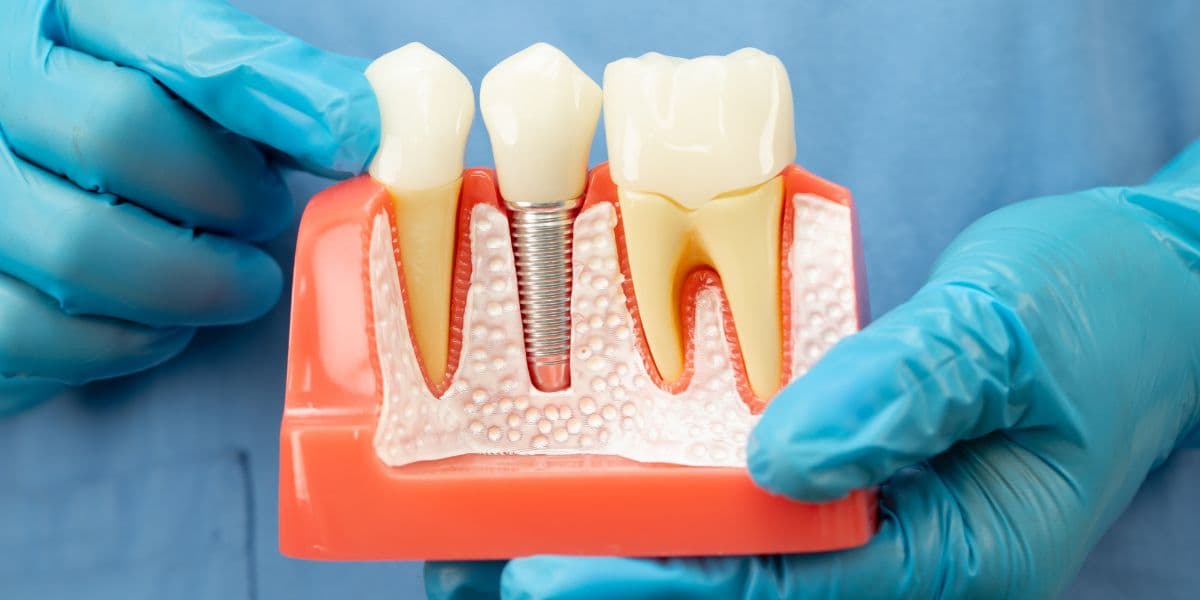
Dental implants for false teeth offer a permanent, fixed alternative to traditional removable dentures. If you have been living with loose or uncomfortable false teeth, implants may provide the stability and confidence you have been looking for.
Many patients ask: are implants false teeth? The short answer is no. While both replace missing teeth, dental implants are surgically placed titanium posts that support fixed crowns, bridges, or full-arch restorations. Unlike conventional false teeth, implants do not sit on the gums or require adhesive to stay in place.
There is often confusion around the term “false dental implant” — this usually refers to a dental implant used to replace false teeth with a permanent solution. This guide explains how dental implants work, what they cost in the UK, how they compare to dentures, and what to consider before making a decision.
What Are Dental Implants for False Teeth?
Dental implants for false teeth involve replacing removable dentures with a fixed, implant-supported restoration. The treatment uses titanium implant posts that are placed directly into the jawbone. Over time, the bone fuses with the implant in a process called osseointegration, creating a strong and stable foundation.
Once the implants have integrated, a replacement crown, bridge, or full-arch prosthesis is attached. The result is a set of teeth that look, feel, and function much like natural teeth — without the need for removal or adhesive.
Some patients search for “false teeth in plants” or “false teeth implants cost UK” — both relate to this same treatment. Dental implants provide a fixed alternative to removable dentures and are one of the most effective long-term solutions for missing teeth.
Key components of implant treatment include:
Titanium implant post. A small screw-like post placed into the jawbone to act as an artificial tooth root.
Abutment. A connector piece that sits on top of the implant and supports the replacement tooth.
Replacement crown, bridge, or full arch. The visible part of the restoration, custom-made to match your natural teeth.
If you are considering dental implants in London, understanding the treatment process and what is involved can help you make an informed decision.
Dental Implants vs False Teeth – What's the Difference?
Understanding the difference between dental implants and traditional false teeth is important when deciding which option is right for you. While both replace missing teeth, they differ significantly in terms of stability, comfort, and long-term outcomes.
When comparing dentures vs implants cost, it is worth considering not only the upfront price but also the long-term value, comfort, and maintenance requirements of each option.
Dental Implants vs False Teeth Comparison
| Feature | Dental Implants | Traditional False Teeth |
|---|---|---|
| Stability | Fixed in place | Removable |
| Jawbone support | Yes — stimulates bone | No — bone may resorb over time |
| Long-term durability | High — can last 15–25+ years | Moderate — may need replacing every 5–10 years |
| Comfort | Natural feel | May shift or cause irritation |
| Bite strength | Close to natural teeth | Reduced |
| Maintenance | Brush and floss as normal | Daily removal and cleaning |
| Upfront cost | Higher | Lower |
Dental implants vs false teeth is not simply a question of cost. While implants require a greater initial investment, they can offer superior comfort, function, and longevity compared with traditional removable dentures.
Full Mouth Dental Implants Price in the UK
One of the most common questions patients ask is about the full mouth dental implants price. In the UK, the cost of full mouth implant treatment can vary considerably depending on several factors.
Full teeth implants cost in the UK typically ranges from around £7,000 to £30,000 or more per arch. The final price depends on:
Number of implants required. A full arch restoration may use four to eight implants per jaw, depending on the technique and individual anatomy.
Type of restoration. Options range from implant-retained dentures to fully fixed bridges and all-on-4 solutions. Each carries a different cost.
Materials used. Zirconia, porcelain, and acrylic prosthetics each have different price points and aesthetic qualities.
Preparatory procedures. Some patients may require bone grafting or soft tissue work before implants can be placed, which adds to the overall cost.
Clinic location. Practices in central London tend to have higher fees than those in other parts of the UK.
Estimated Full Mouth Implant Costs (UK)
| Treatment Type | Estimated Cost Range (Per Arch) |
|---|---|
| Single dental implant (per tooth) | £1,500 to £3,500 |
| Implant-retained dentures | £4,000 to £10,000 |
| All-on-4 full arch | £7,000 to £15,000 |
| Full mouth fixed bridge (per arch) | £12,000 to £30,000+ |
Important: These are estimated ranges and may vary depending on individual circumstances. The false teeth implants cost in the UK should always be confirmed through a personalised consultation. For more details on our pricing structure, visit our treatment fees page.
Full Mouth Dental Implants Cost NHS – What You Should Know
Many patients search for information about full mouth dental implants cost on the NHS, hoping that implant treatment may be available at a subsidised rate. Unfortunately, in the vast majority of cases, dental implants are not covered by the NHS.
The NHS generally only funds implant treatment in exceptional clinical circumstances. These may include:
Tooth loss caused by trauma or accident
Tooth loss resulting from head or neck cancer treatment
Cases where conventional dentures or bridges are clinically unsuitable
Developmental conditions affecting the teeth or jaw
Even when NHS funding is available, referral and waiting times can be lengthy. Eligibility is assessed on a case-by-case basis through hospital dental services.
For the majority of patients, full mouth dental implants are a privately funded treatment. This is why it is important to understand the costs involved and to seek a transparent quote from a trusted dental practice before proceeding.
Alternatives to Dentures and Implants
While dental implants and traditional dentures are the most common options for replacing missing teeth, there are also alternatives to dentures and implants worth considering. The right choice depends on your clinical situation, preferences, and budget.
Removable Dentures
Traditional removable dentures remain a widely used option for replacing missing teeth. They are typically the most affordable solution and can be made relatively quickly. However, they may move during eating or speaking and require daily removal for cleaning.
Dental Bridges
A dental bridge uses the teeth on either side of a gap to support a fixed replacement tooth. Bridges are cemented in place and do not need to be removed. They are a good option for patients missing one or a few teeth in a row, provided the neighbouring teeth are healthy enough to support the bridge.
Implant-Retained Dentures
An implant-retained denture combines the benefits of both implants and dentures. A small number of implants are placed in the jaw, and a denture clips onto them for improved stability. The denture can still be removed for cleaning but stays firmly in place during use. This option is often more affordable than a fully fixed implant restoration.
Exploring the full range of restorative dentistry options with your dental team is the best way to find the solution that suits your needs and lifestyle.
Who Is Suitable for Full Mouth Implants?
Not everyone is automatically suitable for full mouth dental implants. A thorough assessment of your oral health and medical history is essential before treatment can begin.
Key factors that influence suitability include:
Adequate jawbone density. Implants need sufficient bone to anchor into. If bone loss has occurred, bone grafting may be recommended to build up the jaw before implants can be placed.
Good general oral health. Any existing gum disease or infection should be treated before implant surgery. Healthy gums provide a better foundation for implant success.
Overall health. Certain medical conditions, such as uncontrolled diabetes or immune disorders, may affect healing and implant integration. Your dental team will review your full medical history.
Non-smoking status. Smoking significantly increases the risk of implant failure. Patients who smoke are usually advised to stop before and after treatment.
Realistic expectations. It is important to understand the timeline, healing process, and maintenance involved. Dental implants are a long-term commitment and require ongoing care.
A comprehensive consultation will help determine whether dental implants are the right option for you. Your dental team will assess your suitability and discuss the most appropriate treatment plan for your needs.
Benefits of Dental Implants Over Traditional False Teeth
When comparing dental implants vs false teeth, implants offer a number of significant advantages that can improve both quality of life and long-term oral health.
Superior stability. Dental implants are fixed in the jawbone, so they do not move, slip, or click. This provides confidence when eating, speaking, and smiling.
Restored bite strength. Implants restore much of the bite force of natural teeth, allowing you to eat a wider range of foods without discomfort or restriction.
Improved speech. Loose dentures can affect speech clarity. Because implants are securely fixed, they allow you to speak naturally and clearly.
Jawbone preservation. When teeth are missing, the jawbone gradually shrinks. Dental implants stimulate the bone just like natural tooth roots, helping to prevent bone loss over time.
Natural appearance. Implant-supported teeth are designed to look and feel like your own teeth, providing a natural, confident smile.
No adhesive required. Unlike dentures, implants do not require messy adhesive pastes or powders to stay in place.
For many patients, the long-term benefits of dental implants far outweigh the higher initial cost when compared with traditional false teeth.
Risks and Considerations
Like any surgical procedure, dental implant treatment carries certain risks and considerations. Being aware of these in advance helps you make an informed decision and plan realistically for the treatment process.
Healing time. Dental implants require a healing period of several months for the titanium post to integrate with the jawbone. During this time, a temporary restoration may be worn. The total treatment timeline from start to finish can be six months or more.
Post-surgical discomfort. Some swelling, bruising, and discomfort can be expected after implant surgery. This usually subsides within a few days and can be managed with over-the-counter pain relief.
Risk of implant failure. In a small percentage of cases, the implant may not integrate properly with the bone. Factors such as smoking, poor oral hygiene, and certain health conditions can increase this risk.
Ongoing maintenance. Implants require regular brushing, flossing, and professional dental check-ups, just like natural teeth. Neglecting maintenance can lead to peri-implant disease and potential implant loss.
Financial investment. Full mouth dental implants represent a significant investment. It is important to understand the full cost before committing, including any additional procedures that may be required.
Your dental team should explain all potential risks and answer your questions thoroughly before treatment begins. A balanced understanding of the benefits and limitations will help you make the right decision for your circumstances.
Dental Implants Before and After – What to Expect
The improvement that dental implants can offer is often significant for patients who have lived with missing teeth, loose dentures, or deteriorating oral health.
Before treatment, many patients experience difficulty eating, reduced confidence when speaking or smiling, and progressive jawbone shrinkage. Traditional dentures may have become loose or uncomfortable over time.
After implant treatment, patients typically report:
Improved eating ability. Fixed implant-supported teeth restore the ability to eat a full range of foods, including harder or chewier items that were difficult with dentures.
Smile restoration. A natural-looking set of teeth that you can smile with confidently, without worrying about dentures slipping or gaps showing.
Better speech. Secure, fixed teeth improve speech clarity, particularly for sounds that require tongue contact with the upper teeth.
Increased confidence. Knowing your teeth are securely fixed can have a significant positive impact on self-esteem and social interactions.
It is important to have realistic expectations. Results depend on individual circumstances, and your dental team should discuss what is achievable in your specific case before treatment begins.
To see examples of dental treatment outcomes, visit our Smile Gallery.
When to See a Private Dentist in London
If you are experiencing any of the following issues, it may be time to consider a consultation about dental implants with a private dental appointment in London:
Loose or ill-fitting dentures. If your dentures no longer fit properly or cause discomfort, implants may offer a more stable and comfortable solution.
Difficulty eating. Struggling to chew food properly is a common sign that your current dentures are not providing adequate function.
Jawbone shrinkage. Prolonged tooth loss without implants can lead to progressive bone loss, which changes facial appearance and makes denture fitting more difficult over time.
Repeated denture problems. Frequent repairs, relining, or replacements suggest that a more permanent solution may be beneficial.
Loss of confidence. If missing teeth or denture problems are affecting your confidence, quality of life, or willingness to socialise, implants may help restore both your smile and self-assurance.
The earlier you seek advice, the more treatment options may be available to you. Bone loss progresses over time, so early assessment can help preserve your suitability for implant treatment.
Frequently Asked Questions
Are implants false teeth?
Dental implants are not the same as traditional false teeth. False teeth, or dentures, are removable prosthetics that sit on the gums. Dental implants are titanium posts surgically placed into the jawbone that support fixed replacement teeth. Implants look, feel, and function much more like natural teeth than removable dentures.
What is the full mouth dental implants price in the UK?
The full mouth dental implants price in the UK typically ranges from £7,000 to £30,000 or more per arch, depending on the number of implants, the type of restoration, and the materials used. All-on-4 solutions may start from around £7,000 per arch, while individual implant placements across a full mouth can be significantly more. Every case is different, so a personalised consultation is essential for an accurate estimate.
Does the NHS cover full mouth implants?
The NHS very rarely covers dental implants. Implant treatment is generally only available on the NHS in exceptional clinical circumstances, such as after trauma, cancer treatment, or where conventional prosthetics are not suitable. In the vast majority of cases, full mouth dental implants are funded privately.
What is the difference between dentures and implants?
Dentures are removable prosthetic teeth that rest on the gums and may require adhesive. Dental implants are fixed titanium posts placed into the jawbone that support permanent replacement teeth. Implants offer superior stability, comfort, and jawbone preservation, while dentures are typically less expensive upfront but may need regular adjustment over time.
How long do dental implants last?
With proper care and maintenance, dental implants can last 15 to 25 years or longer. The titanium implant post itself can last a lifetime in many cases. The crown or restoration attached to the implant may need replacing after 10 to 15 years due to normal wear. Regular dental check-ups and good oral hygiene are key to long-term implant success.
Are implants better than false teeth?
Dental implants offer several advantages over traditional false teeth, including greater stability, improved bite strength, better speech, and jawbone preservation. However, implants require a greater upfront investment and a surgical procedure. The best option depends on your oral health, jawbone condition, lifestyle, and budget. A consultation with a qualified dental team can help you decide which option is right for you.
Disclaimer
This article is for educational purposes only and is not a substitute for professional dental advice, diagnosis, or treatment. Individual conditions vary — please consult a qualified dental professional for personalised guidance. In a dental emergency, seek immediate professional care.








