Many patients considering dental implants wonder what to expect during the recovery process and how long healing takes. Understanding the dental implant healing timeline helps patients prepare for treatment and know what's normal at each stage of recovery.
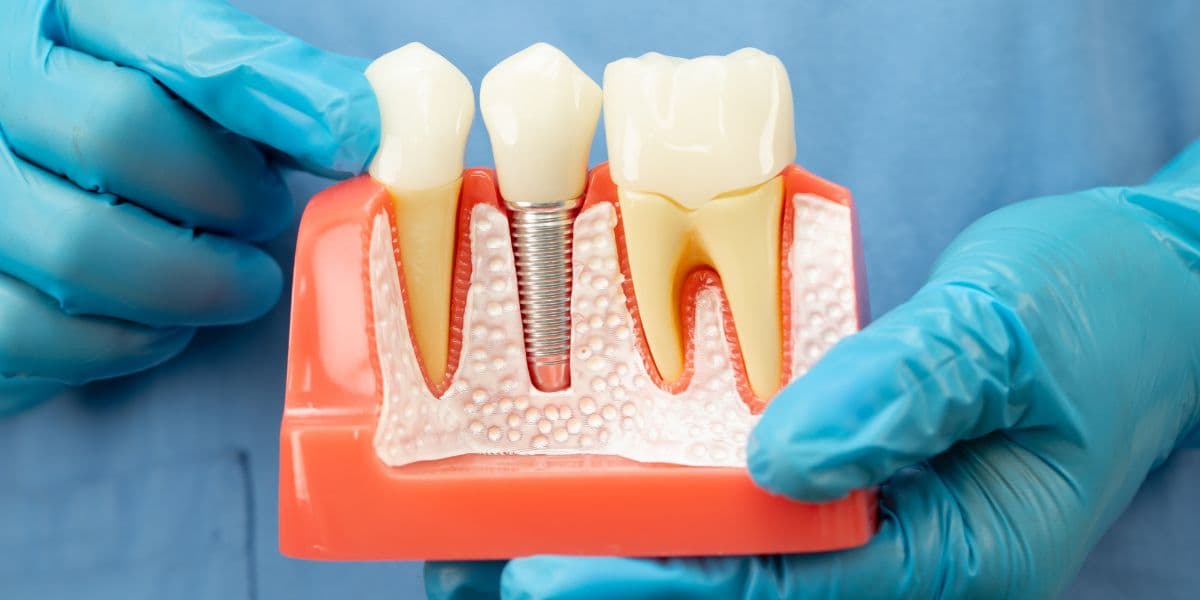
Dental implant treatment involves placing a titanium post into the jawbone to replace a missing tooth root. The healing process, known as osseointegration, allows the implant to fuse with your natural bone tissue, creating a stable foundation for your replacement tooth.
This week-by-week guide explains the typical dental implant healing stages, from initial placement through complete recovery. Knowing what to expect can help you follow aftercare instructions properly and recognise when healing is progressing normally. Individual healing times vary depending on factors such as your overall health, bone quality, and the complexity of your treatment.
What happens during dental implant healing?
Dental implant healing occurs in distinct phases over several months. Initially, soft tissue heals around the implant site within 1-2 weeks, followed by osseointegration where bone gradually grows around the titanium implant over 3-6 months, creating a permanent bond.
Week 1-2: Initial Healing Phase
The first fortnight after dental implant placement focuses on soft tissue healing and managing post-surgical symptoms. During this period, you may experience mild swelling, bruising, and discomfort around the implant site, which are normal responses to the surgical procedure.
Your dentist will provide specific aftercare instructions, including pain management guidance and dietary recommendations. Soft foods are typically recommended during this phase to avoid disturbing the surgical site. Gentle oral hygiene is important, but you'll need to avoid brushing directly over the implant area initially.
Most patients can return to work within a few days, though this depends on the complexity of your procedure and your individual healing response. Any surgical sutures are usually removed during a follow-up appointment after 7-14 days.
Week 3-8: Early Osseointegration
During weeks three to eight, the crucial osseointegration process begins as bone cells start growing around the implant surface. While you may feel relatively normal, important healing continues beneath the gum line as your jawbone begins to integrate with the titanium implant.
Swelling and discomfort should have subsided by this stage, and you can gradually return to your normal diet. However, it's still important to chew carefully and avoid putting excessive pressure on the implant site. Some patients may notice slight sensitivity in the area, which is typically normal during this healing phase.
Regular follow-up appointments allow your dentist to monitor healing progress and ensure the implant is integrating properly. Good oral hygiene becomes increasingly important to prevent any complications that could affect the healing process.
Month 3-6: Complete Osseointegration
The final phase of dental implant healing involves complete bone integration, which typically takes three to six months. During this period, bone tissue continues to grow and strengthen around the implant, creating the stable foundation needed to support your replacement tooth.
Most patients experience no symptoms during this phase, as the implant should feel comfortable and stable. Your dentist may take X-rays to confirm that osseointegration is progressing successfully before proceeding with the final restoration phase.
Once osseointegration is complete, your dentist can attach the abutment and crown to complete your dental implant treatment. The total healing timeline varies between individuals, with some patients ready for their final restoration after three months, while others may need the full six-month period.
Factors Affecting Healing Time
Several factors influence how quickly your dental implant heals and integrates with your jawbone. Your overall health status plays a significant role, with conditions such as diabetes or autoimmune disorders potentially extending healing times. Good nutrition supports bone healing, while smoking can significantly delay or impair the osseointegration process.
Bone quality and quantity at the implant site also affect healing duration. Patients with dense, healthy jawbone typically experience faster integration compared to those requiring bone grafting procedures alongside implant placement. You may also find it helpful to read about what to expect regarding discomfort during recovery.
Age can influence healing speed, with younger patients often experiencing faster recovery times. However, dental implants can be successful across all age groups when proper healing protocols are followed and patients maintain good oral health throughout the recovery period.
When to Seek Professional Assessment
While dental implant healing typically progresses smoothly, certain symptoms may warrant professional evaluation. Persistent or worsening pain after the first week, significant swelling that doesn't improve, or signs of infection such as discharge or fever should prompt contact with your dental practice.
Unusual mobility of the implant, changes in your bite, or persistent bleeding beyond the initial healing period may also require assessment. If you experience any concerns during your recovery, it's always appropriate to contact your dental team for guidance.
Most healing concerns can be addressed effectively when identified early, which is why following your scheduled post-operative appointments is important for successful implant integration and long-term treatment success.
Supporting Optimal Healing
Following your dentist's aftercare instructions carefully provides the best foundation for successful dental implant healing. This includes taking prescribed medications as directed, maintaining gentle oral hygiene, and attending all follow-up appointments.
A balanced diet rich in protein, vitamins, and minerals supports bone healing and tissue repair. Staying well-hydrated and getting adequate rest also contribute to optimal recovery conditions. Avoiding smoking and limiting alcohol consumption during healing helps ensure the best possible outcome.
Gentle activities can usually be resumed within a few days, but high-impact sports or activities that risk facial trauma should be avoided until your dentist confirms the implant is fully integrated and your restoration is complete.
Key Points to Remember
- Dental implant healing occurs in distinct phases over 3-6 months
- Initial soft tissue healing takes 1-2 weeks, followed by bone integration
- Osseointegration is crucial for long-term implant stability and success
- Individual healing times vary based on health, age, and bone quality
- Following aftercare instructions supports optimal healing outcomes
- Regular follow-up appointments help monitor healing progress effectively
Frequently Asked Questions
How long does dental implant healing take?
Complete dental implant healing typically takes 3-6 months, though initial soft tissue healing occurs within 1-2 weeks. Individual healing times vary based on bone quality and overall health.
Is pain normal during dental implant healing?
Mild discomfort is normal for the first few days after implant placement. Persistent or worsening pain after the first week may require professional assessment.
Can I eat normally during implant healing?
Soft foods are recommended initially, with gradual return to normal diet as healing progresses. Avoid hard or sticky foods that could disturb the implant site.
When can I brush around my dental implant?
Gentle oral hygiene can usually resume within 24 hours, but avoid brushing directly over the surgical site initially. Your dentist will provide specific cleaning instructions.
What happens if my implant doesn't heal properly?
While rare, healing complications can occur. Early intervention often resolves issues successfully, which is why following up with your dentist is important throughout recovery.
Can I smoke during dental implant healing?
Smoking significantly increases the risk of healing complications and implant failure. Avoiding smoking throughout the healing period improves your chances of successful treatment.
Conclusion
Understanding the dental implant healing process helps patients prepare for treatment and recognise normal recovery progress. While healing times vary between individuals, most patients can expect complete osseointegration within three to six months of implant placement.
Following your dentist's aftercare instructions, maintaining good oral hygiene, and attending regular follow-up appointments provide the foundation for successful healing. The staged healing process allows your body to integrate the implant naturally, creating a stable and long-lasting tooth replacement.
If you experience any concerns during your dental implant healing journey, don't hesitate to contact your dental practice for guidance. Dental symptoms and treatment options should always be assessed individually during a clinical examination.
Disclaimer
This article is for educational purposes only and is not a substitute for professional dental advice, diagnosis, or treatment. Individual conditions vary — please consult a qualified dental professional for personalised guidance. In a dental emergency, seek immediate professional care.








