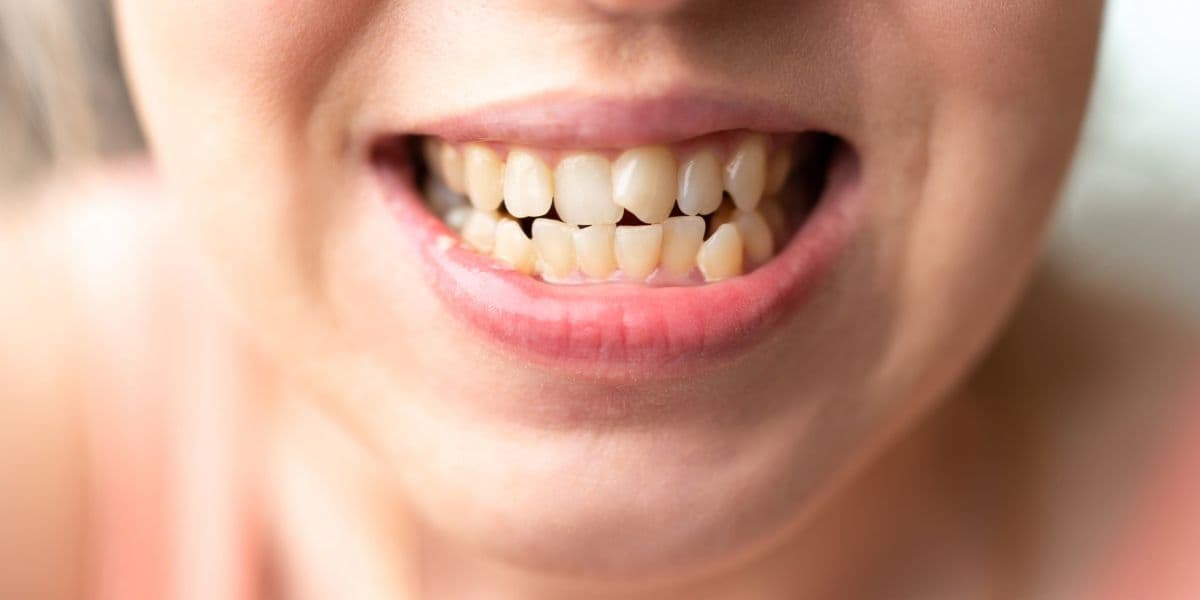
Slightly crooked teeth are one of the most common cosmetic concerns patients raise. Many people feel self-conscious about uneven edges, minor overlapping or small gaps — yet the idea of wearing braces for months does not appeal to them.
That is where composite bonding for crooked teeth comes in. This increasingly popular treatment uses tooth-coloured resin to reshape and refine the appearance of your smile — without the need for orthodontic appliances.
Can bonding fix crooked teeth? In many cases, yes — particularly when the misalignment is mild and the goal is cosmetic improvement rather than structural repositioning. Cosmetic bonding for teeth has become a go-to solution for patients who want visible results in a single appointment.
At our practice in the City of London, composite bonding is one of the most frequently requested cosmetic treatments. This guide explains how it works, who it suits, and what realistic outcomes look like.
What Is Composite Bonding for Crooked Teeth?
Composite bonding involves applying a tooth-coloured resin material to the surface of your teeth. The resin is carefully shaped and polished to improve the overall appearance of your smile.
When used for crooked teeth, the goal is not to move the tooth itself. Instead, composite bonding on slightly crooked teeth works by building up or reshaping the visible surface. This can even out uneven edges, fill in small gaps and create the illusion of a straighter smile line.
-
Tooth reshaping — Resin is sculpted to smooth out edges that appear uneven or rotated
-
Edge alignment — The incisal edges of front teeth can be levelled to create a more uniform appearance
-
Gap closure — Small spaces between teeth are filled to create a more continuous smile
-
Contour correction — The width and shape of individual teeth can be adjusted for better symmetry
Cosmetic bonding for teeth is minimally invasive. In most cases, no tooth preparation or drilling is required, and the procedure can be completed in a single visit.
Can Bonding Fix Crooked Teeth?
Can bonding fix crooked teeth? It depends on the degree of misalignment. Composite bonding is well suited to correcting the appearance of mildly crooked teeth — the kind of imperfections that bother you in photographs but do not affect your bite.
Bonding works well for:
-
Mild misalignment — teeth that are slightly rotated or tilted
-
Small gaps — diastemas or minor spacing between front teeth
-
Uneven edges — teeth of different lengths or irregular incisal edges
Limitations to be aware of:
Composite bonding for crowded teeth with moderate to severe overlap is unlikely to achieve the desired result on its own. In these situations, orthodontic treatment may be recommended first. Bonding can then be used as a finishing touch to refine the appearance once the teeth are in a better position.
The best outcomes come from an honest assessment by an experienced cosmetic dentist for bonding who can advise whether bonding alone will meet your expectations or whether a combined approach would serve you better.
Composite Bonding Before and After – What to Expect
Composite bonding before and after images are one of the most helpful ways to understand what this treatment can achieve. They show real improvements in tooth shape, symmetry and overall smile harmony.
It is important to set realistic expectations. Bonding enhances the cosmetic appearance of your teeth by refining edges, proportions and contours. The results can be striking — but they are always shaped by the starting position and the natural characteristics of each patient's teeth.
Every case is different. Factors such as tooth colour, existing tooth structure and the degree of misalignment all influence the final outcome.
To see examples of cosmetic bonding results, visit our smile gallery . Viewing real patient outcomes is the best way to gauge what may be achievable for your own smile.
Composite Bonding vs Veneers
Composite bonding vs veneers is one of the most common comparisons patients explore. Both treatments improve the appearance of your smile, but they differ in material, longevity and the degree of tooth preparation involved.
| Feature | Composite Bonding | Porcelain Veneers |
|---|---|---|
| Material | Tooth-coloured composite resin | Thin porcelain shells |
| Tooth preparation | Minimal or none | Thin layer of enamel removed |
| Typical longevity | 5–10 years | 10–15 years |
| Stain resistance | Moderate | High |
| Reversibility | Reversible | Not reversible |
| Appointments | Usually one visit | Two or more visits |
| Investment | Lower per tooth | Higher per tooth |
For patients seeking greater durability and stain resistance, porcelain veneers may be the better long-term option. For those who prefer a conservative, reversible and more affordable approach, composite bonding is often the ideal starting point.
Invisalign vs Composite Bonding
Invisalign vs composite bonding is not always an either-or decision. These treatments address different aspects of your smile and are sometimes used together.
Invisalign
-
Physically moves teeth into new positions
-
Suited to moderate misalignment and bite issues
-
Treatment typically takes 6–18 months
Composite Bonding
-
Reshapes the visible surface of teeth
-
Ideal for mild cosmetic adjustments
-
Completed in a single appointment
For mild cosmetic concerns, bonding alone may be all that is needed. For moderate crookedness, Invisalign can straighten the teeth first, and bonding can then be used to perfect the final result. Your clinician can help determine which approach — or combination — is most appropriate.
How Long Does Composite Bonding Last?
How long does composite bonding last? With good care, composite bonding typically lasts between five and ten years. Some patients enjoy their results for longer, while others may need touch-ups sooner depending on their habits.
-
Oral hygiene — Consistent brushing and flossing protects the bonding material and surrounding gum tissue
-
Diet — Frequent consumption of dark-coloured drinks such as coffee, red wine or tea can cause surface staining over time
-
Teeth grinding — Bruxism places additional stress on bonded teeth and can reduce longevity
-
Regular check-ups — Routine dental visits allow your clinician to monitor the bonding and carry out minor repairs if needed
Composite bonding is not permanent, but it is a cost-effective treatment that can be refreshed or replaced when the time comes. Many patients view it as an accessible entry point to cosmetic dental care.
Who Is a Good Candidate for Composite Bonding?
Composite bonding for crooked teeth works best for patients who want to address minor cosmetic imperfections without committing to orthodontics or more invasive restorations.
-
Slightly crooked teeth — One or two teeth that appear mildly rotated or out of line
-
Minor crowding — Overlapping that is cosmetic rather than functional
-
Uneven smile line — Teeth of different lengths or widths that affect overall symmetry
-
Patients wanting a quick improvement — Those who prefer visible results without a lengthy treatment plan
If you are exploring composite bonding in the City of London, our cosmetic dentistry City of London services include a range of aesthetic treatments tailored to your individual needs.
Cost Transparency and Consultation
The cost of composite bonding varies depending on the number of teeth treated, the complexity of the case and the level of reshaping required. A personalised treatment plan ensures you receive a clear breakdown before any work begins.
During a consultation, your clinician will assess your teeth, discuss your goals and recommend the most appropriate approach — whether that is bonding alone, veneers, or a combination of treatments.
For an overview of treatment fees, visit the St Paul's MD price list . Transparent pricing helps you plan with confidence.
Ready to find out if bonding is right for you? You can book a consultation at a time that suits you.
How to Maintain Bonded Teeth
Looking after bonded teeth is straightforward. A few simple habits can significantly extend the life of your bonding.
-
Avoid biting hard objects — Do not use bonded teeth to open packaging, bite nails or chew ice. These habits place excessive force on the resin and can cause chipping.
-
Wear a night guard if you grind — Teeth grinding puts significant pressure on bonded surfaces. A custom night guard protects your investment while you sleep.
-
Attend regular hygiene visits — Professional cleaning removes plaque and surface staining that can dull the bonding over time.
-
Use a non-abrasive toothpaste — Harsh whitening pastes can scratch the composite surface. A standard fluoride toothpaste is the safest choice.
If you clench or grind your teeth, consider our teeth grinding treatment options to protect both your natural teeth and your bonding.
Frequently Asked Questions
Can bonding fix crooked teeth?
Composite bonding can improve the appearance of mildly crooked teeth by reshaping edges, closing small gaps and creating a more uniform smile line. It does not physically move teeth, so it is best suited to minor cosmetic concerns rather than moderate or severe misalignment.
Is composite bonding better than veneers?
Neither option is universally better. Composite bonding is less invasive, more affordable and reversible, making it ideal for minor improvements. Porcelain veneers offer greater durability and stain resistance for more significant cosmetic changes. The right choice depends on the complexity of your case and your long-term goals.
Invisalign vs composite bonding – which is better?
Invisalign physically moves teeth into a new position and is suited to moderate misalignment. Composite bonding reshapes the visible surface and is ideal for minor cosmetic adjustments. Some patients benefit from Invisalign first, followed by bonding to refine the final result.
How long does composite bonding last?
Composite bonding typically lasts between five and ten years with proper care. Longevity depends on factors such as oral hygiene habits, diet, and whether you grind your teeth. Regular dental check-ups help maintain and monitor bonded teeth over time.
Is composite bonding painful?
Composite bonding is generally painless. In most cases, no drilling or anaesthetic is needed because the resin is applied directly to the existing tooth surface. Patients typically experience no discomfort during or after the procedure.
Can bonding fix crowded teeth?
Composite bonding can improve the appearance of mildly crowded teeth by reshaping overlapping edges and creating a more even visual alignment. For moderate to severe crowding where teeth need to be physically repositioned, orthodontic treatment is usually more appropriate.
This content has been reviewed for clinical accuracy by the dental team at St Paul's Medical & Dental.
This article is for general information only and does not replace professional dental advice. Individual results may vary and a clinical assessment is required to determine suitability.
Disclaimer
This article is for educational purposes only and is not a substitute for professional dental advice, diagnosis, or treatment. Individual conditions vary — please consult a qualified dental professional for personalised guidance. In a dental emergency, seek immediate professional care.








