Can You Get Teeth Cleaned With Veneers? Experienced Advice
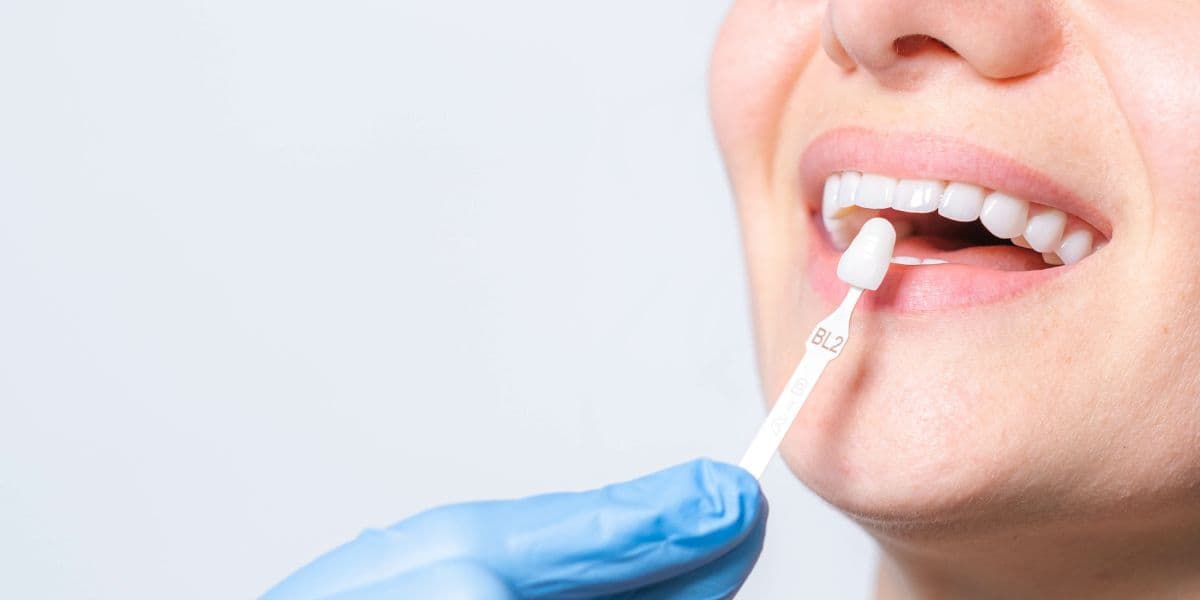
Can you get teeth cleaned with veneers? Yes — and it is strongly recommended. Dental cleaning with veneers is not only safe but an essential part of maintaining both your oral health and the appearance of your smile.
Many patients worry that a hygiene visit could scratch or damage their restorations. In reality, professional teeth cleaning with veneers uses gentle techniques specifically suited to cosmetic surfaces. Plaque and tartar still accumulate around veneers, just as they do on natural teeth.
Whether you have porcelain veneers or composite bonding, regular professional cleaning keeps the surrounding gum tissue healthy and helps your veneers look their best for longer.
Why Professional Teeth Cleaning With Veneers Is Important
Veneers cover the front surface of your teeth, but they do not create a barrier against plaque. Bacteria still collect along the gum line and between teeth. Without regular removal, this build-up can lead to gum inflammation and, over time, more serious gum concerns.
Cleaning veneers at the dentist allows a trained hygienist to remove hardened tartar that brushing alone cannot shift. This protects the margins where the veneer meets the natural tooth — a critical area for long-term durability.
Protecting veneers during a dental checkup is a routine part of every hygiene visit. The instruments and pastes used are selected to clean effectively without affecting the veneer surface.
Regular dental hygiene appointments are the simplest way to keep your gums healthy and extend the life of your cosmetic work.
How Dental Cleaning With Veneers Is Performed
A professional clean follows a careful, step-by-step process. Each stage is adapted when veneers are present.
-
Gentle scaling — Hand instruments or fine-tipped scalers remove tartar from the gum line. The hygienist works carefully around veneer edges to avoid contact with bonded surfaces.
-
Ultrasonic cleaning on veneers — Low-frequency ultrasonic tips break down calculus with water vibration. This method is safe for veneers when used at the correct setting and is widely used in modern hygiene practice.
-
Hand instruments — In areas requiring extra precision, hand curettes allow the hygienist to clean around the veneer margin with controlled, gentle strokes.
-
Polishing veneers at the dentist — A fine, non-abrasive polishing paste is applied with a soft rubber cup. This smooths the surface and removes light surface staining without scratching porcelain or composite.
Can veneers be stained by cleaning?
No. When performed correctly, professional cleaning does not stain veneers. The polishing stage actively removes surface deposits and restores the natural sheen of the restoration.
Maintaining healthy gums is just as important as keeping the veneer surface clean. If your hygienist identifies any early signs of gum inflammation, they may recommend targeted gum health treatment to address it promptly.
Watch: How a Professional Dental Cleaning Works
See how a dental hygienist carries out a professional cleaning — the same gentle approach used to safely clean teeth with veneers.
Scaling and Root Planing With Veneers – Is It Safe?
Scaling and root planing with veneers is a deeper cleaning procedure carried out when there is tartar build-up beneath the gum line. It is sometimes called deep cleaning and is a common part of managing gum disease.
During this procedure, the hygienist uses fine instruments to clean the root surface of the tooth below the gum. The veneer itself sits on the front face of the crown, so root planing works in a different area entirely.
Care is taken around the veneer margins to ensure no unnecessary pressure is applied. The instruments used for deep cleaning are designed to reach below the gum without disturbing restorations above the gum line.
If gum disease is identified, your hygienist may discuss a tailored plan involving periodontal treatment to support long-term gum stability around your veneers.
How to Clean Porcelain Veneers at Home
Good home care is an important part of any veneers maintenance guide. Daily habits make a real difference to how long your veneers look their best.
-
Use a soft-bristled toothbrush — A soft brush cleans effectively without scratching the veneer surface. Electric toothbrushes with pressure sensors are also a good option.
-
Choose a non-abrasive toothpaste — The best toothpaste for veneers is a standard fluoride paste without whitening abrasives or charcoal. These harsh ingredients can gradually dull the surface.
-
Avoid whitening pastes — Whitening toothpastes are designed to remove stain from natural enamel. They will not whiten veneers and can cause micro-scratching over time.
-
Floss daily — Plaque builds up between teeth and around veneer margins. Gentle daily flossing helps prevent gum inflammation in these areas.
-
Use an alcohol-free mouthwash — Alcohol-based rinses can weaken the bonding resin over time. An alcohol-free formula is the safer choice.
Knowing how to clean porcelain veneers at home complements your professional visits. For broader guidance on keeping your teeth and gums healthy, explore our general dentistry services.
Can Veneers Be Damaged During Cleaning?
This is one of the most common concerns. The short answer is: not when the cleaning is carried out by a trained hygienist using appropriate tools.
Modern hygiene instruments are designed to clean without scratching porcelain or composite surfaces. Ultrasonic scalers, hand curettes and rubber-cup polishers are all veneer-safe when used correctly.
Can veneers be stained by cleaning? No. Professional cleaning removes staining rather than causing it. The polishing paste used is significantly finer than household toothpaste.
Protecting veneers during a dental checkup is standard practice. If you let your hygienist know you have veneers at the start of your appointment, they can tailor the approach accordingly — though experienced clinicians will identify restorations during examination.
How Often Should You Have Cleaning Veneers at the Dentist?
Most patients with veneers benefit from professional cleaning every six months. This frequency aligns with standard hygiene recommendations and is usually sufficient to keep plaque and tartar under control.
Some patients may need more frequent visits. If you have a history of gum disease, heavy tartar build-up, or tend to accumulate plaque quickly, your hygienist may suggest appointments every three to four months.
Regular cleaning also gives your clinician the chance to check the condition of your veneers, the health of the bonding, and the state of the surrounding gum tissue.
Ready to keep your veneers in top condition? You can book a hygiene appointment at a time that works for you.
Veneer Before and After Maintenance
The difference between well-maintained veneers and neglected ones becomes noticeable over time. Ongoing care is what keeps your results looking natural and fresh.
Habits such as excessive tea, coffee or red wine consumption can leave surface deposits on veneers. While porcelain is more stain-resistant than natural enamel, composite veneers may pick up discolouration over time without regular professional polishing.
Smoking is another factor that can affect the appearance of both veneers and the surrounding gum tissue. Reducing or stopping smoking supports a healthier oral environment.
To see examples of cosmetic results maintained with good oral hygiene, visit our smile gallery .
When to See a Private Dentist in London
While regular cleaning appointments cover most needs, certain signs suggest you should arrange a visit sooner rather than later.
-
Bleeding gums — Persistent bleeding when brushing or flossing near veneers could indicate early gum inflammation that benefits from professional attention.
-
Sensitivity — New or increased sensitivity around a veneer may suggest a change in the bonding or an issue with the underlying tooth structure.
-
Veneer edge issues — If you notice a rough edge, a chip, or a gap appearing at the veneer margin, it is best to have this assessed. Early attention can prevent further complications.
If you experience any of these signs, visiting a private dental practice in London ensures your concern is reviewed promptly and your veneers are protected.
Frequently Asked Questions
Can you get teeth cleaned with veneers?
Yes. Professional teeth cleaning with veneers is completely safe and recommended. Hygienists use gentle instruments and fine polishing pastes designed to clean around veneers without causing damage. Regular cleaning helps protect both the veneers and the surrounding gum tissue.
Is ultrasonic cleaning safe for veneers?
Yes. Ultrasonic scalers are routinely used during dental cleaning with veneers. The vibrations are gentle enough to remove calculus and plaque without affecting properly bonded porcelain or composite veneers. Hygienists adjust the settings to suit the restoration.
Can veneers be stained by cleaning?
No. Professional cleaning does not stain veneers. It removes surface deposits that may dull their appearance. The polishing pastes used during a hygiene visit are non-abrasive and help restore the natural lustre of porcelain and composite surfaces.
What is the best toothpaste for veneers?
A non-abrasive fluoride toothpaste is the best choice for veneers. Avoid whitening toothpastes that contain harsh abrasives or charcoal, as these can gradually dull the surface of porcelain or composite veneers over time.
How often should veneers be professionally cleaned?
Most patients benefit from professional cleaning every six months. If you have a history of gum disease or heavy plaque build-up, your hygienist may recommend more frequent visits, such as every three to four months, to keep gum tissue healthy around the veneers.
Is scaling and root planing safe with veneers?
Yes. Scaling and root planing can be carried out safely on teeth with veneers. The procedure targets plaque and tartar below the gum line. Hygienists take care around veneer margins and use appropriate instruments to protect the restoration during deeper cleaning.
This content has been reviewed for clinical accuracy by the dental team at St Paul's Medical & Dental.
This article is for general information only and does not replace professional dental advice.
Disclaimer
This article is for educational purposes only and is not a substitute for professional dental advice, diagnosis, or treatment. Individual conditions vary — please consult a qualified dental professional for personalised guidance. In a dental emergency, seek immediate professional care.








