Many people considering dental implants are surprised to learn that jaw bone health plays a crucial role in treatment success. Patients often search online after being told they may need additional procedures before implant placement, or when they're researching why their treatment timeline seems longer than expected.
Jaw bone loss, medically termed alveolar bone resorption, occurs naturally after tooth loss but can significantly impact implant treatment options. Understanding why adequate bone density matters helps patients make informed decisions about their dental care and treatment timeline.
This article explains the relationship between jaw bone health and dental implants, exploring why bone assessment is essential before treatment begins. We'll discuss the causes of bone loss, available treatment options, and how early intervention may help preserve your oral health. Whether you're considering implants or simply want to understand more about maintaining jaw bone health, professional dental assessment remains the most reliable way to evaluate your individual circumstances and treatment options.
Why Does Jaw Bone Loss Affect Dental Implants?
Jaw bone loss affects dental implants because adequate bone density and volume are essential for implant stability and long-term success. Without sufficient healthy bone tissue, implants cannot integrate properly with the jaw, potentially leading to treatment failure or complications requiring additional procedures.
Understanding Jaw Bone Loss After Tooth Extraction
When you lose a tooth, whether through extraction or trauma, the surrounding jaw bone begins a natural remodelling process. The alveolar bone, which previously supported the tooth root, no longer receives the mechanical stimulation that maintains its density and structure.
This bone resorption typically begins within the first few months after tooth loss and continues progressively over time. During the initial year, patients may lose a significant proportion of bone width in the affected area. The process continues more gradually thereafter, but the cumulative effect can be substantial over several years.
The rate and extent of bone loss varies between individuals and depends on factors including age, overall health, smoking habits, and the location of the missing tooth. Front teeth areas may experience different patterns of bone loss compared to back teeth regions, as the bone structure and density naturally differ throughout the jaw.
Understanding this process helps explain why dental professionals often recommend addressing missing teeth relatively promptly, particularly when future implant treatment is being considered. If you're exploring whether implants are right for you, our guide on who is a good candidate for dental implants may be helpful.
How Dental Implants Require Adequate Bone Support
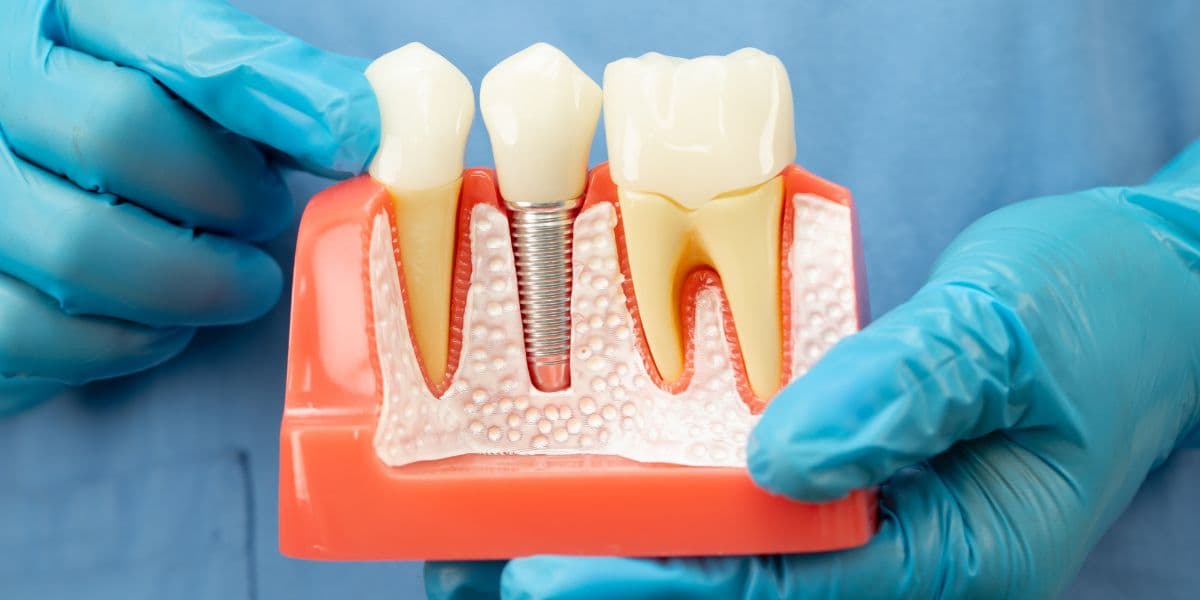
Dental implants function by integrating directly with the surrounding jaw bone through a biological process called osseointegration. This process requires sufficient bone density, width, and height to accommodate the implant fixture safely and provide long-term stability.
The implant essentially replaces the tooth root, requiring adequate bone tissue on all sides to ensure proper healing and integration. Insufficient bone volume may compromise the implant's position, potentially affecting both function and aesthetics of the final restoration.
Modern implant treatment planning often involves detailed three-dimensional imaging to assess bone quality and quantity precisely. This assessment helps determine whether additional procedures, such as bone grafting, may be beneficial before implant placement.
The relationship between bone health and implant success extends beyond the initial placement phase. Adequate bone support helps maintain the implant's stability throughout its functional lifetime, contributing to better long-term outcomes for patients.
Treatment Options When Bone Loss Has Occurred
Several treatment approaches may help address inadequate bone volume before implant placement. Bone grafting procedures can help rebuild lost bone tissue using various materials, including the patient's own bone, processed donor bone, or synthetic bone substitutes.
The specific grafting approach depends on the extent and location of bone loss. Minor deficiencies might be addressed with relatively straightforward procedures, whilst more extensive bone loss may require more complex reconstructive treatment with longer healing periods.
Alternative implant techniques, such as shorter implants or different implant designs, may sometimes be suitable for patients with limited bone height. However, these options depend on individual clinical circumstances and require thorough assessment.
Some patients may benefit from periodontal treatment to address gum disease that may have contributed to bone loss. Treating underlying oral health issues often forms an essential part of comprehensive implant treatment planning.
The timeline for these treatments varies considerably between patients, which is why individualised treatment planning remains essential for optimal outcomes.
Preventing Further Bone Loss
Maintaining good oral hygiene helps preserve remaining natural teeth and their supporting bone structures. Regular brushing, flossing, and professional dental cleanings contribute to overall oral health and may help slow progressive bone loss.
Addressing missing teeth relatively promptly may help minimise the extent of bone remodelling that occurs after tooth loss. However, the optimal timing for implant treatment depends on individual healing and clinical factors that require professional assessment.
Lifestyle factors such as smoking cessation may positively impact bone healing and implant success rates. Patients considering implant treatment often benefit from discussing these factors with their dental team as part of comprehensive treatment planning.
Regular dental examinations allow for early detection and management of conditions that might contribute to further bone loss, such as gum disease or bite-related issues.
When Professional Dental Assessment May Be Needed
Consider seeking dental evaluation if you have missing teeth and are interested in replacement options. Early assessment allows for comprehensive treatment planning and may help identify approaches to preserve existing bone health.
Persistent gum swelling, bleeding, or discomfort around remaining teeth may indicate conditions that could affect bone health. These symptoms warrant professional evaluation to determine appropriate treatment approaches.
If you've been told you need bone grafting before implants, seeking a detailed explanation of your treatment options can help you make informed decisions about your care. Understanding the rationale behind treatment recommendations helps ensure you're comfortable with your planned approach.
Changes in the fit of partial dentures or bridges might indicate ongoing bone changes that could affect future treatment options.
Key Points to Remember
- Jaw bone naturally remodels after tooth loss, which can affect future implant treatment options
- Adequate bone density and volume are essential for successful implant placement and long-term stability
- Various treatment approaches may help address bone deficiency, but individual assessment is essential
- Early intervention after tooth loss may help preserve bone health and simplify future treatment
- Modern imaging techniques allow precise assessment of bone quality and quantity for treatment planning
- Maintaining good oral hygiene and addressing gum disease helps preserve remaining bone structures
Frequently Asked Questions
How quickly does bone loss occur after tooth extraction?
Bone remodelling typically begins within weeks of tooth loss, with the most significant changes occurring during the first year. However, the rate varies between individuals based on various health and lifestyle factors.
Can bone grafting guarantee implant success?
Bone grafting can improve the conditions for implant placement, but success depends on multiple factors including healing, oral hygiene, and individual health circumstances that require professional assessment.
Are there alternatives to bone grafting for implant patients?
Alternative approaches may include different implant designs or techniques, but suitability depends on individual clinical circumstances and requires thorough evaluation by qualified dental professionals.
How long does bone grafting take to heal?
Healing times vary significantly depending on the extent of grafting and individual factors, typically ranging from several months to over a year for more complex procedures.
Does age affect bone grafting success?
Age can influence healing, but many factors contribute to treatment success. Individual health assessment provides the most accurate indication of treatment suitability.
Can I prevent bone loss if I'm not ready for implants yet?
Certain approaches may help preserve bone health, but prevention strategies should be tailored to individual circumstances through professional consultation and comprehensive dental examination.
Conclusion
Understanding the relationship between jaw bone health and dental implant success helps patients make informed decisions about their treatment options. Bone loss after tooth extraction is a natural process, but its impact on future implant treatment can often be managed through appropriate planning and intervention.
The extent of bone loss, available treatment options, and optimal timing for intervention vary significantly between patients. Modern assessment techniques and treatment approaches provide many options for addressing bone deficiency, but individual evaluation remains essential for determining the most suitable approach.
Whether you're considering immediate implant treatment or planning for future tooth replacement, early professional assessment allows for comprehensive evaluation of your options. This proactive approach may help preserve your oral health and potentially simplify future treatment.
Dental symptoms and treatment options should always be assessed individually during a clinical examination.
Disclaimer
This article is for educational purposes only and is not a substitute for professional dental advice, diagnosis, or treatment. Individual conditions vary — please consult a qualified dental professional for personalised guidance. In a dental emergency, seek immediate professional care.








