What Is the Best Painkiller for Toothache? Expert Tips & Relief Options
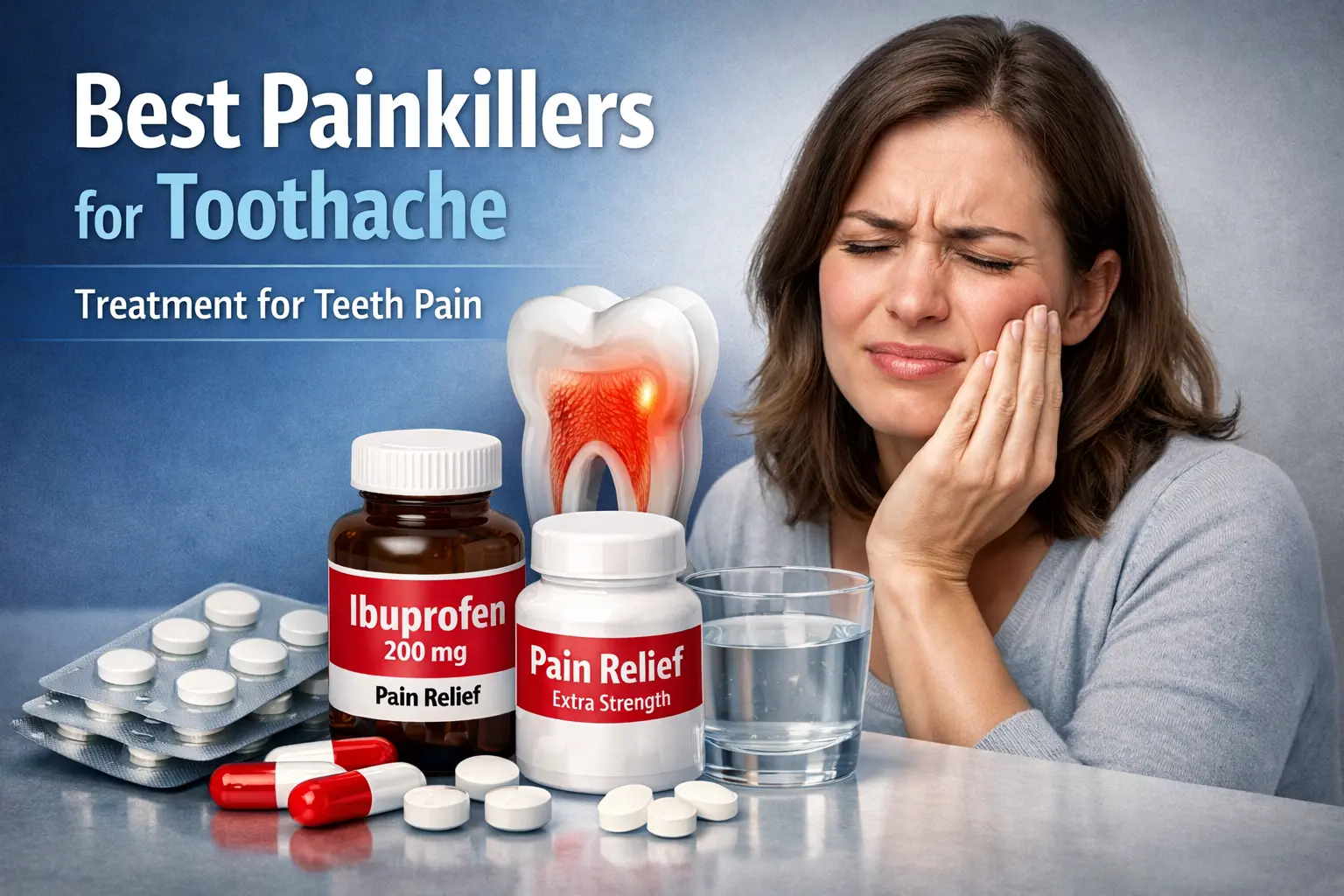
“What is the best painkiller for toothache?” It is one of the most commonly searched dental questions in the UK. If you are reading this, you are probably dealing with tooth pain right now and looking for fast answers.
Dental pain can be intense. It can throb, sting, and make everyday tasks like eating and sleeping feel impossible. You deserve relief, and there are effective options available to you.
However, it is important to understand one thing from the start. Pain reliever medicine for toothache can help manage your symptoms temporarily. It does not fix the underlying problem causing your pain.
In this guide, we explain the best tooth pain relief options available in the UK. We cover which medicine for tooth pain is most commonly recommended, what the limitations are, and when you should see a dentist for lasting relief.
1
Why Toothache Happens
Before choosing a dental pain killer, it helps to understand why your tooth hurts in the first place. Toothache is your body's way of telling you something is wrong inside or around a tooth.
The most common causes include:
-
Tooth decay – Cavities that have progressed through the enamel and into the softer layers of the tooth can cause sharp or constant pain.
-
Infection or abscess – Bacteria reaching the inner pulp of the tooth can lead to infection, causing throbbing pain and swelling.
-
Gum inflammation – Swollen or infected gums can produce a dull, persistent ache around the affected teeth.
-
Exposed nerve – When protective enamel wears away or a tooth cracks, the nerve inside becomes vulnerable to temperature, pressure, and bacteria.
-
Wisdom tooth problems – Impacted or partially erupted wisdom teeth can cause pain, swelling, and difficulty opening the mouth.
Key point: Knowing the cause of your pain helps you understand why even the best painkiller for dental pain is only a temporary measure. The right treatment depends on what is happening inside your tooth.
2
What Is the Best Painkiller for Toothache?
There is no single best pain reliever for toothache that works perfectly for every person. Different types of dental pain respond to different types of medication. Your overall health, allergies, and other medicines you take also affect which option is most suitable for you.
That said, two over-the-counter options are most commonly recommended in the UK:
Ibuprofen
Ibuprofen is an anti-inflammatory painkiller. It reduces swelling around the affected area as well as relieving pain. This makes it one of the most commonly recommended good painkillers for toothache, particularly when there is inflammation or gum swelling involved. Always take it with or after food.
Paracetamol
Paracetamol is a widely used pain reliever suitable for most adults and children over a certain age. It is a good option if you cannot take ibuprofen due to asthma, stomach issues, or other medical reasons. It relieves pain effectively but does not reduce inflammation.
Combined Use
Some pharmacists may suggest alternating ibuprofen and paracetamol at staggered intervals to manage more intense toothache. This approach can provide more sustained relief throughout the day. Always follow the advice of your pharmacist and never exceed the recommended dose of either product.
Important: There is no single strongest painkiller for toothache that works for everyone. What works well for one person may not suit another. If you are unsure which option is right for you, speak to your pharmacist before taking anything.
This video provides general advice on over-the-counter relief options for dental pain, including how common painkillers work and when to seek professional help.
3
Best Painkiller for Toothache Over the Counter – UK Guide
When you are in dental pain, the first stop is usually the pharmacy. The best over the counter pain reliever for toothache in the UK is widely available and does not require a prescription. Here is what you should know.
When OTC painkillers are suitable:
-
Mild to moderate toothache that has recently started
-
Temporary discomfort while waiting for a dental appointment
-
Pain following a recent dental procedure, as advised by your dentist
Limitations of OTC options:
-
They mask pain but do not treat the cause
-
They should not be used for more than a few days without professional advice
-
Prolonged use can cause stomach irritation and other side effects
-
They will not stop an infection from spreading
Even the strongest over the counter painkiller for toothache has its limits. If your pain is severe or getting worse, toothache pain relief pills alone are unlikely to be enough. The best tablet for toothache is a temporary bridge to professional care — not a replacement for it.
![Infographic showing a comparison of UK over-the-counter painkillers for temporary toothache relief.]
4
Strong Pain Relief for Toothache – When Is It Needed?
Sometimes, over-the-counter painkillers are simply not enough. When pain becomes severe and persistent, you may need something stronger. But stronger options require careful professional assessment first.
You may need strong pain relief for toothache if:
-
Over-the-counter medication is no longer controlling the pain
-
The pain wakes you up during the night
-
You notice swelling, a bad taste, or discharge from the gum
-
The pain has lasted more than two days without improvement
In these situations, a dentist can assess the cause and may prescribe the best medicine for tooth pain suited to your specific condition. Stronger prescriptions are only given after a thorough clinical evaluation.
⚠ Please note: Never take someone else's prescription medication for dental pain. What works for one person could be harmful for another. Always seek professional advice before using anything beyond standard over-the-counter options.
5
Best Painkiller for Tooth Nerve Pain
Nerve-related tooth pain feels different from other types of dental discomfort. It tends to be sharper, more intense, and can come in sudden waves. It may be triggered by hot or cold food and drink, or it may throb constantly without any obvious trigger.
When dealing with nerve pain, anti-inflammatory medicine for tooth pain such as ibuprofen can be particularly helpful. Inflammation around the nerve amplifies the pain signal, so reducing that swelling can make a noticeable difference.
However, painkillers for toothache caused by nerve damage are only managing the symptom. If the nerve inside the tooth is infected or dying, the pain will return once the medication wears off.
For lasting relief from tooth nerve pain, root canal treatment is often the recommended solution. This procedure removes the damaged nerve tissue, cleans the inside of the tooth, and seals it — providing permanent relief while saving the natural tooth.
Reassurance: Root canal treatment is carried out with local anaesthesia, focused on minimising discomfort throughout the procedure. Modern techniques make this a routine and well-tolerated treatment.
6
What Painkillers Cannot Do
It is essential to be realistic about what pain reliever medicine for toothache can and cannot achieve. Painkillers play a useful role in managing dental discomfort, but they have clear limitations.
-
Pain relief does not remove infection. If bacteria have reached the inside of your tooth or formed an abscess, no amount of over-the-counter medication will clear it. The infection can spread to surrounding tissue and, in rare cases, become a serious health risk.
-
Pain relief does not cure decay. A cavity will continue to grow until it is professionally treated. Taking a dental pain killer may mask the pain, but the decay will keep spreading deeper into the tooth.
-
Pain relief does not eliminate an abscess. An abscess is a pocket of pus caused by a bacterial infection. It requires professional drainage and treatment. Relying on painkillers alone puts you at risk of the infection worsening.
If you are looking for the best way to get rid of tooth pain permanently, the answer is always professional dental treatment. Painkillers buy you time — they do not solve the problem.
Remember: The longer you rely on painkillers instead of seeing a dentist, the more complex and costly the treatment may become. Early intervention is always the better path.
7
When to See a Private Dentist in London
If your toothache has not settled within 48 hours, or if you are experiencing any of the warning signs below, it is time to see a dentist. Do not wait for the pain to become unbearable.
Seek professional care if you experience:
-
Pain lasting more than 48 hours – Persistent pain usually means the underlying cause needs treatment.
-
Swelling in the face, jaw, or gums – This may indicate an abscess or spreading infection.
-
Fever or feeling generally unwell – A raised temperature alongside toothache suggests your body is fighting infection.
-
Difficulty chewing or opening your mouth – This can signal a deeper issue requiring urgent assessment.
-
Severe throbbing pain that does not respond to painkillers – When over-the-counter relief stops working, the problem has progressed beyond what medication alone can manage.
At our private dentist in the City of London, our experienced GDC-registered professionals can assess the cause of your pain, provide a clear diagnosis, and recommend the most appropriate treatment.
We offer thorough dental examinations and a range of treatments designed to resolve the source of your pain — not just mask the symptoms.
Ready to get out of pain? Book an appointment with our dental team today.
![Before and after results of a dental restorative procedure performed by an experienced dentist at St Paul's Medical and Dental.]
Professional dental treatment provides lasting aesthetic and functional results that no painkiller can achieve. This image shows results from a restorative procedure carried out by our experienced dental team.
8
Safer Ways to Manage Toothache at Home
Alongside good painkillers for toothache, there are simple home measures that can provide additional comfort while you wait for your dental appointment. These are safe, widely recommended practices.
Salt Water Rinse
Dissolve half a teaspoon of salt in a glass of warm water. Swish gently around the painful area for 30 seconds, then spit. This helps reduce bacteria and soothes inflamed tissue. It is one of the simplest forms of best tooth pain relief you can do at home.
Cold Compress
Wrap ice or a cold pack in a clean cloth and hold it against the outside of your cheek near the affected area. Apply for 15 to 20 minutes at a time. This can help reduce swelling and temporarily numb the discomfort.
Keep Your Head Elevated
When lying down, use an extra pillow to keep your head raised. This reduces blood flow to the area and can help lessen throbbing pain, especially at night when toothache often feels worse.
Avoid Very Hot or Cold Foods
Extreme temperatures can trigger sharp pain in a sensitive or damaged tooth. Stick to lukewarm food and drink until you have been assessed by a dentist. This is a simple but effective way to keep discomfort under control.
A word of caution: Avoid placing aspirin directly on the gum, using excessive amounts of clove oil, or trying any unverified home remedies found online. These can cause chemical burns and tissue damage. Stick to the safe methods listed above and the best painkiller for teeth recommended by your pharmacist.
Frequently Asked Questions About Painkillers for Toothache
What is the best painkiller for toothache?
Ibuprofen and paracetamol are the most commonly recommended over-the-counter painkillers for toothache in the UK. Ibuprofen helps reduce inflammation as well as pain, while paracetamol is suitable for those who cannot take anti-inflammatory medication. Always follow the packaging instructions and speak to a pharmacist if unsure.
What is the strongest painkiller for toothache UK?
The strongest over-the-counter option in the UK is typically a combination of ibuprofen and paracetamol taken at staggered intervals, as directed by a pharmacist. There is no single strongest painkiller for toothache that works for everyone. If over-the-counter options are not enough, a dentist may prescribe stronger relief after a professional assessment.
What is the best over the counter pain reliever for toothache?
Ibuprofen is widely regarded as an effective over-the-counter pain reliever for toothache because it reduces both pain and swelling. Paracetamol is a good alternative for those who cannot take ibuprofen. Both are available without prescription from UK pharmacies.
Can painkillers cure a tooth infection?
No. Painkillers only relieve the symptoms of dental pain temporarily. They cannot cure a tooth infection, remove decay, or treat an abscess. Professional dental treatment is required to address the underlying cause of the problem.
How long can I take painkillers for toothache?
Over-the-counter painkillers should only be used as a short-term measure. If you need pain relief for more than a few days, you should see a dentist. Prolonged use of certain painkillers can cause side effects including stomach irritation and other health concerns.
What is the best medicine for tooth pain?
For temporary relief, ibuprofen and paracetamol are the most commonly recommended medicines for tooth pain in the UK. However, the best long-term medicine for tooth pain is professional dental treatment that addresses the root cause, such as a filling, root canal, or extraction.
Disclaimer
This article is for educational purposes only and is not a substitute for professional dental advice, diagnosis, or treatment. Individual conditions vary — please consult a qualified dental professional for personalised guidance. In a dental emergency, seek immediate professional care.








